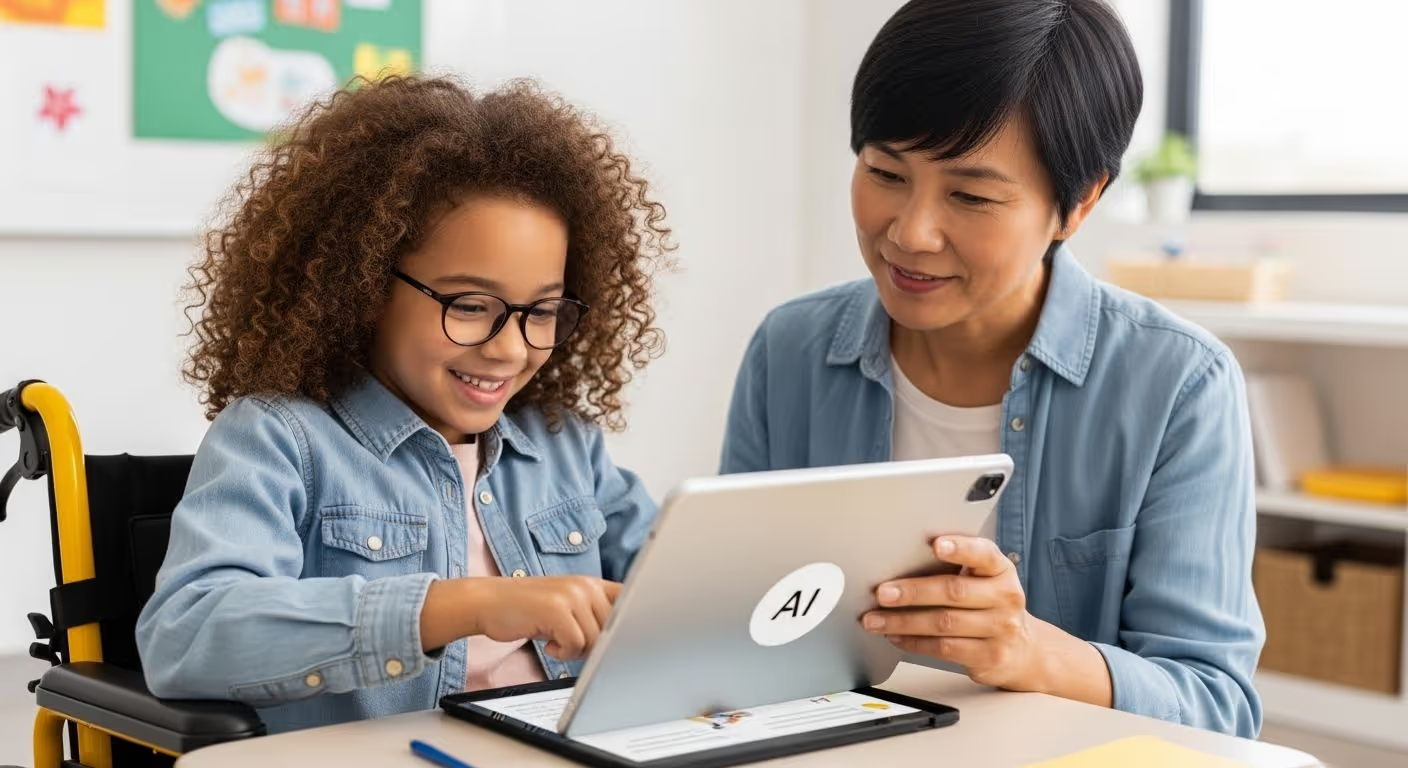

Did you know that by 2025, 87% of educational institutions worldwide will integrate AI tools, transforming accessibility and equity for diverse learners? This article explores how AI agents in inclusive education are reshaping learning environments, drawing on global insights and proven strategies to empower educators and students. We'll delve into key benefits, challenges, and forward-thinking solutions, positioning us at UNOWA as your partner in educational transformation.
The Rise of AI Agents in Inclusive Education
AI agents in inclusive education are intelligent systems that adapt to individual needs, making learning accessible for all. From speech-to-text tools to predictive analytics, these agents personalize education, especially for students with disabilities. According to recent data, students using AI-driven platforms score on average 12.4% higher than those in traditional settings, thanks to hyper-personalized instruction Enrollify: AI in Education Statistics.
At UNOWA, we integrate these technologies into our MIKKO inclusive education system, ensuring every child — regardless of abilities — can thrive. Our solutions, backed by over 15 years of experience, align with national standards and promote equity.
Key Benefits for Diverse Learners
AI agents in inclusive education offer transformative advantages, fostering personalization and accessibility:
- Personalized Learning Paths: AI adapts content to individual styles, supporting students with dyslexia or visual impairments through tools like real-time captioning Emitrr: How AI Agents Are Transforming Education Sector.
- 24/7 Support: Multimodal features provide continuous assistance, including audio translations for language barriers.
- Teacher Efficiency: By automating grading and tracking, AI frees educators to focus on mentorship, saving significant time SaM Solutions: AI Agents for Education.
- Predictive Interventions: Analyzing data to spot at-risk students enables early support, closing equity gaps.
We empower institutions with these capabilities through our adaptable systems, creating inclusive environments that inspire growth.
Addressing Challenges and Ensuring Equity
While promising, AI agents in inclusive education face hurdles like bias and privacy concerns. Experts note that without proper safeguards, AI could reinforce inequalities OECD: The Potential Impact of Artificial Intelligence on Equity and Inclusion in Education.
UNESCO's 2024 guidelines emphasize ethical AI use, focusing on transparency and fairness to support inclusivity. At UNOWA, we prioritize bias mitigation and data privacy in our tools, ensuring equitable access across regions like the EU, MENA, and CIS.
As one expert states, “AI’s ability to tailor content and support different learning modalities is transforming special education, creating more equitable experiences across the board” Emitrr: How AI Agents Are Transforming Education Sector.
Proven Strategies from Global Projects
Drawing from international reforms, successful integration of AI agents in inclusive education involves:
- Teacher Training: Ongoing professional development to maximize AI's potential.
- Infrastructure Investment: Ensuring access in underserved areas.
- Policy Alignment: Adhering to OECD guidelines for bias audits and inclusivity.
Our work in over 300 national projects demonstrates these strategies in action, from Bulgaria to Saudi Arabia. Visit UNOWA to explore how we can adapt our solutions for your needs.
FAQ
What are AI agents in inclusive education? AI agents are intelligent tools that personalize learning, support accessibility, and enhance equity for all students, including those with special needs.
How do AI agents benefit teachers? They automate administrative tasks, provide real-time insights, and allow more focus on student engagement, boosting efficiency by up to significant time savings SaM Solutions: AI Agents for Education.
What challenges do AI agents pose in education? Key issues include algorithmic bias, data privacy, and equitable access, addressed through guidelines like those from UNESCO and OECD.
How can UNOWA help implement AI in inclusive education? We offer tailored systems like MIKKO, with training and analytics. Contact us at UNOWA for a consultation.
Are there regulations for AI in education? Yes, frameworks from UNESCO (2024) and OECD (2023) guide ethical, inclusive use to ensure fairness and accessibility.

Check out other articles
Explore the latest perspectives from our digital research team

Equipping 439 schools: what a national STEM rollout actually takes
Armenia aims to equip every school with a science laboratory by the end of 2026. A look at the delivery layer of a 439-school rollout: seven laboratory configurations, 1.8 million items, 200+ localised teaching materials — and what ministries should ask suppliers.

Responsible AI in Education Starts Before the Algorithm
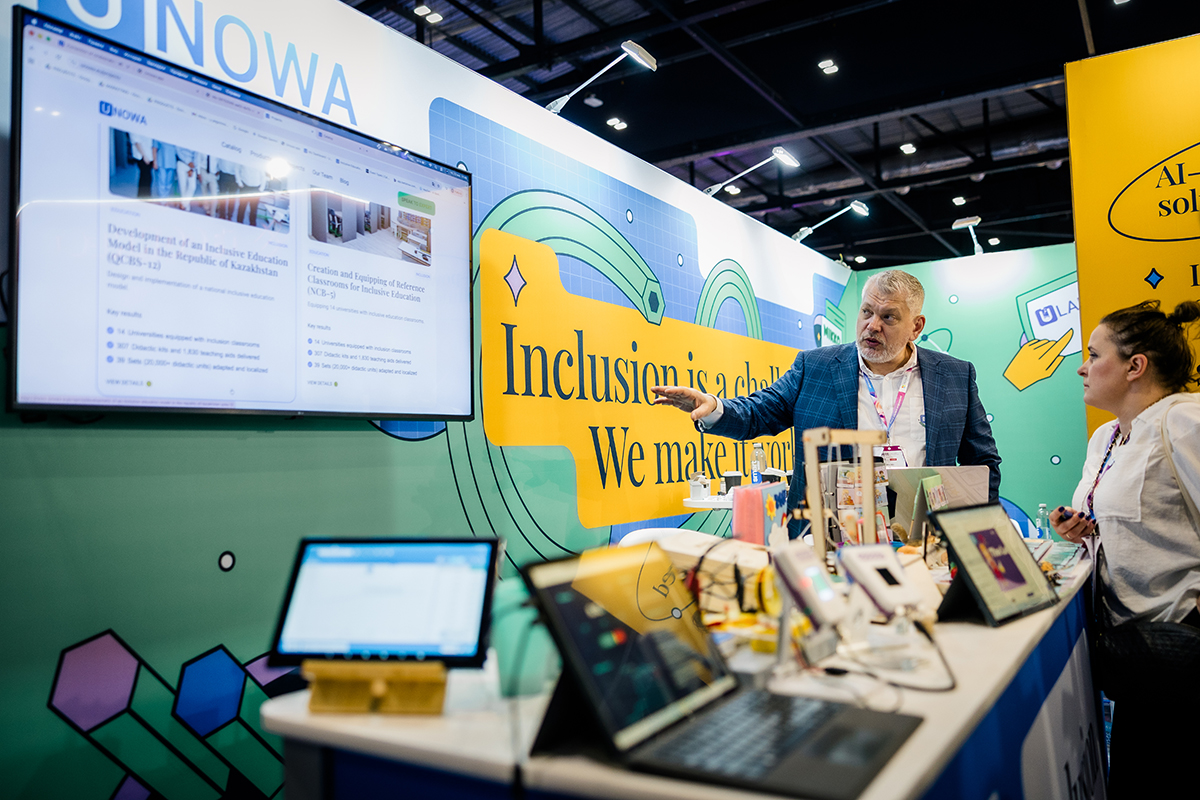
Responsible AI in education depends on knowing what your data actually represents. A UNOWA pilot study shows why measurement validity has to come before AI interpretation.
Differentiated Support in Inclusive Education: Why a Score Is Only the Start
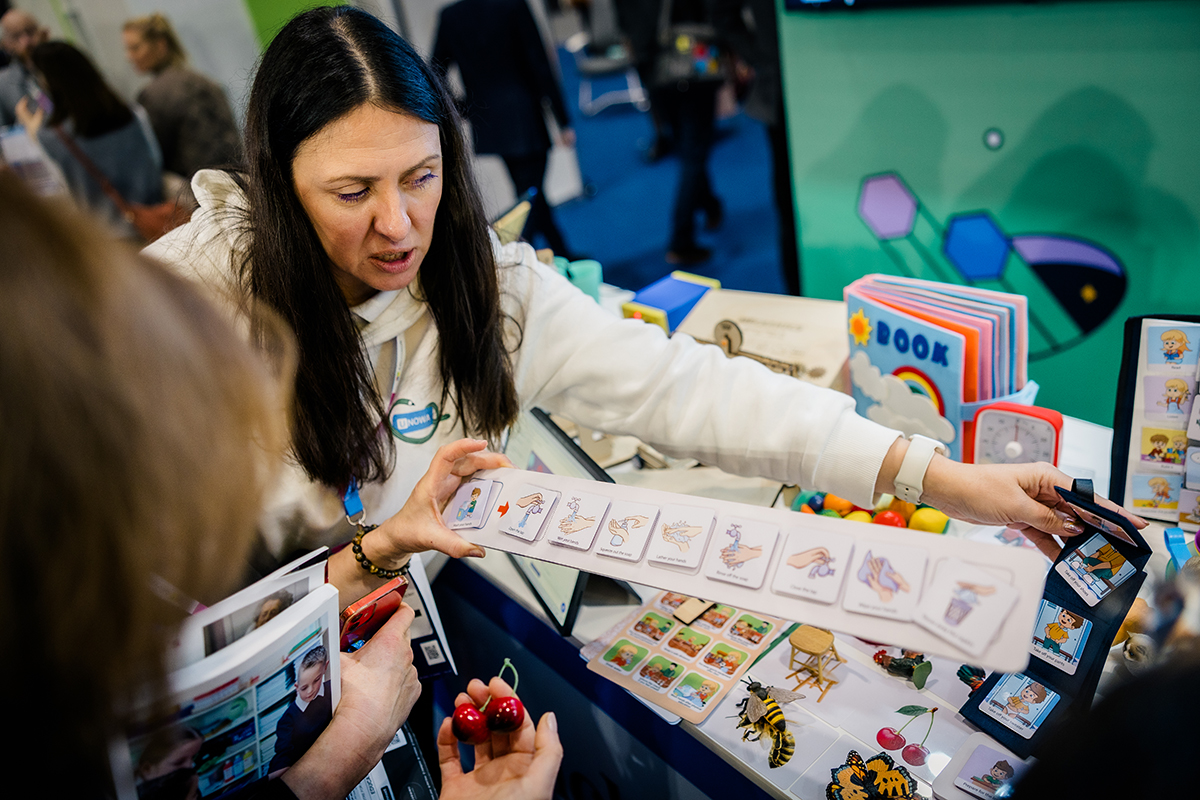
Differentiated support in inclusive education starts where scoring ends. Here's why assessment should answer "what's getting in the way," not just "what's wrong."