Did you know that STEM jobs are projected to grow by 10.4% between 2023 and 2033, outpacing non-STEM roles by nearly three times, yet a global skills gap could leave millions of positions unfilled? This article explores adapting STEM content to create inclusive, locally relevant, and future-ready education, drawing on global insights and strategies to empower institutions and educators. We'll delve into challenges, proven approaches, and how we at UNOWA are leading this transformation.
The Urgency of Adapting STEM Content
In today's rapidly evolving world, adapting STEM content isn't just an option — it's essential for preparing students for tomorrow's workforce. According to the U.S. Bureau of Labor Statistics, the demand for STEM professionals is surging, with a potential shortfall of 2 million jobs in the U.S. alone by 2025. Globally, disparities persist, particularly for underrepresented groups like Black and Indigenous students, where degree completion rates lag despite overall progress in STEM education.
We recognize these challenges and offer solutions through our innovative products, such as Ulabs for STEM innovation and MIKKO for inclusive education. By tailoring content to national standards in regions like the EU, MENA, and CIS, we ensure curricula are culturally relevant and accessible.
Key Challenges in Adapting STEM Content
Adapting STEM content faces several hurdles, including teacher shortages and the digital divide. Recent data reveals that 81% of educators worldwide lack adequate training, and only 15% have sufficient funding for STEM initiatives, as highlighted by UNESCO reports.
In the EU countries we serve — such as Bulgaria, Poland, and Estonia — structural inequalities and outdated curricula exacerbate these issues. Similarly, in MENA nations like Saudi Arabia and the UAE, economic diversification goals under Vision 2030 demand rapid adaptation, while CIS regions like Kazakhstan and Uzbekistan grapple with modernizing teacher pipelines.
Common challenges include:
- Persistent teacher shortages, with over 411,000 positions affected in the U.S. alone in 2024–2025.
- Declining proficiency in key areas due to inadequate resources.
- Widening gaps for students with disabilities or from low socioeconomic backgrounds.
Proven Strategies for Adapting STEM Content
Drawing from global reform projects, successful strategies for adapting STEM content emphasize inclusivity and local relevance. The European Commission's Digital Education Action Plan (2021–2027) promotes digital literacy and STEM integration, inspiring our work in Latvia, Lithuania, and Serbia.
Expert insights reinforce this: Dr. Haider Ali Bhatti, a National Science Foundation postdoctoral fellow, states, “Degree counts alone are insufficient; we must also ask whether graduates are succeeding in the jobs of today and tomorrow.”
Here are proven approaches we've implemented in over 300 national projects:
- Early integration: Start STEM curricula in primary schools, as seen in Estonia's digital-first model.
- Teacher empowerment: Provide high-quality training and professional development to build capacity.
- Partnerships: Collaborate with industry for internships and project-based learning, aligning with Qatar's and Oman's reforms.
- Data-driven monitoring: Use analytics to track outcomes by gender, race, and disability, ensuring equitable access.
- Cultural adaptation: Tailor content to local contexts, like incorporating regional problem-solving in Uzbekistan and Armenia.
Through our UNOWA analytics and curriculum-aligned tools, we make these strategies scalable for schools, kindergartens, and special education centers.
Global Case Studies and Insights
Real-world examples showcase the impact of adapting STEM content. In the UAE, the Emirates STEM initiative has boosted female participation by 30% since 2020, per UNESCO data. India's Tamil Nadu Free Laptop Scheme distributed over 5 million devices, improving math proficiency among disadvantaged students — a model we adapt for emerging markets.
In our projects across Moldova, Azerbaijan, and Kyrgyzstan, we've seen similar successes by embedding green skills and digital tools, fostering economic competitiveness and social equity.
Positioning for Future-Ready Education
As a leader with over 15 years of experience, we at UNOWA are committed to transforming learning through innovative, inclusive solutions. By adapting STEM content to national standards, we empower educators to bridge skills gaps and inspire the next generation.
Ready to adapt your STEM programs? Contact us for a consultation and let's build a brighter future together.
FAQ
What is adapting STEM content? Adapting STEM content involves customizing science, technology, engineering, and math curricula to fit local cultures, inclusivity needs, and future job demands, ensuring relevance and accessibility.
Why is adapting STEM content important for inclusive education? It addresses disparities for underrepresented groups, as emphasized by policies like the EU's Digital Education Action Plan, promoting equity in regions like Bulgaria and Saudi Arabia.
How can institutions start adapting STEM content? Begin with teacher training, partnerships, and tools like our Ulabs platform — backed by strategies from OECD guidelines for long-term impact.
What role does technology play in adapting STEM content? Technology enables digital integration and analytics, closing the divide noted in global reports, with investments like the U.S. Department of Education's $540 million in STEM funding.
How does UNOWA support adapting STEM content? We provide complete systems, including curriculum-aligned content and training, tailored for EU, MENA, and CIS markets — visit UNOWA to learn more.

Check out other articles
Explore the latest perspectives from our digital research team
Equipping 439 schools: what a national STEM rollout actually takes
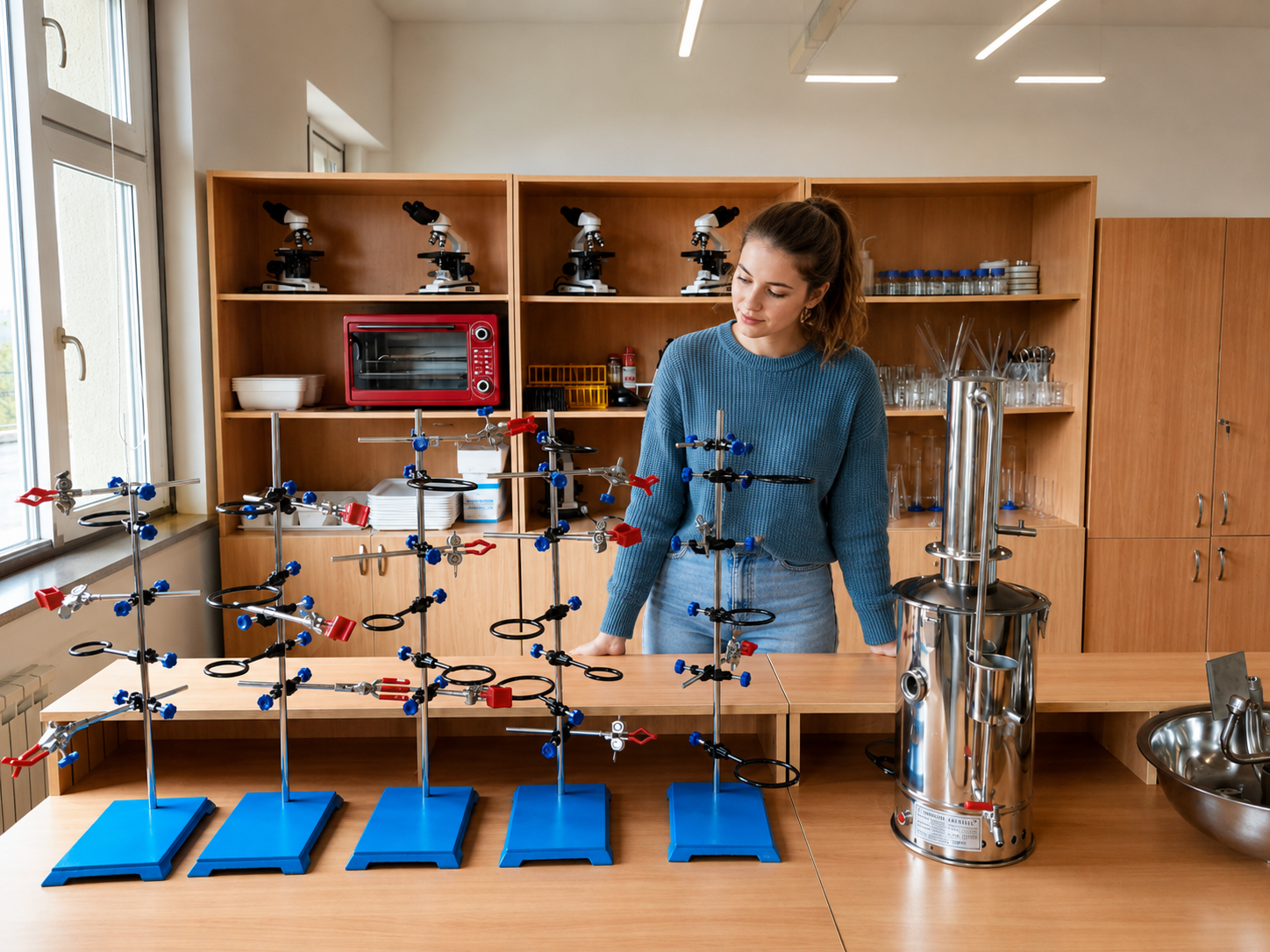
Armenia aims to equip every school with a science laboratory by the end of 2026. A look at the delivery layer of a 439-school rollout: seven laboratory configurations, 1.8 million items, 200+ localised teaching materials — and what ministries should ask suppliers.

Responsible AI in Education Starts Before the Algorithm
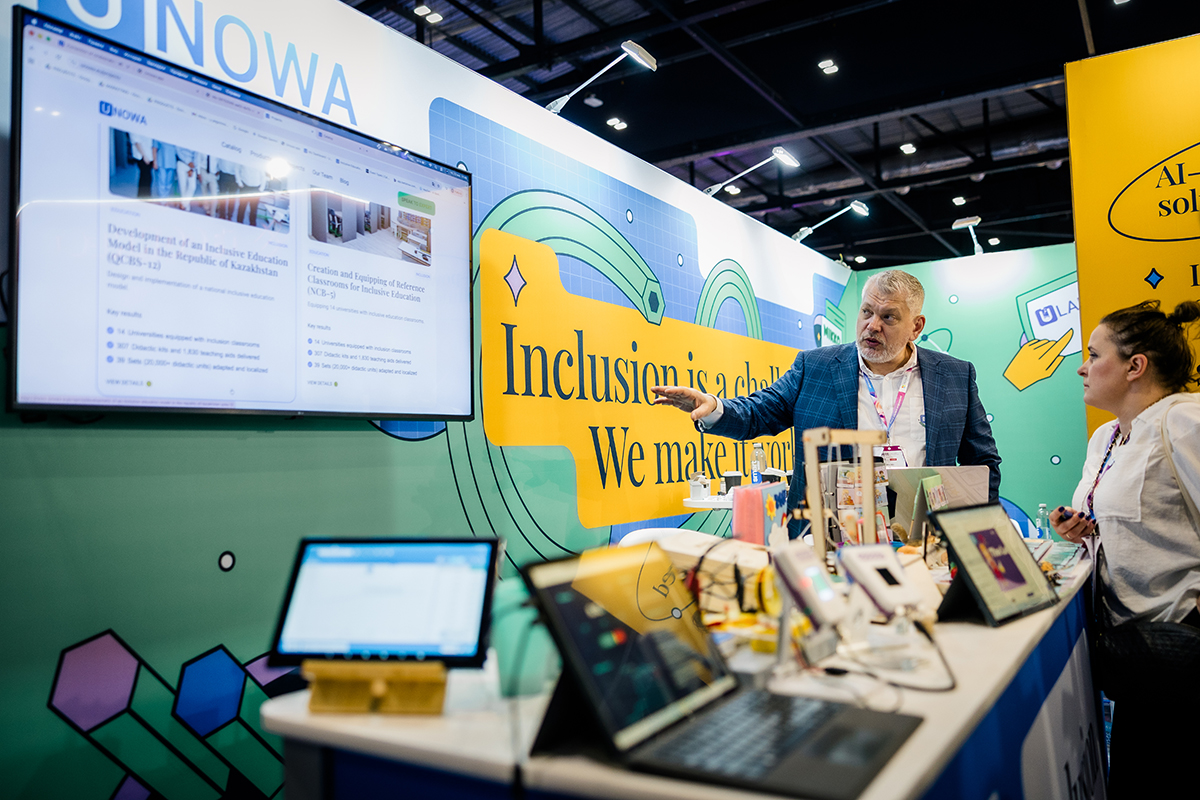
Responsible AI in education depends on knowing what your data actually represents. A UNOWA pilot study shows why measurement validity has to come before AI interpretation.
Differentiated Support in Inclusive Education: Why a Score Is Only the Start
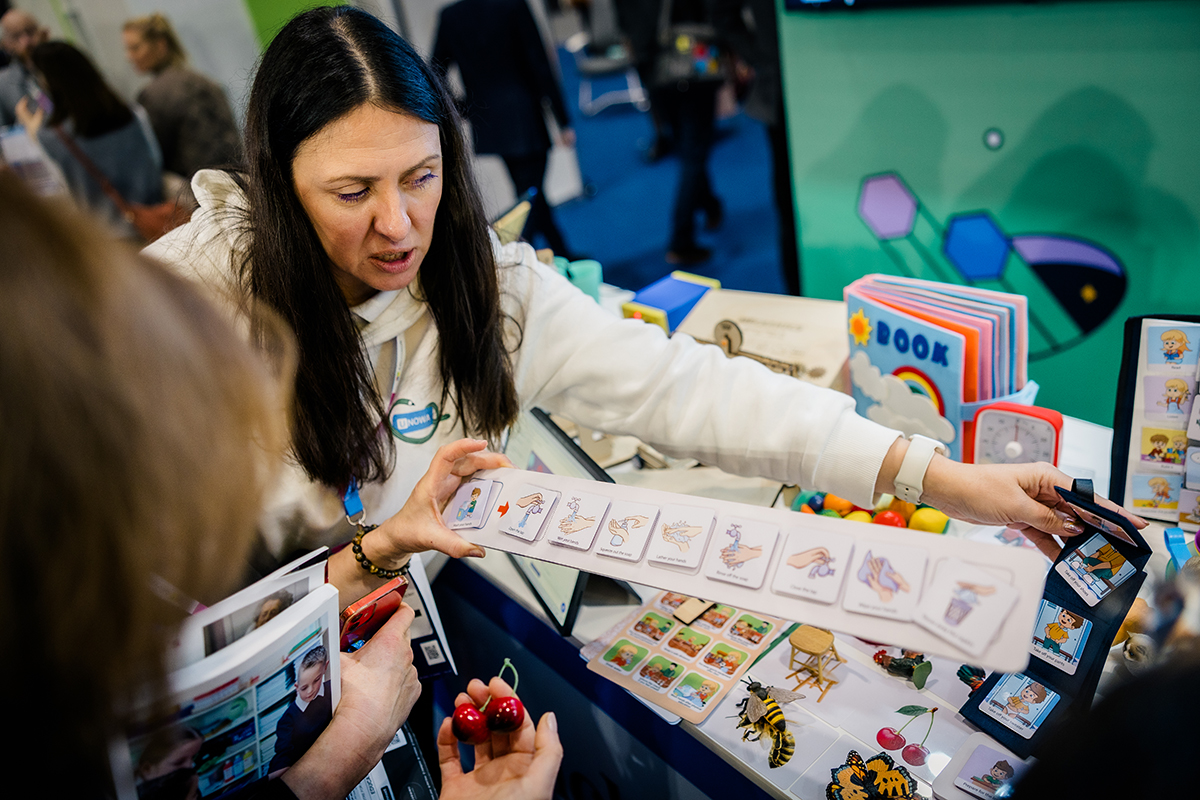
Differentiated support in inclusive education starts where scoring ends. Here's why assessment should answer "what's getting in the way," not just "what's wrong."