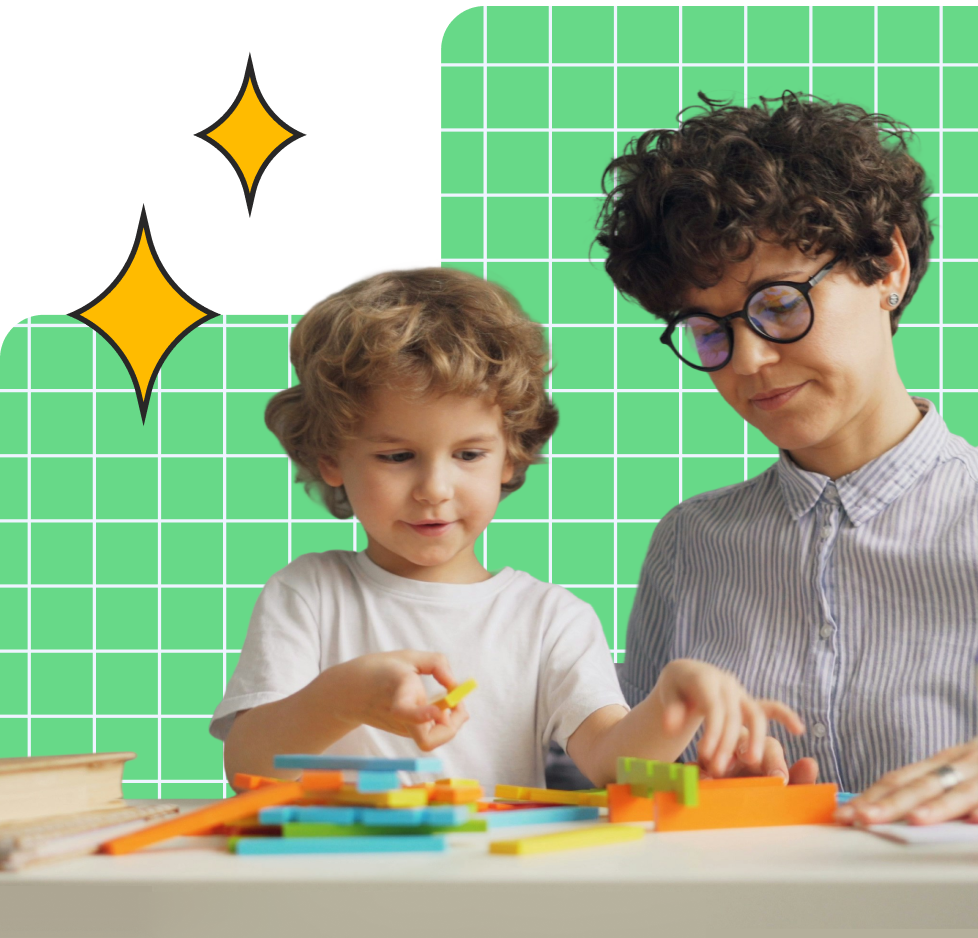
Imagine a classroom where students don't just memorize facts but solve real-world problems collaboratively — that's the power of 21st century teaching skills. In this article, we'll explore essential competencies for modern educators, global trends, implementation challenges, and proven strategies, drawing from international insights to empower institutions in the EU, MENA, and CIS regions. By aligning with inclusive, adaptable education, we at UNOWA help transform learning experiences — discover how below.
Core Elements of 21st Century Teaching Skills
21st century teaching skills go beyond traditional methods, focusing on fostering critical thinking, creativity, collaboration, and digital literacy in students. According to the OECD's Education 2030 framework, these competencies prepare learners for complex societies and tech-driven job markets.
Key components include:
- Critical thinking and problem-solving: Encouraging inquiry-based learning over rote memorization.
- Collaboration and communication: Structuring group tasks and peer feedback for diverse teamwork.
- Digital literacy: Teaching ethical use of tools, data evaluation, and online safety.
- Adaptability and self-regulation: Building resilience amid rapid technological changes.
With over 15 years of experience, we empower educators through innovative tools like our MIKKO inclusive education system and Ulabs STEM labs, adaptable to national standards in regions like Bulgaria, Saudi Arabia, and Kazakhstan. For more on our solutions, visit UNOWA.
Global Trends and Regional Insights
Education reforms worldwide are embedding 21st century teaching skills into curricula, with a focus on STEM innovation and inclusivity. A UNESCO report highlights that 70% of countries have updated teacher standards to include digital competencies since 2020.
In the EU (e.g., Poland and Latvia), emphasis is on green skills and digital education, aligning with the European Commission's Digital Education Action Plan. MENA nations like the UAE and Qatar prioritize entrepreneurship to combat youth unemployment, as noted in World Bank analyses. In CIS countries such as Uzbekistan and Georgia, reforms balance traditional content with competency-based approaches, per OECD reviews.
Expert quote: "Teachers must be designers of learning, not just deliverers of content," says Andreas Schleicher, OECD Director for Education (source).
We support these trends with curriculum-aligned content and analytics, helping ministries and schools in emerging markets achieve large-scale impact.
Challenges in Implementing 21st Century Teaching Skills
Despite consensus, barriers persist. Curriculum overload affects 60% of teachers globally, limiting deep integration of skills, per UNESCO data. High-stakes exams often favor recall, discouraging innovation, while insufficient training leaves many educators unprepared — only 40% report adequate digital pedagogy support.
In inclusive settings, challenges include equitable access for students with disabilities. Our compassionate approach addresses this through SEN materials and training, ensuring every child thrives.
Proven Strategies for Success
Effective professional development is key. Research shows programs with active learning and collaboration boost adoption of 21st century teaching skills by 25% (Brookings Institution study).
Strategies include:
- Professional learning communities: Fostering peer observation and lesson study.
- Project-based learning: Integrating STEM with real-world problems via our Ulabs.
- Ongoing coaching: Linking training to classroom practice for sustained change.
- AI-informed pedagogy: Teaching ethical AI use to counter biases.
Drawing from 300+ national projects, we offer tailored solutions that position educators as forward-thinking leaders. Sign up for a consultation at UNOWA to get started.
FAQ
What are the most essential 21st century teaching skills? Core skills include critical thinking, collaboration, digital literacy, and adaptability, as outlined in global frameworks like those from UNESCO.
How can teachers overcome implementation challenges? Through targeted professional development, such as our training programs, which emphasize practical strategies and inclusive tools.
Why is inclusivity important in 21st century teaching? It ensures all students, including those with special needs, access quality education — aligning with our MIKKO system for equitable learning.
How does UNOWA support these skills? We provide adaptable educational systems, STEM innovation, and analytics to empower institutions worldwide. Learn more at UNOWA.
What's the role of digital tools in modern teaching? They enhance pedagogy, but teachers need training to integrate them ethically, addressing equity as per OECD guidelines.

Check out other articles
Explore the latest perspectives from our digital research team

Equipping 439 schools: what a national STEM rollout actually takes
Armenia aims to equip every school with a science laboratory by the end of 2026. A look at the delivery layer of a 439-school rollout: seven laboratory configurations, 1.8 million items, 200+ localised teaching materials — and what ministries should ask suppliers.

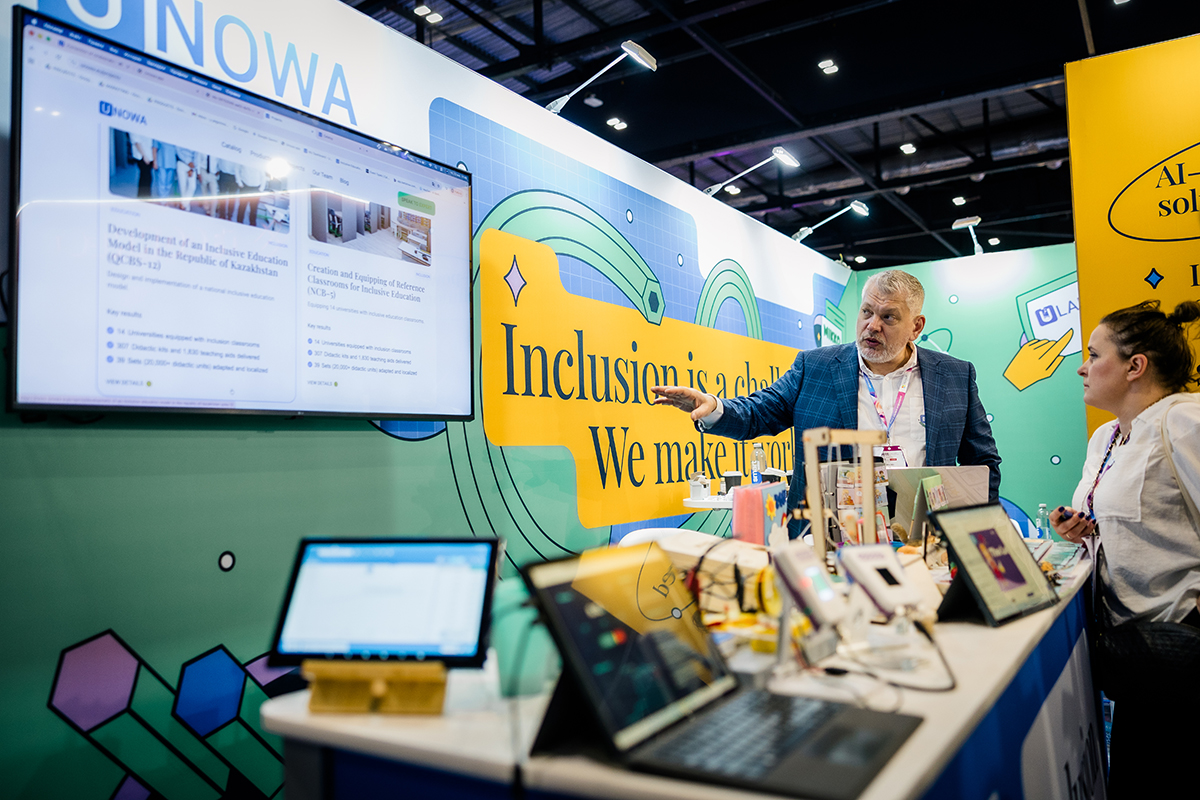
Responsible AI in Education Starts Before the Algorithm
Responsible AI in education depends on knowing what your data actually represents. A UNOWA pilot study shows why measurement validity has to come before AI interpretation.
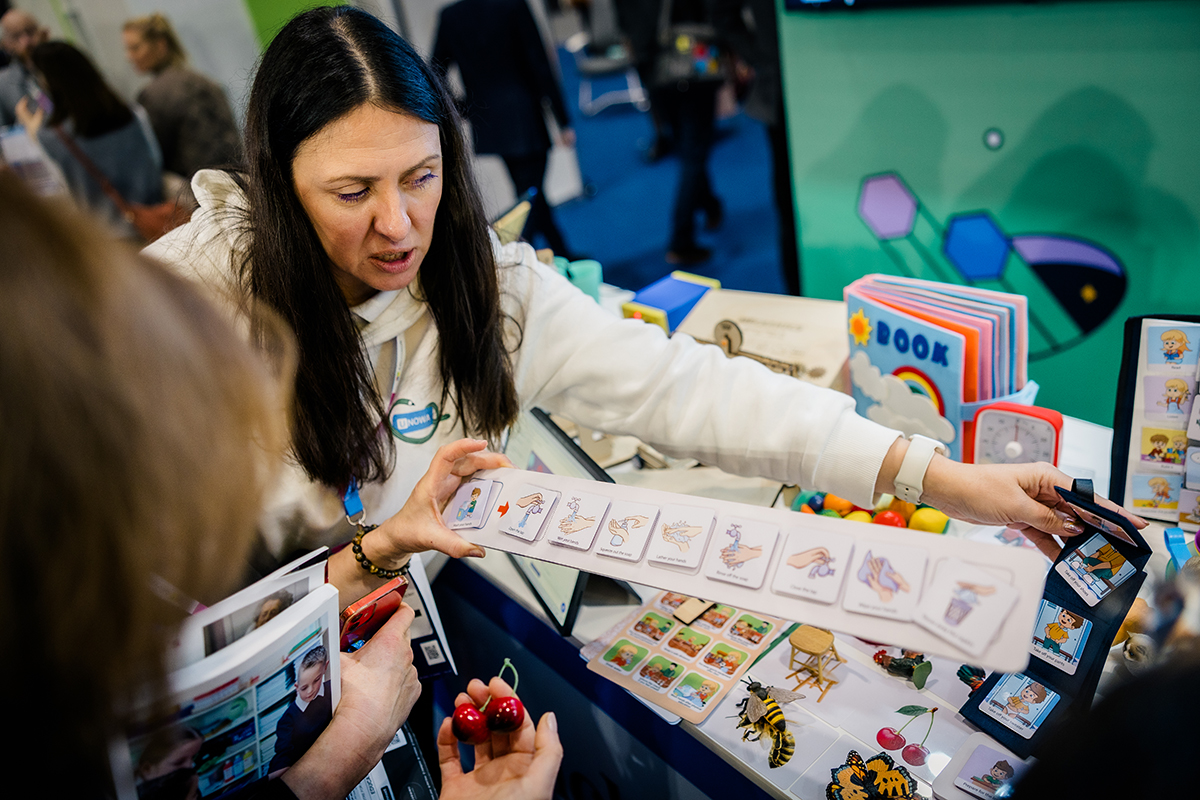
Differentiated Support in Inclusive Education: Why a Score Is Only the Start
Differentiated support in inclusive education starts where scoring ends. Here's why assessment should answer "what's getting in the way," not just "what's wrong."