 Speak to expert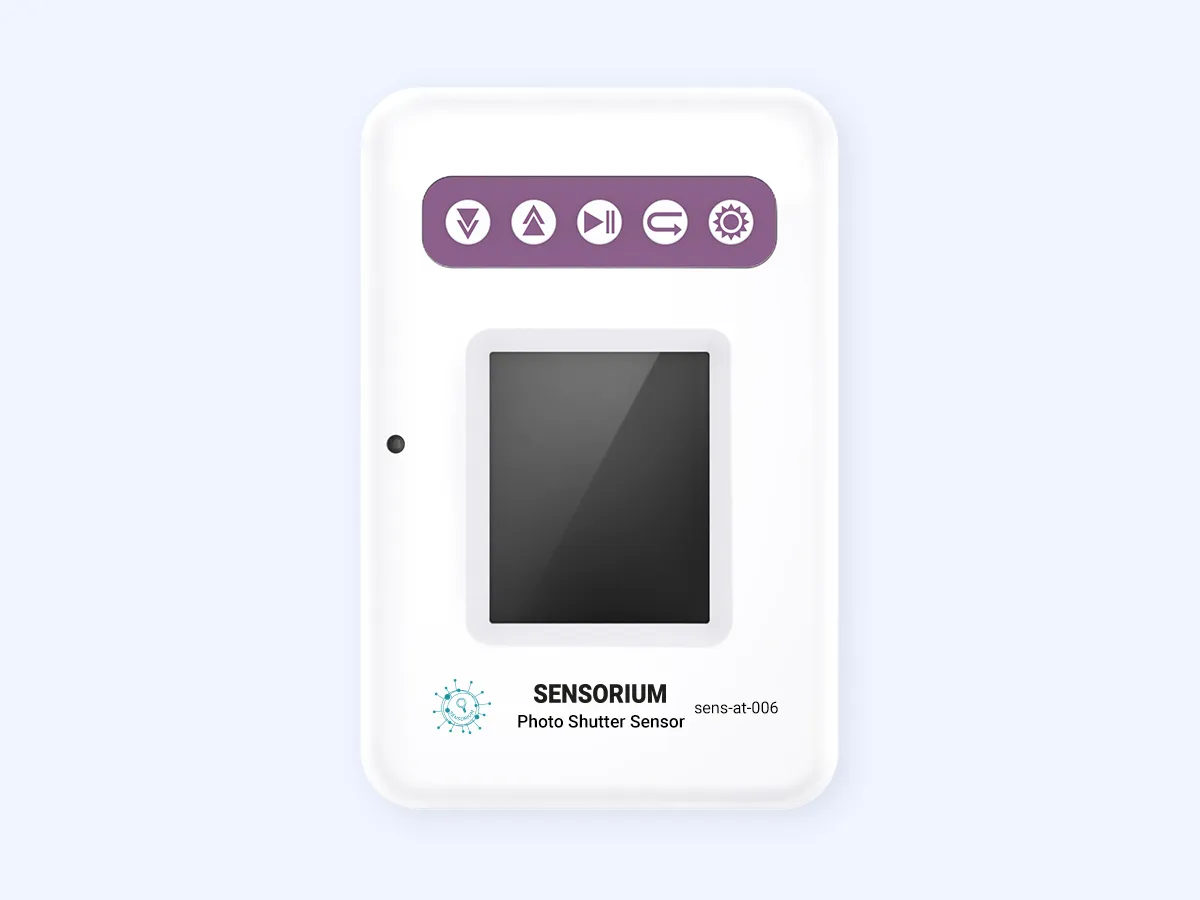


.png)

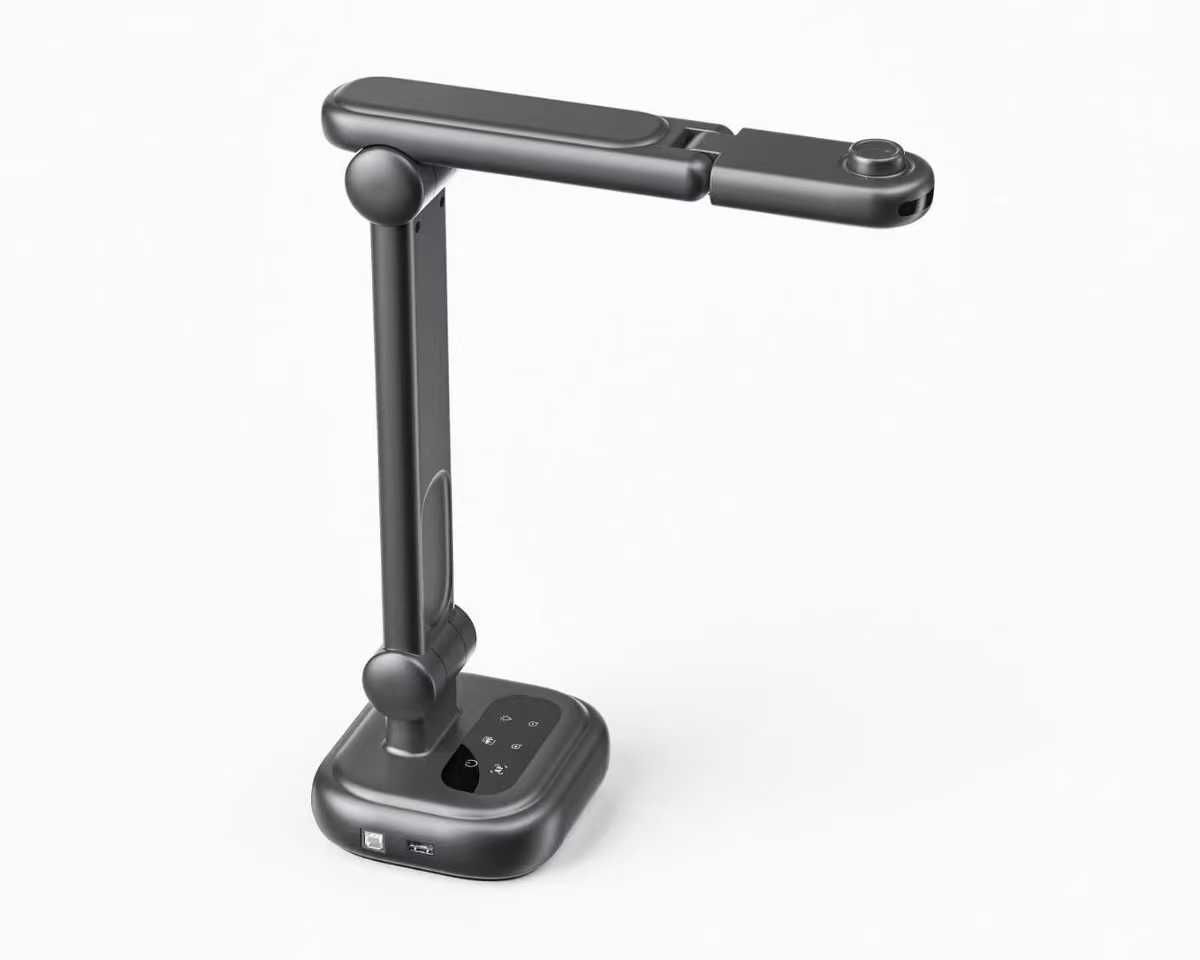
Infrared photogate sensor designed for precise timing in velocity, acceleration, and collision experiments.

The photogate, also known as a photoelectric switch, consists of an infrared transmitter and an infrared receiver. The transmitter emits infrared pulses at a specific frequency. When the receiver detects this signal, it outputs a high-level signal. If an external object (e.g., a light-blocking sheet) passes through the photogate and blocks the infrared pulses, preventing the receiver from detecting the signal, it outputs a low-level signal. The data collector calculates the time it takes for the object to pass through the photogate, thereby enabling accurate timing.
Range: 0–10 Kms, Resolution: 0.1 mS
The sensor features an integrated design with a Type-C interface, allowing reversible insertion (dual-sided insertion design) for enhanced convenience. It incorporates a high-frequency data processor and an embedded operating system, enabling independent wired or wireless experiments.
Built‑in AI functions open new possibilities for data analysis, automated processing of results, and the creation of interactive experiments.
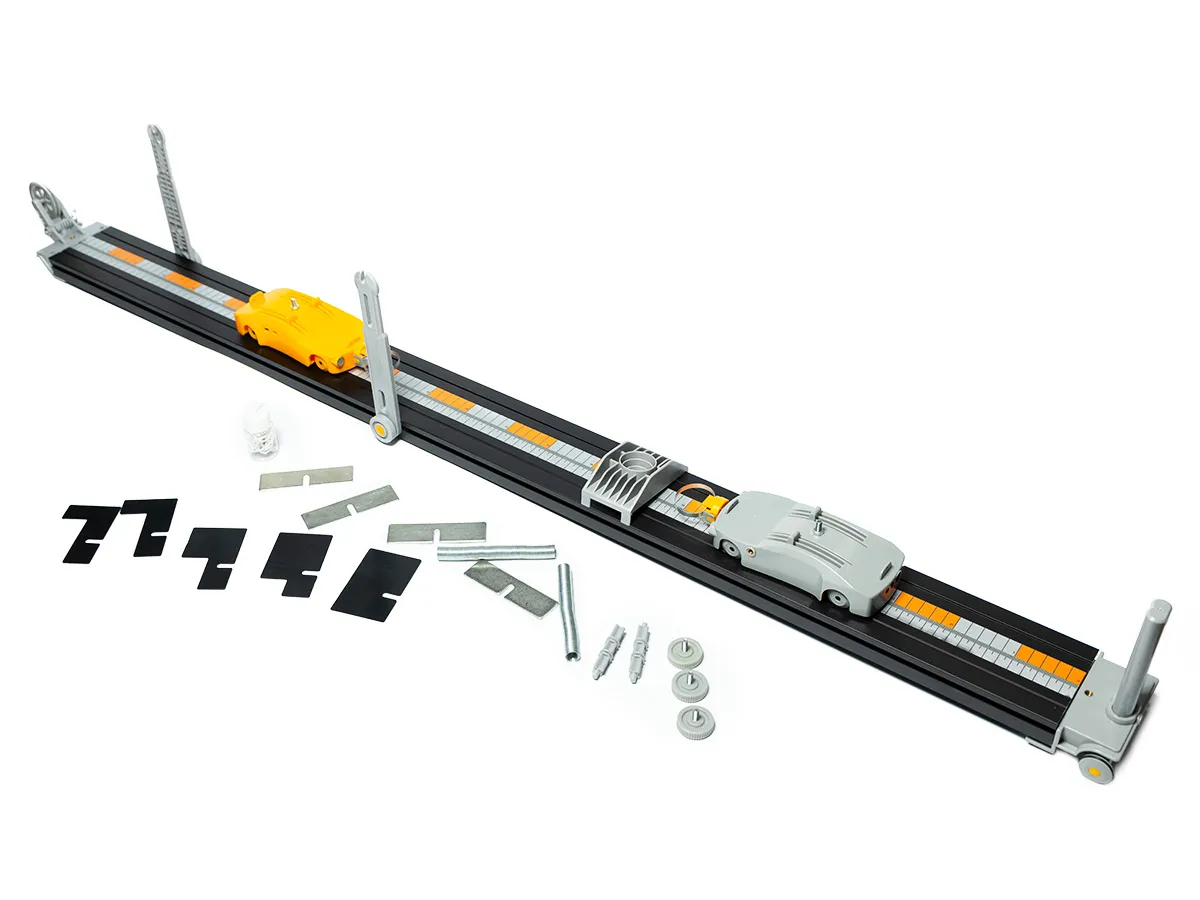
The photogate sensor is widely used in various physics experiments, including:
This product is suitable for educational purposes only and is not intended for industrial, medical, research, or commercial applications.
Wireless sensor with built‑in AI features that unlock new possibilities for data analysis and make experiments highly interactive.
Ideal for school laboratories, university courses, and STEM projects.
Built‑in AI functions open new possibilities for data analysis, automated processing of results, and the creation of interactive experiments.
What our clients are saying about us.




.avif)
.avif)


What our clients are saying about us.