 Speak to expert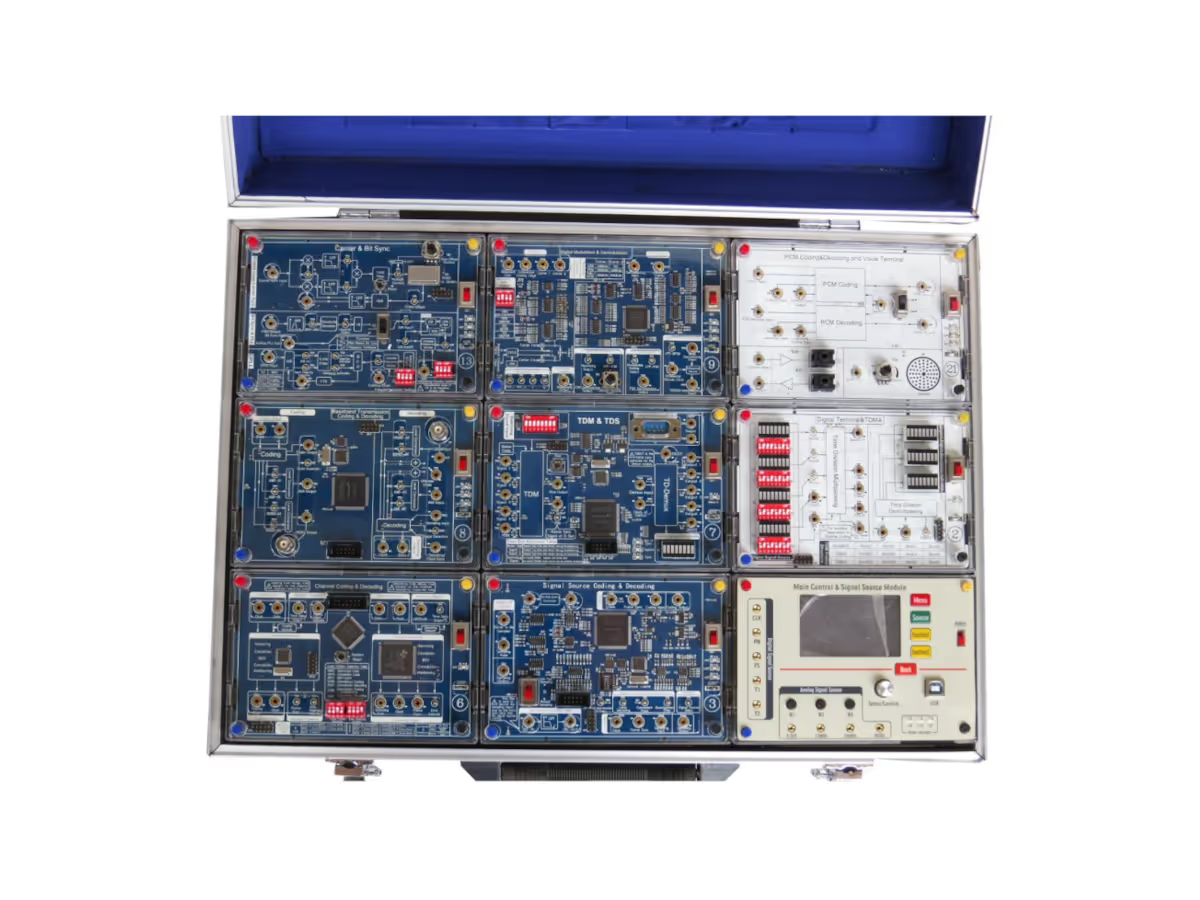


.png)



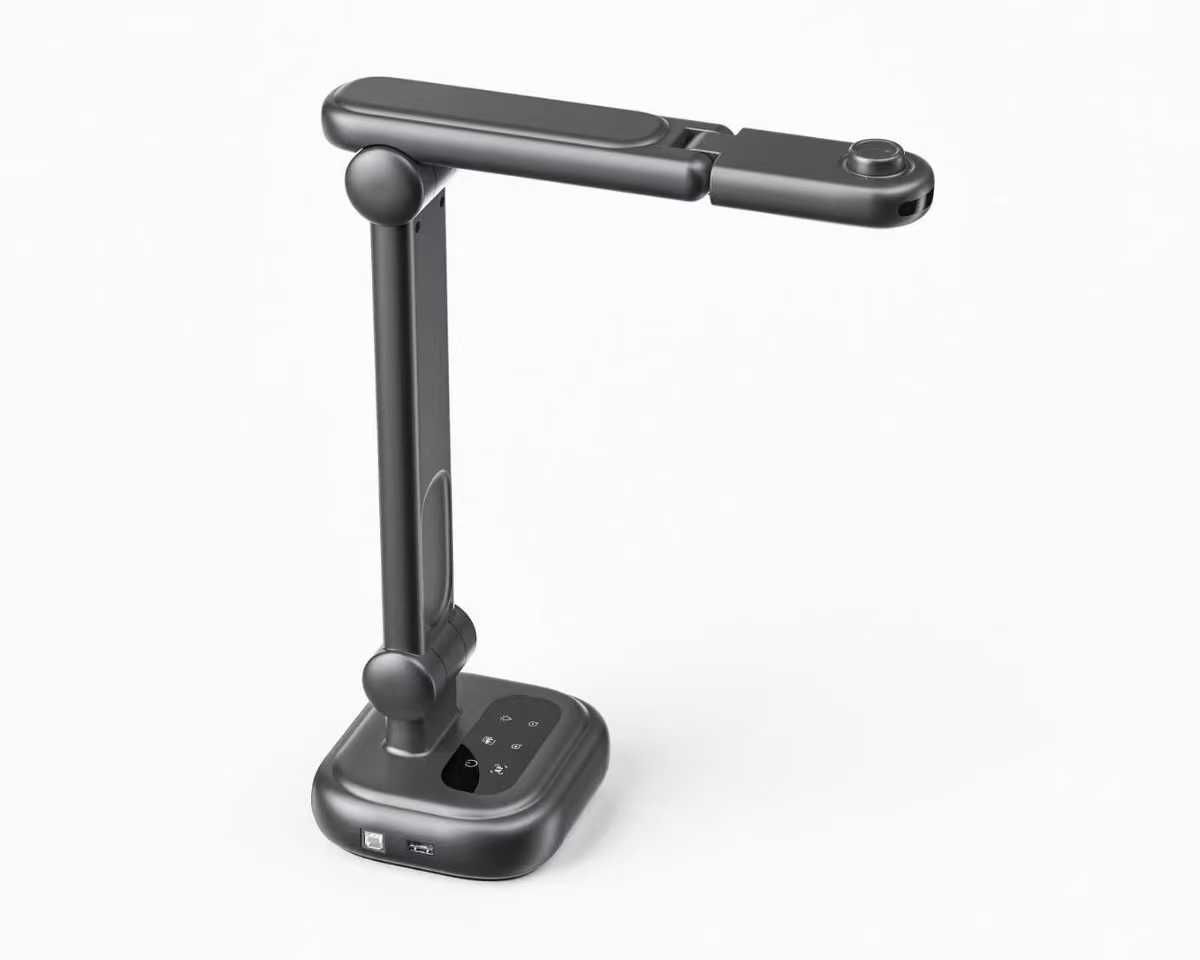
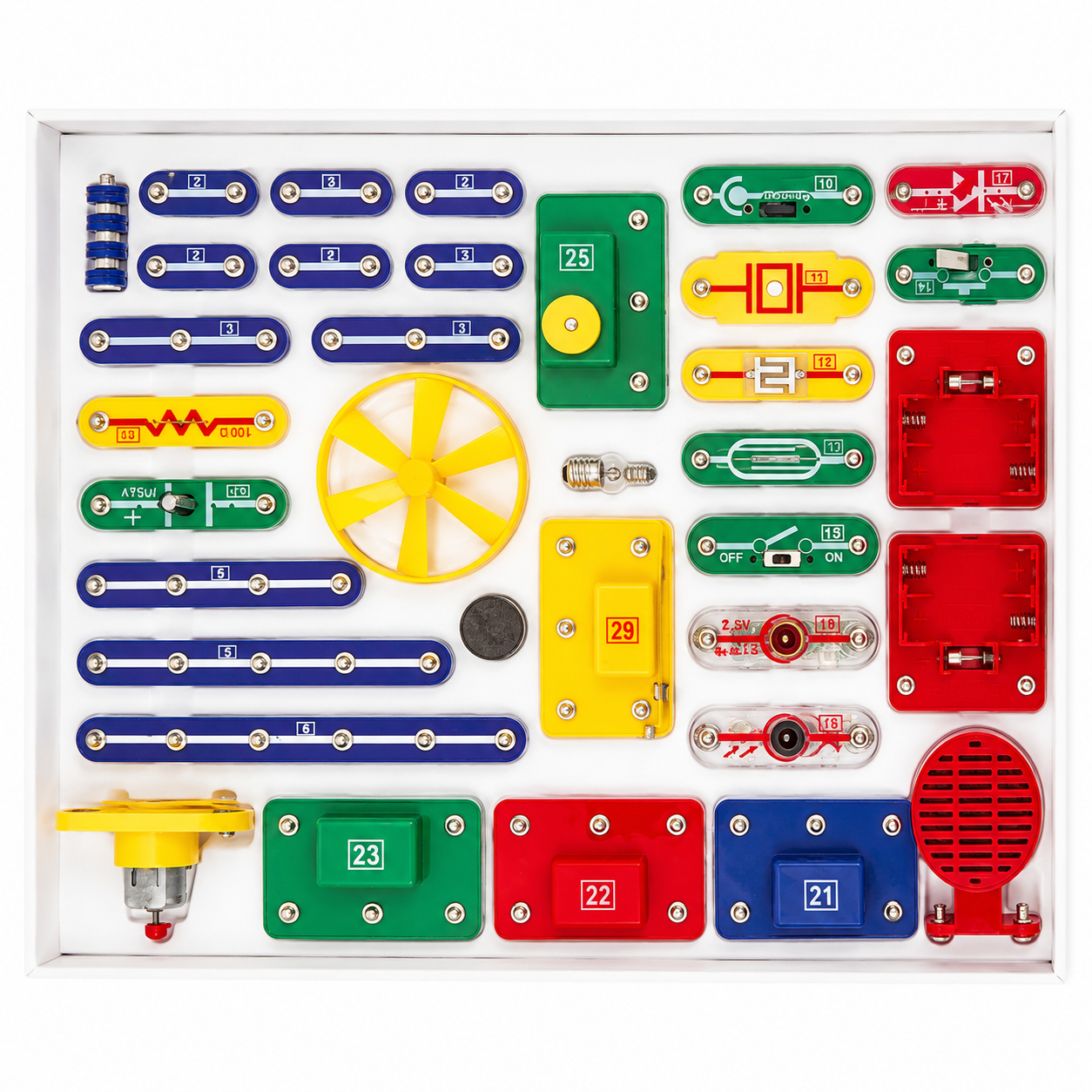


The laboratory stand "Telecommunication Networks Training Simulator" is designed to simulate modern telecommunication systems for educational purposes.

Supply voltage: 220 V
Dimensions: compact design for ease of use and storage
Power supply: standard laboratory power source (specifications depend on the specific module)
This comprehensive trainer provides students with practical experience in signal transmission, modulation, demodulation, and communication protocols. It deepens the understanding of telecommunication principles through hands-on experiments and a modular design. The experimental platform is built on a modular principle and includes standard and optional modules. Below is a description of the nine standard modules included in the platform, along with their functions and features.
The platform consists of standard and optional modules, allowing for flexible configuration and expansion of the system according to user needs.
Provides the opportunity to study and practice signal transmission methods used in modern telecommunication systems.
Provides practical experience with digital modulation and demodulation, including carrier and bit synchronization.
Allows for the investigation of various telecommunication protocols and their implementation in real-world systems.
Equipped with protective elements for safe operation when working with high-frequency signals and electrical components.
The main module and signal generator of the platform, providing stable signals for other modules.
Simulates the operation of digital terminals and TDMA technology, allowing for the study of time-based access methods.
Generates source-coded signals for transmission, helping to study coding and decoding processes.
Simulates channel coding methods, including error detection and correction, ensuring reliable data transmission.
Demonstrates TDM and switching technologies, providing insight into efficient ways of signal transmission.
Allows for the study of signal transmission methods in the baseband frequency range, including filtering and recovery.
Enables experiments with digital modulation (AM, FM, PM) and demodulation, providing practical insight into signal conversion.
Allows for the study of synchronization methods for transmitted and received signals, which are critical for maintaining communication integrity.
Simulates Pulse-Code Modulation (PCM) processes and voice terminal operation, allowing for the study of analog-to-digital conversion and voice processing.
Simulation and analysis of transmission through various channels (analog and digital).
Experiments with AM, FM, PM and their impact on signal quality.
Practicing demodulation skills to recover information.
Investigation of carrier and bit synchronization technologies.
Study of TDM and switching methods.
Practical experience in converting analog signals to digital.
Simulation of noise, interference, and signal attenuation.
Modulation and demodulation in software-defined radio systems.
Error-correction coding, interleaving, decoding, and de-interleaving.
The laboratory stand "Telecommunication Networks Training Simulator" is a new-generation educational equipment that combines real components and advanced simulation capabilities. Its robust frame, wide set of modules, and variety of functional possibilities make it an indispensable solution for teaching and learning modern telecommunication technologies and signal processing methods.
What our clients are saying about us.




.avif)
.avif)


What our clients are saying about us.