 Speak to expert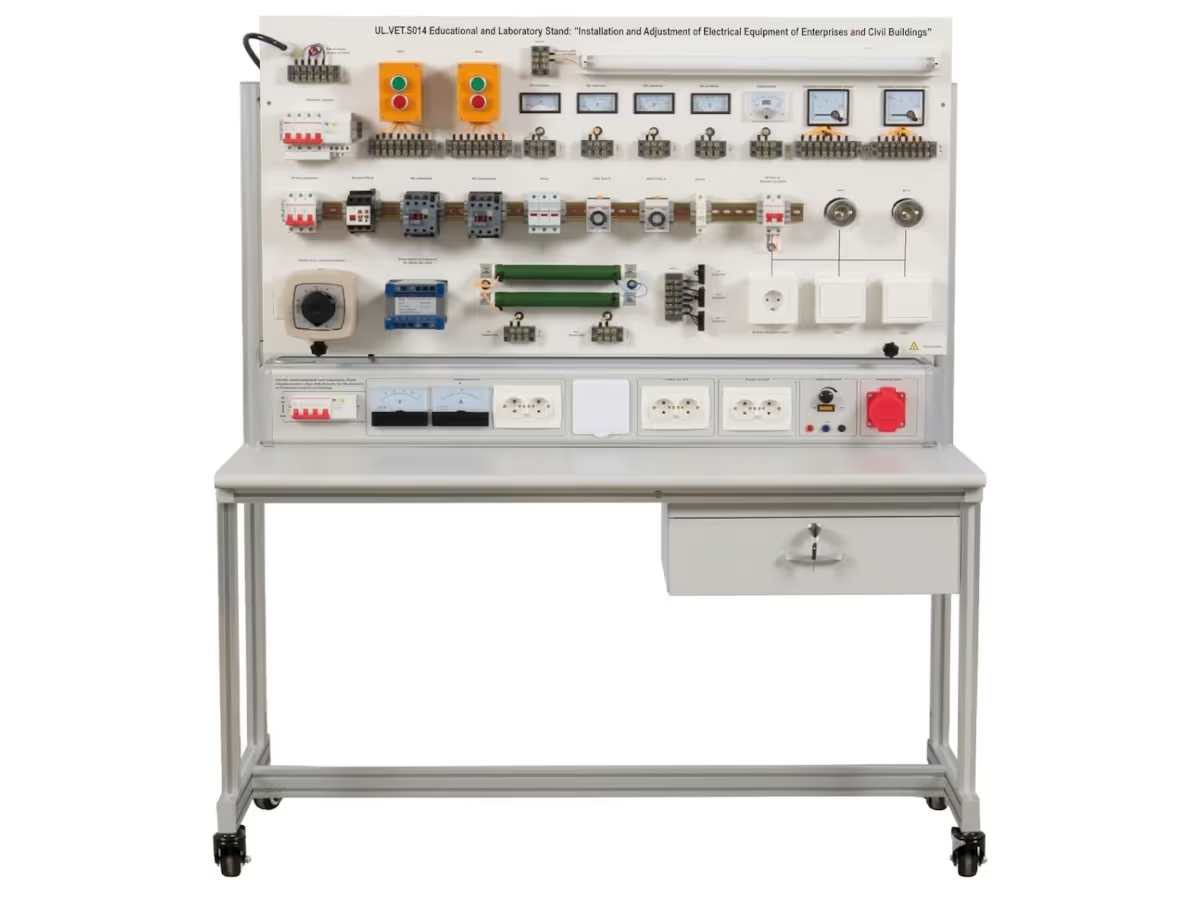

.png)

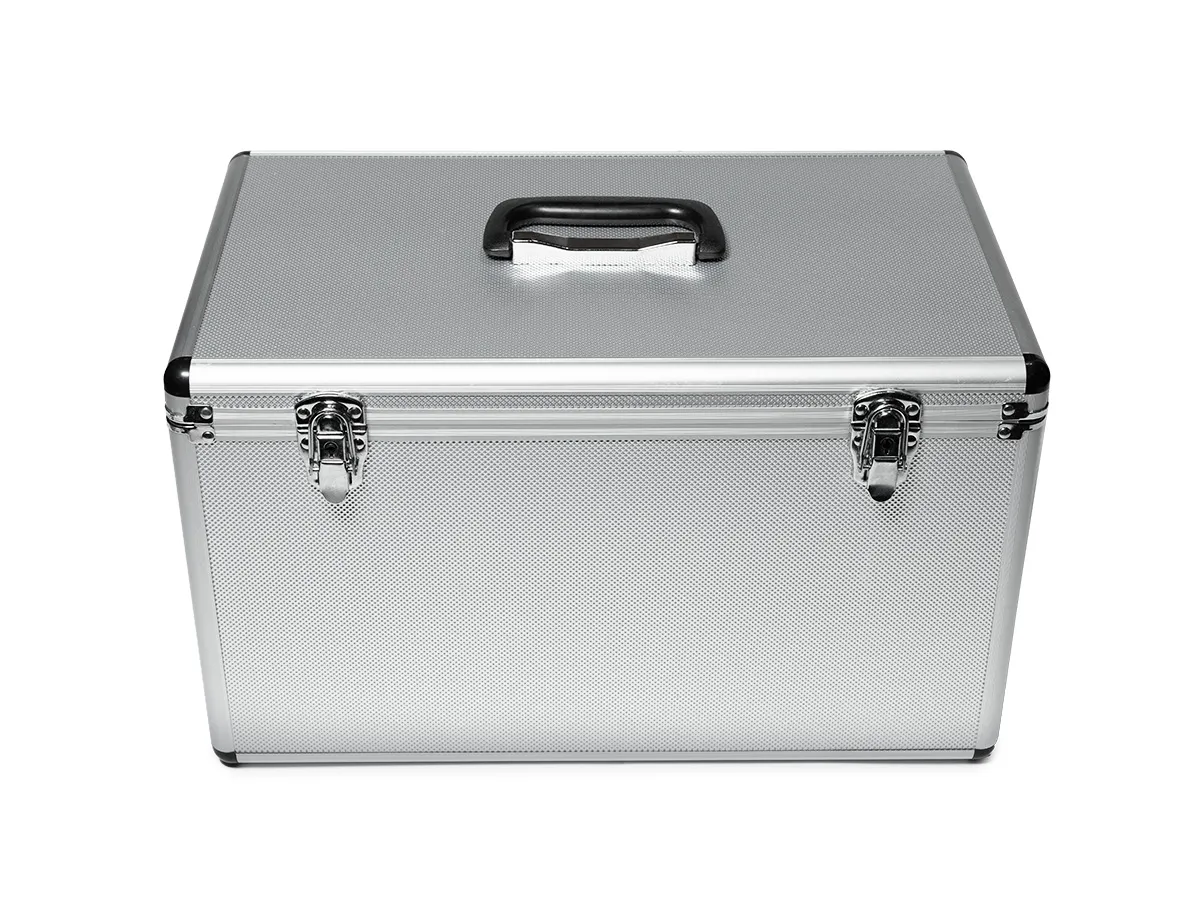
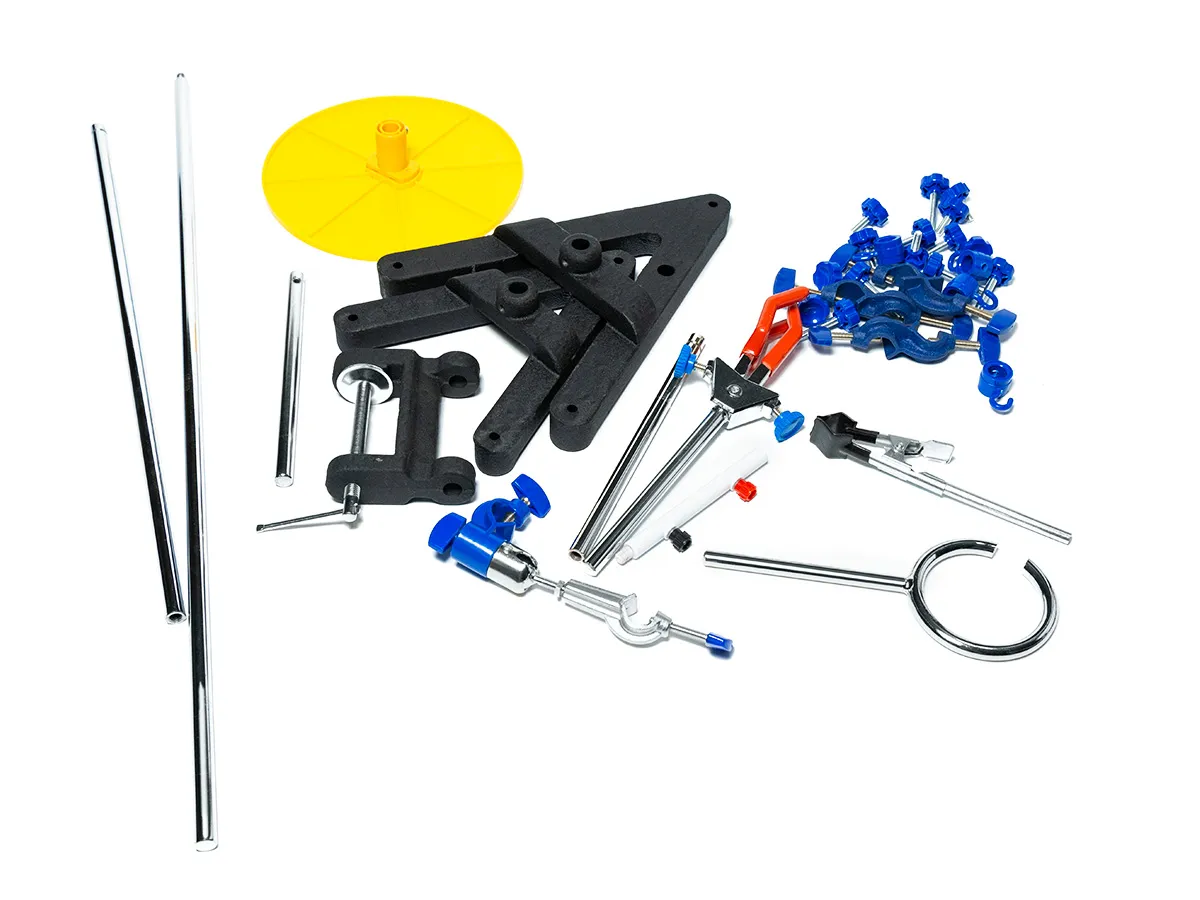
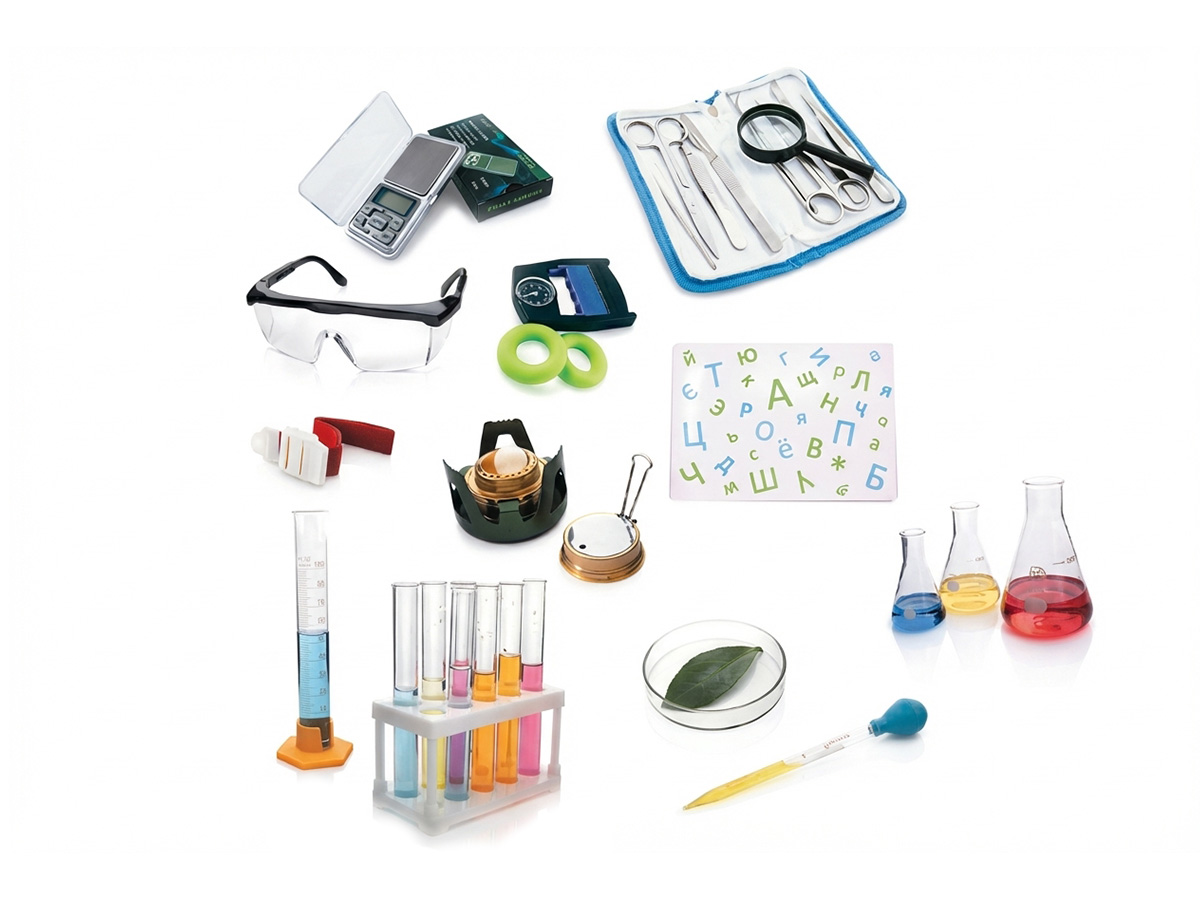
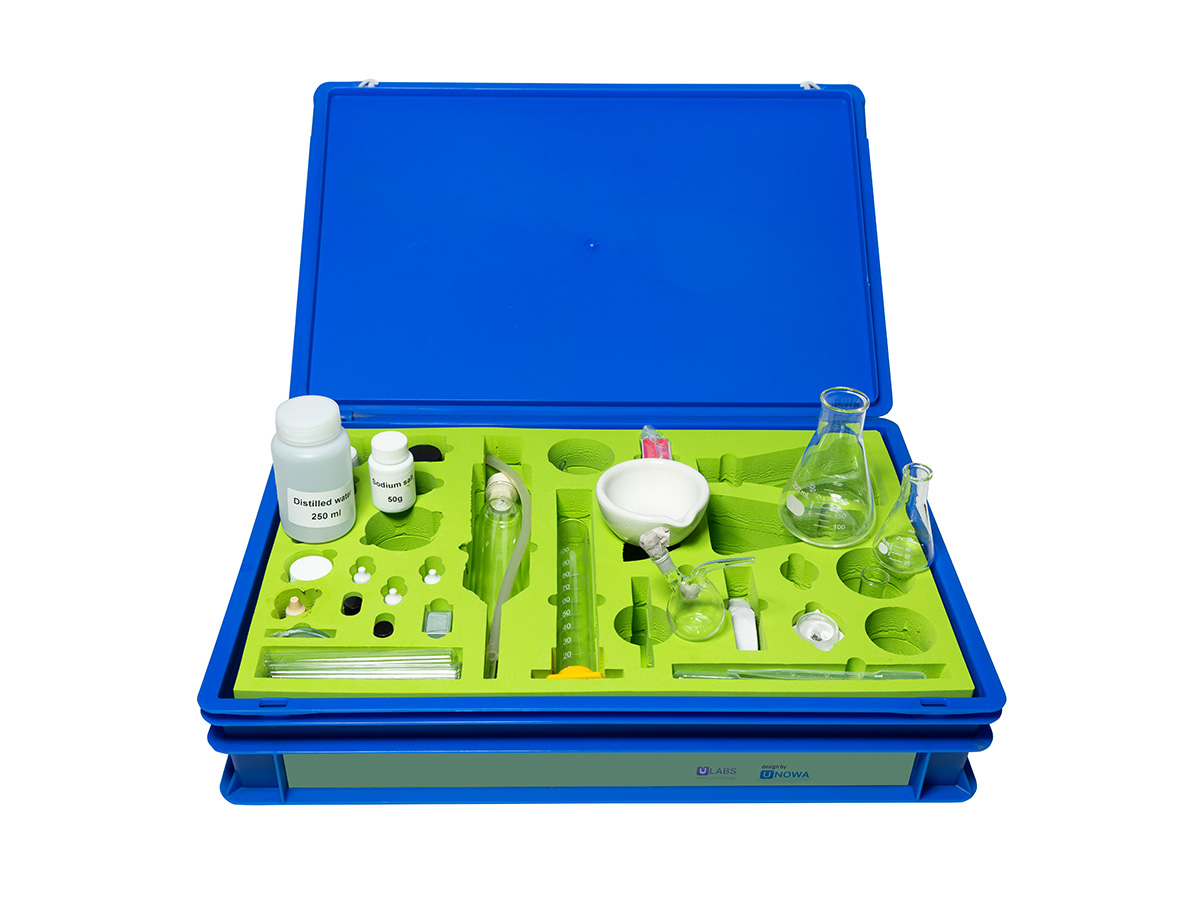
The training and laboratory stand "Setting Up Electrical Equipment of Industrial and Residential Facilities" is designed for teaching methods of installation, commissioning, and maintenance of electrical equipment in industrial and residential premises.

Power supply: 380 V
Can be equipped with transport rollers for mobility
Circuit breaker
Transformer 380/220 V
Residual current circuit breaker with overcurrent protection (RCBO)
Magnetic starters
Relays
Fuses
Load resistor
Ammeters 0–40 A
Voltmeters 0–400 V
Two-element wattmeters
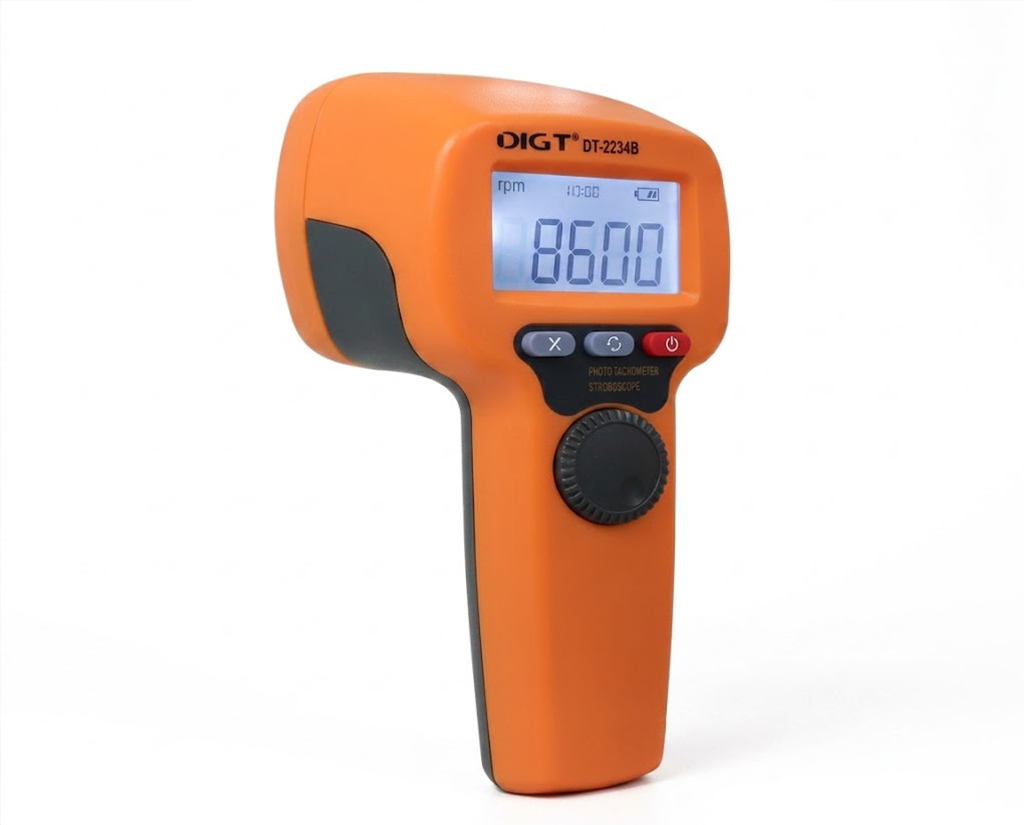
Tachometer
Adjustable autotransformer 0–220 V (VARIAC)
Time relay
Thermal relay
Incandescent lamp
Fluorescent lamp
Capacitors
Switches
Push-button control stations
Call button
Fragment of a residential apartment electrical lighting installation
This comprehensive trainer provides students with practical skills in the configuration, diagnostics, and operation of various electrical systems in different environments.
Assembly table made of steel profile with a work surface and a pull-out drawer for tool storage.
Built-in power module located above the work surface.
Aluminum profile frame with a perforated mounting panel for the installation and testing of electrical components.
Made of steel profile with a work surface and a pull-out drawer for convenient tool storage.
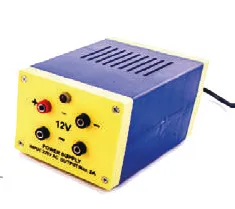
Power source ~220 V, 50 Hz, 3 A – 2 pcs.
Power source ~36 V, 50 Hz, 3 A – 2 pcs.
Power source ~12 V, 50 Hz, 3 A – 2 pcs.
Induction motor with a squirrel-cage rotor.
All electric motors of the bench are mechanically connected by couplings, which ensures their synchronous operation during experiments.
The rotation speed of the motors is measured using a DC tachogenerator.
Connecting wires (jumpers) are used for assembling circuits according to the provided diagrams.
Indicator lamps monitor the supply of three-phase voltage to the bench, ensuring safe operation.
Verification of the integrity and efficiency of protective grounding circuits.
Study and testing of electric motors together with switching devices: magnetic starters, thermal relays.
Experiments with capacitors to improve the power factor of electrical systems.
Investigation of protection mechanisms for lighting networks, including RCBOs and fuses.
Study of rules and standards for the installation of electrical lighting in residential buildings.
Analysis of fluorescent lamp operation and their role in energy-efficient lighting systems.
Detection and elimination of faults in automated electrical devices.
Testing of AC and DC motors after repair to verify functionality.
Verification of power transformer operation after restoration.
Study of methods for detecting and locating damage in cable lines.
Students interact with real components and assemble functional electrical systems.
The bench covers all key aspects of installation and adjustment of electrical equipment: motors, transformers, lighting systems, fault diagnosis.
The possibility of flexible configuration of various circuits using jumpers enhances the understanding of complex systems.
Equipped with indicator lamps and protective elements, guaranteeing safe operation.
The training and laboratory stand "Setting Up Electrical Equipment of Industrial and Residential Facilities" is modern training equipment that combines real components and advanced simulation capabilities. Its robust frame, wide range of elements, and variety of functions make it an indispensable solution for teaching and learning modern technologies in electrical engineering and building automation.
What our clients are saying about us.




.avif)
.avif)


What our clients are saying about us.