 Speak to expert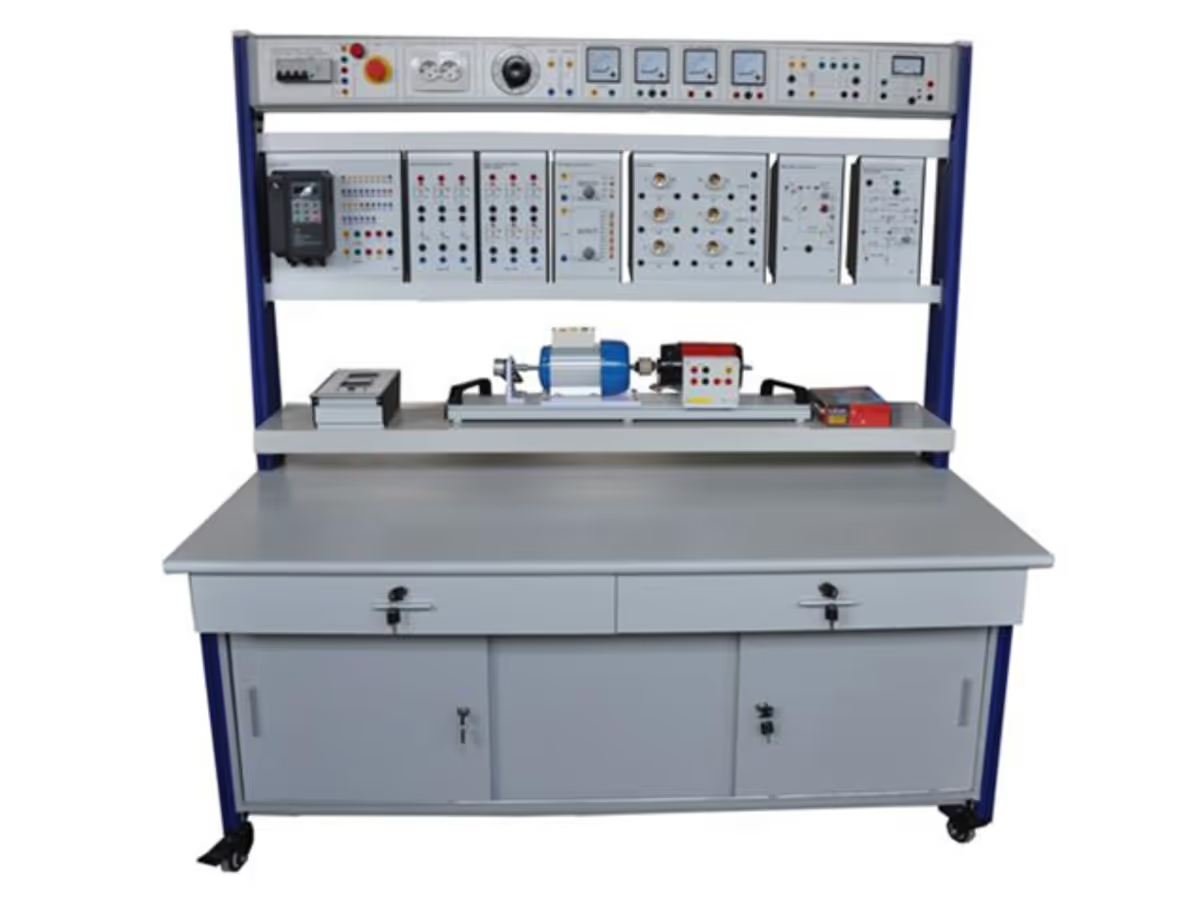



.png)



The laboratory stand "Fundamentals of Electrical Engineering and Microprocessor Electronics" is designed for teaching basic concepts in the field of electrical engineering and electronics, including microprocessor-based control.

Power supply voltage: 380 V.
Can be equipped with transport rollers for mobility.
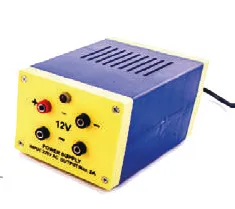
Supplies voltage to the stand. Contains short-circuit protection, zero-voltage protection, and overload protection.
Technical characteristics: 100 W; input voltage: 380 V, 50 Hz
Outputs:
Uout1: +5 V, 1 A (stabilized)
Uout2: +15 V, 1 A (stabilized)
Uout3: -15 V, 1 A (stabilized)
Uout4: +24 V, 1 A (stabilized)
Uout5: ~250 V, 1 A (unstabilized)
Protection: built-in short-circuit protection.
Three-phase power supply: 380/127/24 V, 190 W
Adjustable power supply with the following technical characteristics:
Uout1: ~0–250 V, 2 A
Uout2: +0–250 V, 2 A
Uout3: ~0–36 V, 2 A
Uout4: +0–36 V, 2 A
Based on a measuring complex with 28 measurement channels and 4 galvanic isolations.
Contains three-phase adjustable active, capacitive, and inductive loads.
Designed for installation and connection of variable panels to power supplies, measuring instruments, loads, and control devices.
Three-phase asynchronous motor with squirrel-cage rotor.
Three-phase two-speed motor with independent excitation.
Optical speed sensor.
Main power supply and circuit breaker unit – 1 pc.
Limit position switches.
Thermal overload relays – 2 pcs., timer relay – 1 pc., resistors – 3 pcs.
Electricity meter – 1 pc.
Single-phase and two-phase circuit breakers.
Lighting panel.
Power sockets: 2 pcs.
Two-gang switches: 2 pcs.
Single-gang switch: 1 pc.
Illuminated switch with sound signal: 1 pc.
Incandescent lamps: 2 pcs.
Digital AC voltmeter (0…450 V): 3 pcs.
Digital AC ammeter (0…3 A): 3 pcs.
The laboratory stand provides students with the opportunity to gain practical experience in designing, assembling, and diagnosing electronic circuits.This comprehensive stand features a modular design that allows flexible creation of various experimental configurations, as well as a wide range of power supply units, measuring instruments, and load modules for in-depth study of electrical machines and circuits.
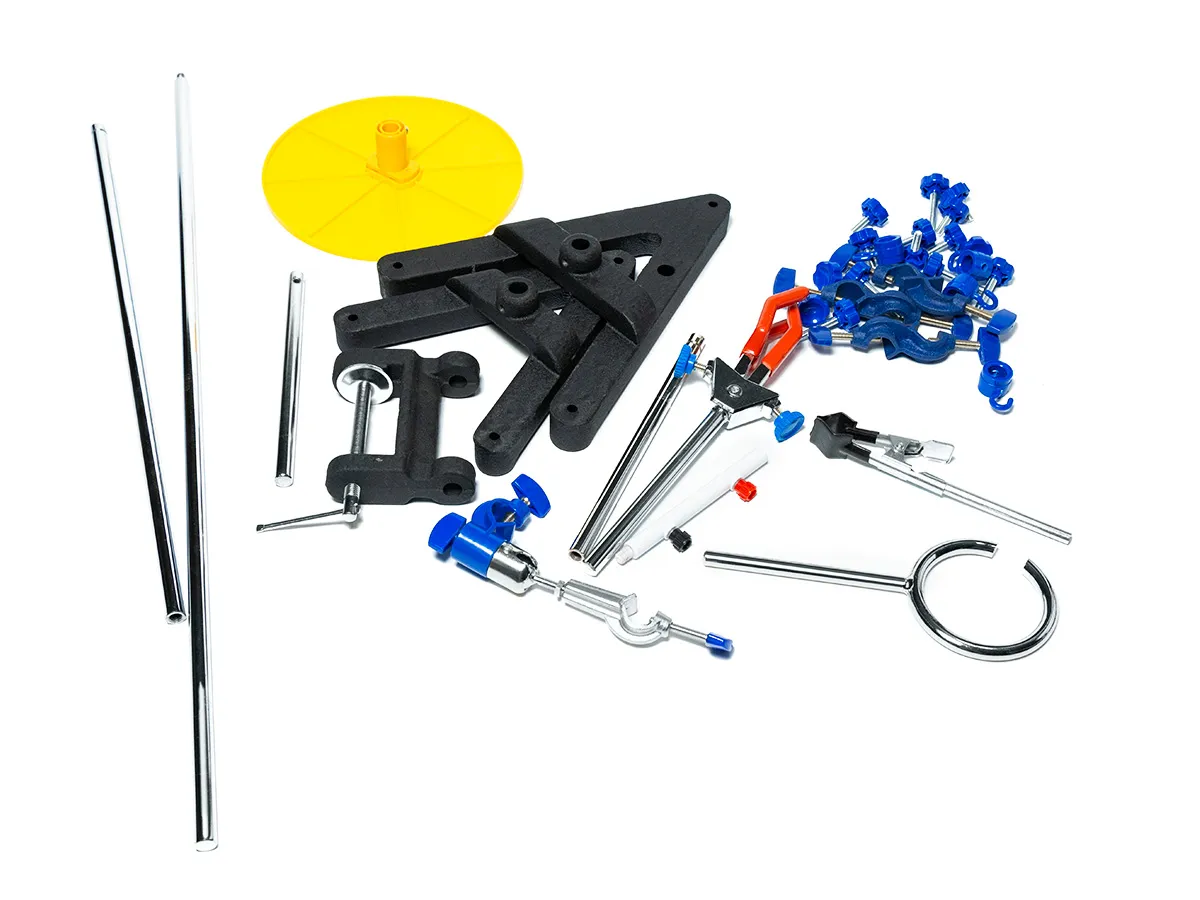
The frame is made of standard aluminum profiles, ensuring strength and flexibility.
The modular system allows easy creation of various experimental combinations on a two-level platform.
All upper modules, including the experimental unit, power supply, and frame supports, are removable for convenient reconfiguration and maintenance.
Momentary control circuit.
Self-locking circuit.
Momentary control circuit with self-locking.
Control circuit of a three-phase asynchronous motor with reversing and contact interlocking.
Control circuit of a three-phase asynchronous motor with reversing and push-button/contactor interlocking.
Remote / local / multiple start and stop diagram.
Automatic reversing circuit.
Sequential start circuit of a three-phase asynchronous motor via contactor.
Sequential start circuit of a three-phase asynchronous motor via timer relay.
Sequential start and stop circuit of a three-phase asynchronous motor with reversing.
Starting circuit of a three-phase asynchronous motor using the “star–delta” scheme.
Reduced-voltage starting circuit of a three-phase asynchronous motor using a series resistor.
Control circuit of a three-phase two-speed motor.
Dynamic braking circuit of a three-phase asynchronous motor.
Voltage sources in electrical circuits.
Study of the behavior of voltage sources in different circuit configurations.
Analysis of operating modes of electrical circuits under various conditions.
Gaining experience in designing and diagnosing circuits using microprocessor control.
Conducting experiments with control circuits of three-phase asynchronous motors, including reversing, sequential starting, and dynamic braking.
Study of lighting control circuits, including installation of a wattmeter, circuit breakers, as well as light and sound control.
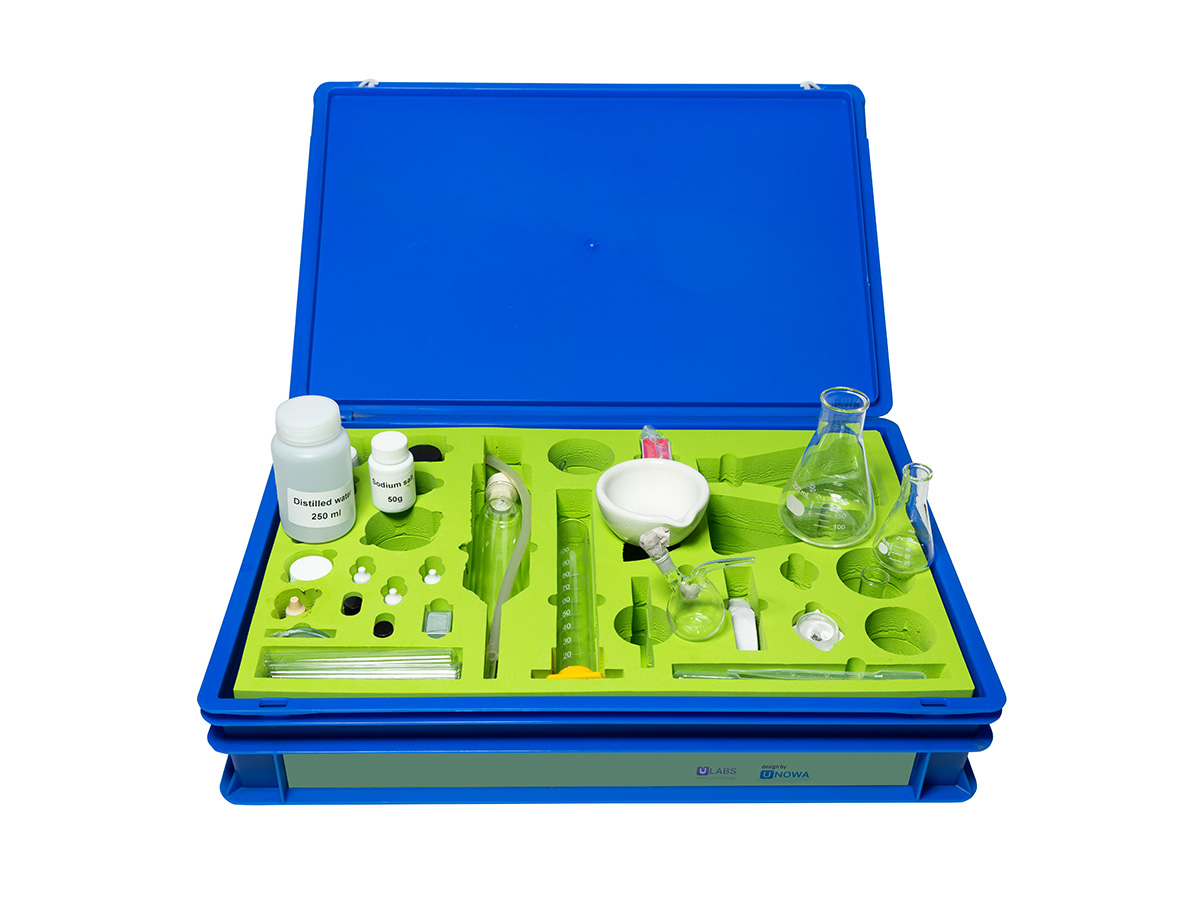
Students interact with real components, assembling and analyzing electrical and electronic circuits.
The stand covers all key aspects of electrical engineering and electronics: from microprocessor control to motor control and lighting systems.
Flexibility in assembling various circuits enhances understanding of complex systems.
Equipped with a measuring unit with 28 channels and 4 galvanic isolations for accurate data acquisition during experiments.
Includes protection against short circuits and overloads, ensuring safe operation.
What our clients are saying about us.




.avif)
.avif)


What our clients are saying about us.