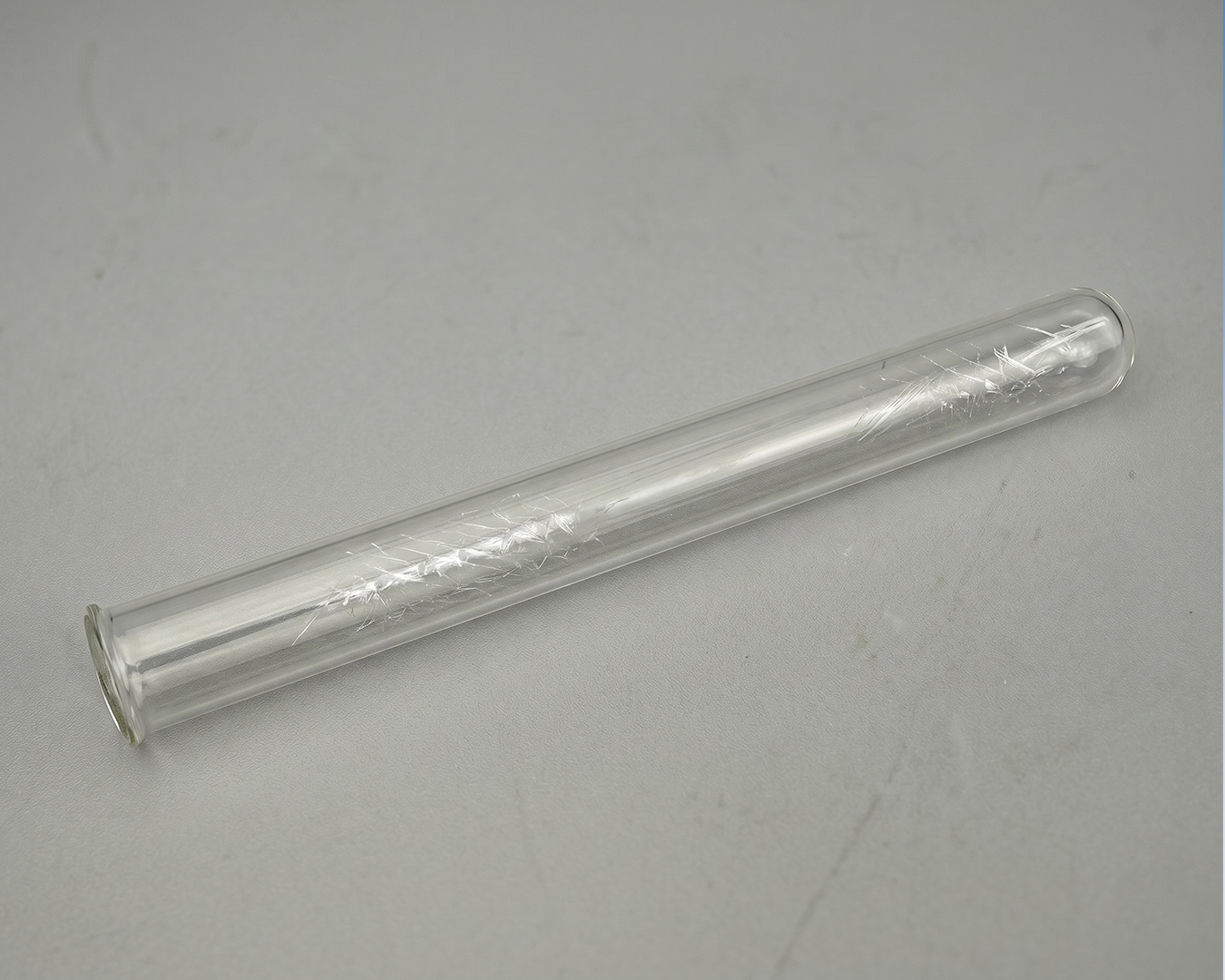
Electronic Scale

An electronic scale with a 500 g weighing limit and a 0.1 g digital readout, with taring, automatic calibration and overload protection. For accurate weighing of substances and small objects in K-12 biology and physics laboratory, practical and research work.

Thank you! Your submission has been received!
Oops! Something went wrong while submitting the form.

Specification

icon plus
  • Purpose: accurate weighing of substances and small objects during laboratory, practical and research work
  • Maximum weighing limit: 500 g
  • Readability (accuracy): 0.1 g
  • Weighing platform size: 150 x 150 mm
  • Indication: digital display
  • Functions: automatic calibration, taring (weighing with the mass of the container taken into account), switching of measurement units
  • Overload protection: provided, for the measuring element
  • Battery power: 2 cells of type AA, 1.5 V
  • Mains power: through an adapter, 220 V, 50 Hz
  • Recommended age: learners from 10 years (grade 5 and above), under teacher supervision
  • Conformity: CE and WEEE marking

Product passport: ULABS-P091 (PDF)

Additional info

icon plus

Additional Information

Preparation for Work
  • Unpack the product, remove the protective film from the platform and display and check the completeness of the set; the weighing platform must lie freely in its seat without resting on the edge of the housing
  • Place the product on a level, immovable, solid table away from windows and doors that are opened, from fans and heaters: draught, vibration from neighbouring equipment and direct sunlight are the main causes of drifting readings. Choose a table that does not rock when leaned on
  • Install two AA cells observing the polarity marked in the battery compartment, or connect the adapter to a 220 V, 50 Hz mains supply
  • Switch the product on and let it warm up; the readings are ready for work when the display holds a steady zero with the platform unloaded. If there is no zero, zero the readings with the control provided for taring
Weighing Procedure
  • Switch the product on and wait for zero readings with the platform unloaded
  • When a substance is weighed in a container, place the empty container in the centre of the platform, wait for steady readings and tare - the display returns to zero and the mass of the container is no longer counted
  • Place the substance or object in the centre of the platform. Keep the load within the 150 x 150 mm platform and clear of foreign objects and the housing walls, otherwise part of the mass is taken by the support rather than the measuring element
  • Wait for the readings to become steady and read the result. The last digit of the display corresponds to 0.1 g, which is the discreteness error of a single weighing; intermediate values are not guessed at
  • Switch the measurement units with the corresponding control if required, without removing the load from the platform
  • Remove the load and check that the display has returned to zero. A systematic non-zero residue after unloading means the product needs calibration or that the platform is contaminated
Calibration
  • The product has an automatic calibration function. Run it after transport or moving the appliance to another room, after changing the power source, and when the readings differ noticeably from the mass of a known control body
  • Calibrate a warmed-up product standing on a level immovable surface, with the platform unloaded and clean, in the mode provided by the appliance controls. Do not move the product, touch the platform or lean on the table during calibration
  • Check the readings against a body of known mass afterwards. Repeat the procedure if a discrepancy remains; a persistent discrepancy means the product is withdrawn from use until checked at a service centre
Operating Conditions
  • Air temperature: +5 °C to +40 °C
  • Relative humidity: 40 % to 60 %
  • Atmospheric pressure: 84 to 107 kPa (630-800 mm Hg)
Safety
  • Students work with the product under the supervision of a teacher
  • Use only cells of the type and rating stated in the passport or on the product housing; do not mix new and partly discharged cells and observe the polarity
  • Remove the cells at once at any sign of electrolyte leakage, without touching the contents, and take them out if the product will not be used for more than a month
  • Do not charge cells not intended for recharging and do not throw them into fire
  • Do not disassemble the housing and do not expose the product to impacts, moisture or direct sunlight
  • Do not exceed the maximum weighing limit of 500 g and do not drop objects onto the platform: overload destroys the measuring element and the stated accuracy is lost
  • Do not weigh loose, liquid or chemically active substances directly on the platform - use a weighing bottle, watch glass or another container and account for its mass with the taring function
  • Do not place hot glassware or objects just removed from a heater on the platform: the rising air flow distorts the readings and heating damages the measuring element
  • Protect the product from water and solutions entering the housing; remove spilled liquid only from a switched-off appliance disconnected from the adapter
  • Use only the power adapter intended for this product
Maintenance
  • Keep the weighing platform clean: after every lesson remove it and brush off spilled substance with a soft brush
  • Wipe the housing and platform with a soft cloth barely moistened with water or a neutral agent and dry them; solvents, alcohol and abrasive powders are prohibited. Do not immerse the product in water or wash it under running water
  • Check the readings against a body of known mass at several points of the range - at the start, in the middle and near the 500 g limit - once per school semester. Calibrate if the discrepancy exceeds the 0.1 g discreteness
  • Remove the cells if the product will not be used for more than a few weeks: a leaking cell destroys the contacts of the battery compartment
Storage and Transport
  • Store in a dry heated room at +5 °C to +40 °C and relative humidity of 60 % without condensation, covered from dust and protected from direct sunlight, moisture and heat sources
  • Transport in the factory packaging or in a rigid case, with the platform packed separately
  • During transport the packed product is secured against movement, and the packaging is protected from precipitation and impact
Warranty and Disposal
  • Warranty: remedy of defects and replacement of defective parts or of the equipment for three (3) years; availability of spare parts and consumables for five (5) years
  • Disposal: WEEE marking - not to be disposed of with unsorted household waste; remove the cells before disposal and hand them in separately at a battery collection point, and hand the product over to a separate collection point for waste electrical and electronic equipment. Metal parts are recycled as scrap metal, electronic components go to specialised processing

icon plus
How long is the MIKKO Course?
Is the MIKKO Course good for new teachers
How long is the MIKKO Course?
Ask something?
More information

More information

Related products
view all

What our clients are saying about us.
view all

Customer testimonials

What our clients are saying about us.

Working with UNOWA was a turning point for our university. Their expert-led training in ABA, ADOS-2 and MIKKO reshaped how we think, teach, and prepare inclusive educators. The model inclusion classroom they equipped has become a living lab, a space where theory becomes hands-on skill. This partnership didn’t just support a project. It laid the foundation for a more humane, modern and inclusive education system in Kazakhstan.
Yerkin Zhumankulova
Vice-Rector in Academic Affairs. Kazakh National Women's Teacher Training University
Thanks to UNOWA’s innovative approach and professional guidance, we’ve redefined how we prepare future educators. The MIKKO training and inclusion lab brought international best practices to our university, not just as theory, but as living, hands-on tools that inspire confidence and real change.
Irina Rovnyakova
Vice-Rector for Strategic Development and International Relations. Sarsen Amanzholov East Kazakhstan University
Working with the UNOWA team was a valuable and supportive experience in delivering psychological and educational projects. Their reliable platform, openness to dialogue, and continuous technical support allowed me to focus on the quality and meaning of education. I confidently recommend UNOWA as a trusted partner for the development of psychological education and human-centered support.
Liudmyla Lahuta
President of the International Institute of Psychological Maturity INC
Thanks to our partnership with UNOWA, even schools in Armenia’s most remote regions now have access to fully equipped science and technology labs. Nearly half of the country’s schools have been modernized, bringing equal learning conditions to every student, no matter where they live.
Zhanna Andreasyan
Minister of Education, Science, Culture and Sport. The Government of the Republic of Armenia
UNOWA's national project equipped 14 Kazakhstan universities with inclusive classrooms to a unified standard. They delivered top-quality kits, equipment, digital courses with 24/7 access, and localized resources. This game-changer strengthened inclusive education foundations nationwide.
Dastan Yessenov
Coordinator of the PIU of World Bank in the Republic of Kazakhstan
UNOWA's national-level ABA and ADOS-2 training became a milestone for Kazakhstan's education system. The program was comprehensive, well-structured, and perfectly aligned with inclusive education modernization goals nationwide. I appreciated the balance of deep theory, practical sessions, and 24/7 online access. This strengthened specialists' ABA and diagnostics skills, directly improving support for children with special needs.
Karlygash Zholdassova
Inclusion Education Specialist of PIU of World Bank in the Republic of Kazakhstan
icon arrow left
icon arrow right

Customer testimonials

What our clients are saying about us.

UNOWA's national project equipped 14 Kazakhstan universities with inclusive classrooms to a unified standard. They delivered top-quality kits, equipment, digital courses with 24/7 access, and localized resources. This game-changer strengthened inclusive education foundations nationwide.
Dastan Yessenov
Coordinator of the PIU of World Bank in the Republic of Kazakhstan
UNOWA's national-level ABA and ADOS-2 training became a milestone for Kazakhstan's education system. The program was comprehensive, well-structured, and perfectly aligned with inclusive education modernization goals nationwide. I appreciated the balance of deep theory, practical sessions, and 24/7 online access. This strengthened specialists' ABA and diagnostics skills, directly improving support for children with special needs.
Karlygash Zholdassova
Inclusion Education Specialist of PIU of World Bank in the Republic of Kazakhstan
Working with the UNOWA team was a valuable and supportive experience in delivering psychological and educational projects. Their reliable platform, openness to dialogue, and continuous technical support allowed me to focus on the quality and meaning of education. I confidently recommend UNOWA as a trusted partner for the development of psychological education and human-centered support.
Liudmyla Lahuta
President of the International Institute of Psychological Maturity INC
Thanks to our partnership with UNOWA, even schools in Armenia’s most remote regions now have access to fully equipped science and technology labs. Nearly half of the country’s schools have been modernized, bringing equal learning conditions to every student, no matter where they live.
Zhanna Andreasyan
Minister of Education, Science, Culture and Sport. The Government of the Republic of Armenia
Thanks to UNOWA’s innovative approach and professional guidance, we’ve redefined how we prepare future educators. The MIKKO training and inclusion lab brought international best practices to our university, not just as theory, but as living, hands-on tools that inspire confidence and real change.
Irina Rovnyakova
Vice-Rector for Strategic Development and International Relations Sarsen Amanzholov East Kazakhstan University
Working with UNOWA was a turning point for our university. Their expert-led training in ABA, ADOS-2 and MIKKO reshaped how we think, teach, and prepare inclusive educators. The model inclusion classroom they equipped has become a living lab, a space where theory becomes hands-on skill. This partnership didn’t just support a project. It laid the foundation for a more humane, modern and inclusive education system in Kazakhstan.
Yerkin Zhumankulova
Vice-Rector in Academic Affairs Kazakh National Women's Teacher Training University
icon arrow left
icon arrow right
Electronic Scale
Speak to expertimage of finger pointing to a graph