Digital Laboratory for the Chemistry Classroom (Teacher) with Methodological Guide and AI-Powered Digital Course

A teacher set of eleven wireless standalone sensors that collect, process and visualise experimental data in real time during chemistry lessons and in other science and mathematics subjects. Each sensor shows its reading on its own colour screen and sends data to a computer, mobile device or cloud service, where a digital course with an AI assistant helps students work with the results.

Thank you! Your submission has been received!
Oops! Something went wrong while submitting the form.

Specification

icon plus
  • Purpose: a teaching aid for collecting, processing and visualising experimental data in science and mathematics subjects; teacher demonstrations, laboratory, practical and research work in the chemistry classroom
  • Configuration: teacher set — sensors for temperature, surface temperature, carbon dioxide, oxygen, dissolved oxygen, gas pressure, conductivity, pH, drop counting and optical properties of solutions
  • Number of sensors: 11 devices (10 types; gas pressure sensor supplied as 2 pcs)
  • Sensor type: wireless and standalone, working without additional devices or wires; a data logger or other analogue-to-digital converter is not required to transfer readings to a computer or tablet
  • On-sensor readout: own colour LCD screen, 1.8 in diagonal, showing the measured value at the moment it is taken
  • Data acquisition: real-time measurement data from the laboratory set-up, uploaded and displayed on the end device (screen, web platform) for further use and processing by students on the AI-powered electronic platform
  • Data transfer: wireless, simultaneous reading from several sensors, to a computer, a mobile device or a cloud service
  • Software: displays data as tables and graphs, exports data to spreadsheet editors and other programs
  • Interface language: Ukrainian by default, English available as an option
  • Digital course volume: 70 academic hours
  • AI assistant: integrated into the platform, built on retrieval-augmented generation
  • Licence (right of access) to the software and materials: 12 months

Kit Contents:

Wireless Sensors
  1. Wireless temperature sensor
    • Measuring range: −50 °C to +200 °C
    • Resolution: 0.01 °C
    • Qty: 1 pc
  2. Wireless surface temperature sensor
    • Measuring range: −25 °C to +125 °C
    • Resolution: 0.1 °C
    • Qty: 1 pc
  3. Wireless carbon dioxide sensor
    • Measuring range: 0–50 000 ppm
    • Resolution: 1 ppm
    • Qty: 1 pc
  4. Wireless oxygen sensor with probe
    • Measuring range: 0–100 %
    • Resolution: 0.1 %
    • Qty: 1 pc
  5. Wireless gas pressure sensor with syringe
    • Measuring range: 0–700 kPa
    • Resolution: 0.1 kPa
    • Qty: 2 pcs
  6. Wireless conductivity sensor
    • Measuring range: 0–20 000 µS/cm
    • Resolution: 1 µS/cm
    • Qty: 1 pc
  7. Wireless water quality sensor (pH)
    • Measuring range: 0–14 pH
    • Resolution: 0.01 pH
    • Qty: 1 pc
  8. Wireless dissolved oxygen sensor
    • Measuring range: 0–20 mg/l
    • Resolution: 0.1 mg/l
    • Qty: 1 pc
  9. Wireless drop counter sensor
    • Measuring range: 0–240 drops/min
    • Resolution: 1 drop/min
    • Qty: 1 pc
  10. Wireless colorimeter sensor
    • Measuring range: 0–100 %
    • Resolution: 0.01 %
    • Qty: 1 pc
Packaging, Documentation and Software
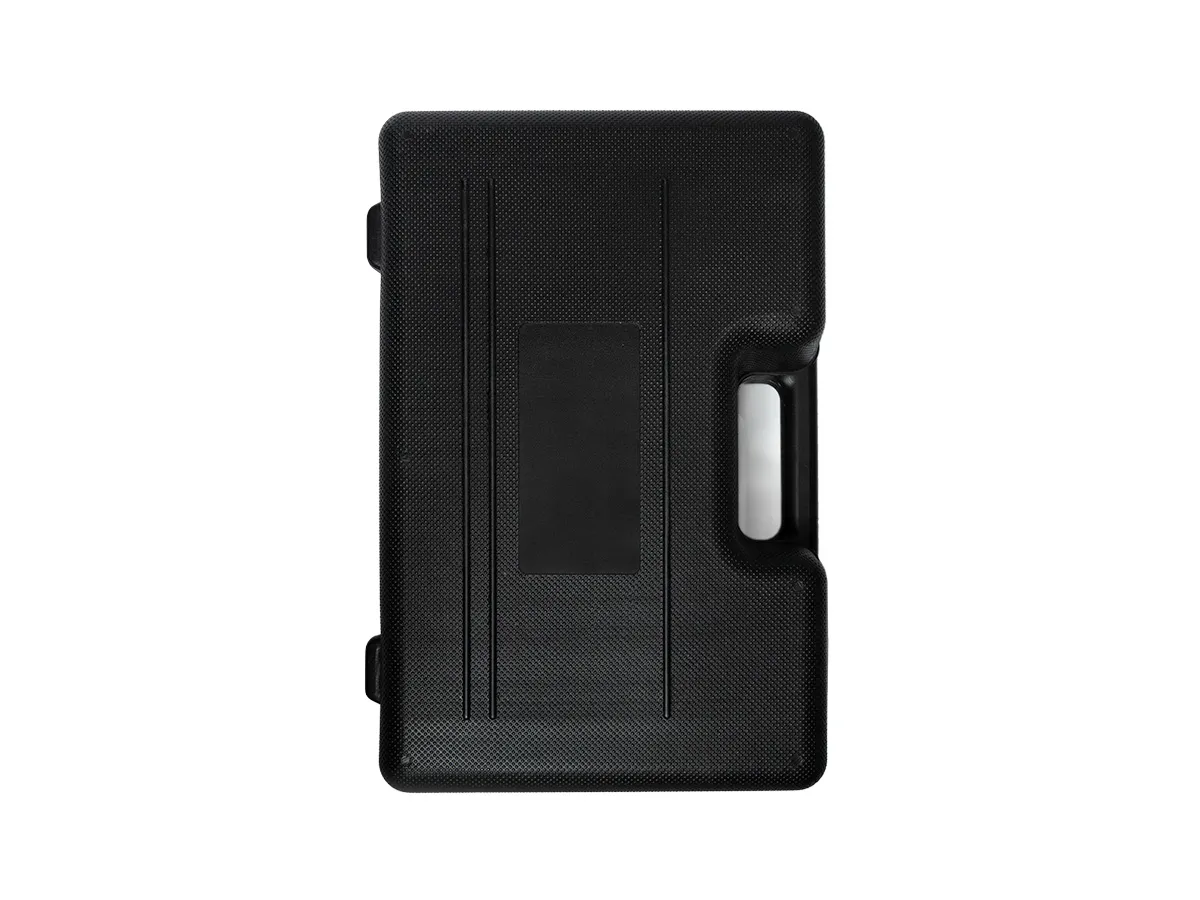
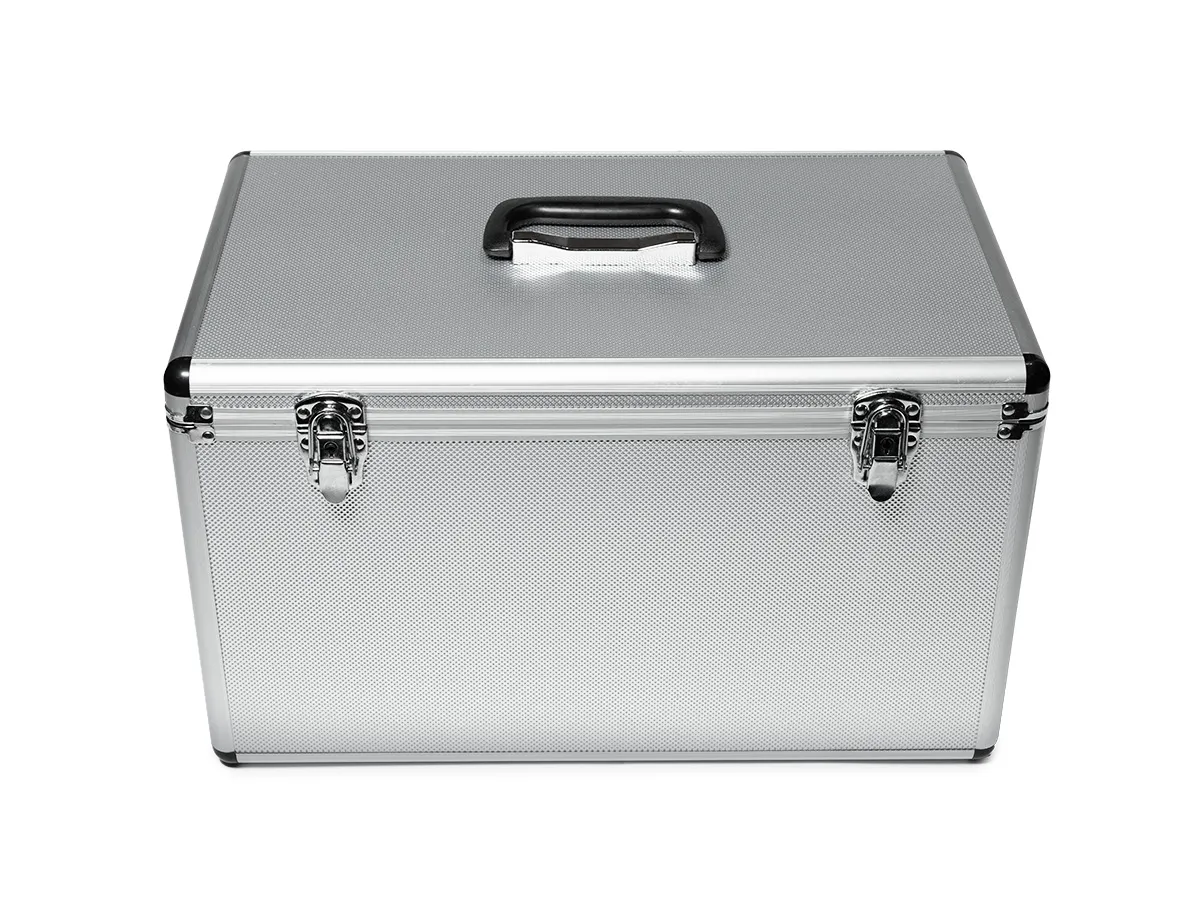
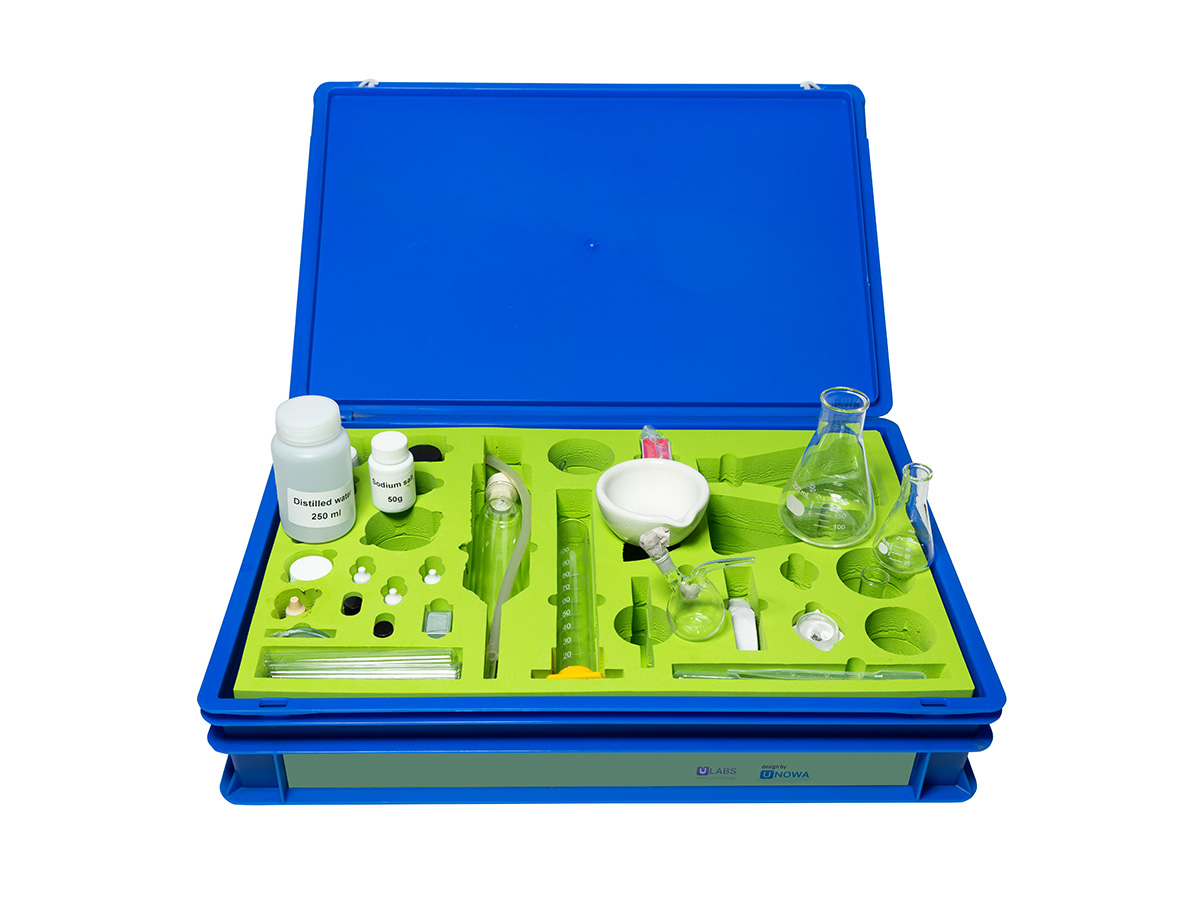
  • Storage box with fitted foam inserts for storing and carrying the sensors — 1 pc
  • Operating manual and methodological guide for the teacher and for the student, covering demonstrations, experiments, laboratory work and project activities — 1 pc
  • Software with a Ukrainian-language interface, compatible with the operating system of the school device: data shown as tables and graphs, export to spreadsheet editors and other programs, English interface available as an option — 1 licence
  • Access to the digital course and the AI assistant in the learning management system, provided at edu.unowa.eu, licence valid 12 months — 1 access

Powered by AI

icon plus

Data from the sensors reaches the platform automatically, with no manual entry, and is processed there by an AI assistant integrated into the learning management system and built on retrieval-augmented generation over a localised knowledge base aligned with the national curriculum of Ukraine. The assistant is a separate tool of the digital course and uses generative artificial intelligence.

The digital laboratory is a modern educational solution that combines software, multimedia content and elements of generative artificial intelligence to support inclusive and engaging learning.

AI Assistant Functions
  • Task selection: automated selection of research tasks and experiments matching the topic of the lesson
  • Methodological support: step-by-step description of the procedure for conducting experimental research
  • Error analysis: identification of typical student errors and personalised recommendations for correcting them
  • Tasks of different difficulty: selection of tasks of different difficulty levels according to the students' level of preparation
  • Reports and conclusions: support in compiling reports on research results and in structuring the conclusions drawn from experiments
  • Knowledge base: operation on a localised knowledge base aligned with the national curriculum of Ukraine
  • Licence: right of access to the software and materials valid for 12 months
  • Language: content and learning materials exclusively in Ukrainian; platform interface in Ukrainian by default, English interface as an option
Work with experimental data
  • Visualisation: presents the measured values as graphs and tables
  • Analysis: analyses the results obtained in the experiment
  • Patterns: identifies the relationships observed during the experiment
  • Reference comparison: compares the measured data with reference values
  • Interpretation: helps students form hypotheses, conclusions and interpretations within a defined 'knowledge corridor'
Development of key skills

Work with the platform develops attention, logical and imaginative thinking, creative abilities and collaboration skills. Students can complete assignments individually or in groups, building learning independence and interaction.

Digital Learning Materials

icon plus

The digital course is a multimedia methodological guide for demonstrations, practical and laboratory work, hosted on the learning management system. It is an integral part of the set and is supplied with it; access is activated with the registration data included with the product. The materials, developed in line with the national curriculum of Ukraine and integrated into the learning management system (LMS), make it possible to run lessons with ready-made methodological content and platform tools, including the built-in RAG-based AI assistant that helps the teacher select materials and prepare lessons for the topic of the lesson.

  • Volume: 70 academic hours, compiled in line with the national curriculum of Ukraine
  • Research modules: structured modules in physics, biology, chemistry and STEM
  • Experiment scenarios: scenarios for running practical experiments
  • Laboratory instructions: step-by-step instructions for laboratory work
  • Video demonstrations: recorded demonstrations of experimental research
  • Interactive content: interactive exercises and assignments
  • Equipment compatibility: the learning modules are fully compatible with the equipment supplied; every experiment is written for the sensors supplied, providing a methodologically sound link between each item of equipment, the method of its use and the expected learning outcomes
  • Teacher-specific scope: demonstration scenarios for the class, plus experiments the student set does not cover — titration with a recorded curve, gas composition in a closed volume and parallel experiments on two set-ups

All content and teaching and learning materials are provided exclusively in Ukrainian. The software platform interface is multilingual: Ukrainian localisation by default, with an English-language interface available as an option.

Licence (right of access) to the software and materials: 12 months.

How long is the MIKKO Course?
Is the MIKKO Course good for new teachers
How long is the MIKKO Course?
Ask something?
More information

More information

Related products
view all

What our clients are saying about us.
view all

Customer testimonials

What our clients are saying about us.
Working with UNOWA was a turning point for our university. Their expert-led training in ABA, ADOS-2 and MIKKO reshaped how we think, teach, and prepare inclusive educators. The model inclusion classroom they equipped has become a living lab, a space where theory becomes hands-on skill. This partnership didn’t just support a project. It laid the foundation for a more humane, modern and inclusive education system in Kazakhstan.
Yerkin Zhumankulova
Vice-Rector in Academic Affairs. Kazakh National Women's Teacher Training University
Thanks to UNOWA’s innovative approach and professional guidance, we’ve redefined how we prepare future educators. The MIKKO training and inclusion lab brought international best practices to our university, not just as theory, but as living, hands-on tools that inspire confidence and real change.
Irina Rovnyakova
Vice-Rector for Strategic Development and International Relations. Sarsen Amanzholov East Kazakhstan University
Working with the UNOWA team was a valuable and supportive experience in delivering psychological and educational projects. Their reliable platform, openness to dialogue, and continuous technical support allowed me to focus on the quality and meaning of education. I confidently recommend UNOWA as a trusted partner for the development of psychological education and human-centered support.
Liudmyla Lahuta
President of the International Institute of Psychological Maturity INC
Thanks to our partnership with UNOWA, even schools in Armenia’s most remote regions now have access to fully equipped science and technology labs. Nearly half of the country’s schools have been modernized, bringing equal learning conditions to every student, no matter where they live.
Zhanna Andreasyan
Minister of Education, Science, Culture and Sport. The Government of the Republic of Armenia
UNOWA's national project equipped 14 Kazakhstan universities with inclusive classrooms to a unified standard. They delivered top-quality kits, equipment, digital courses with 24/7 access, and localized resources. This game-changer strengthened inclusive education foundations nationwide.
Dastan Yessenov
Coordinator of the PIU of World Bank in the Republic of Kazakhstan
UNOWA's national-level ABA and ADOS-2 training became a milestone for Kazakhstan's education system. The program was comprehensive, well-structured, and perfectly aligned with inclusive education modernization goals nationwide. I appreciated the balance of deep theory, practical sessions, and 24/7 online access. This strengthened specialists' ABA and diagnostics skills, directly improving support for children with special needs.
Karlygash Zholdassova
Inclusion Education Specialist of PIU of World Bank in the Republic of Kazakhstan
icon arrow left
icon arrow right

Customer testimonials

What our clients are saying about us.

UNOWA's national project equipped 14 Kazakhstan universities with inclusive classrooms to a unified standard. They delivered top-quality kits, equipment, digital courses with 24/7 access, and localized resources. This game-changer strengthened inclusive education foundations nationwide.
Dastan Yessenov
Coordinator of the PIU of World Bank in the Republic of Kazakhstan
UNOWA's national-level ABA and ADOS-2 training became a milestone for Kazakhstan's education system. The program was comprehensive, well-structured, and perfectly aligned with inclusive education modernization goals nationwide. I appreciated the balance of deep theory, practical sessions, and 24/7 online access. This strengthened specialists' ABA and diagnostics skills, directly improving support for children with special needs.
Karlygash Zholdassova
Inclusion Education Specialist of PIU of World Bank in the Republic of Kazakhstan
Working with the UNOWA team was a valuable and supportive experience in delivering psychological and educational projects. Their reliable platform, openness to dialogue, and continuous technical support allowed me to focus on the quality and meaning of education. I confidently recommend UNOWA as a trusted partner for the development of psychological education and human-centered support.
Liudmyla Lahuta
President of the International Institute of Psychological Maturity INC
Thanks to our partnership with UNOWA, even schools in Armenia’s most remote regions now have access to fully equipped science and technology labs. Nearly half of the country’s schools have been modernized, bringing equal learning conditions to every student, no matter where they live.
Zhanna Andreasyan
Minister of Education, Science, Culture and Sport. The Government of the Republic of Armenia
Thanks to UNOWA’s innovative approach and professional guidance, we’ve redefined how we prepare future educators. The MIKKO training and inclusion lab brought international best practices to our university, not just as theory, but as living, hands-on tools that inspire confidence and real change.
Irina Rovnyakova
Vice-Rector for Strategic Development and International Relations Sarsen Amanzholov East Kazakhstan University
Working with UNOWA was a turning point for our university. Their expert-led training in ABA, ADOS-2 and MIKKO reshaped how we think, teach, and prepare inclusive educators. The model inclusion classroom they equipped has become a living lab, a space where theory becomes hands-on skill. This partnership didn’t just support a project. It laid the foundation for a more humane, modern and inclusive education system in Kazakhstan.
Yerkin Zhumankulova
Vice-Rector in Academic Affairs Kazakh National Women's Teacher Training University
icon arrow left
icon arrow right
Digital Laboratory for the Chemistry Classroom (Teacher) with Methodological Guide and AI-Powered Digital Course
Speak to expertimage of finger pointing to a graph