CNC Laser Engraver and Cutter

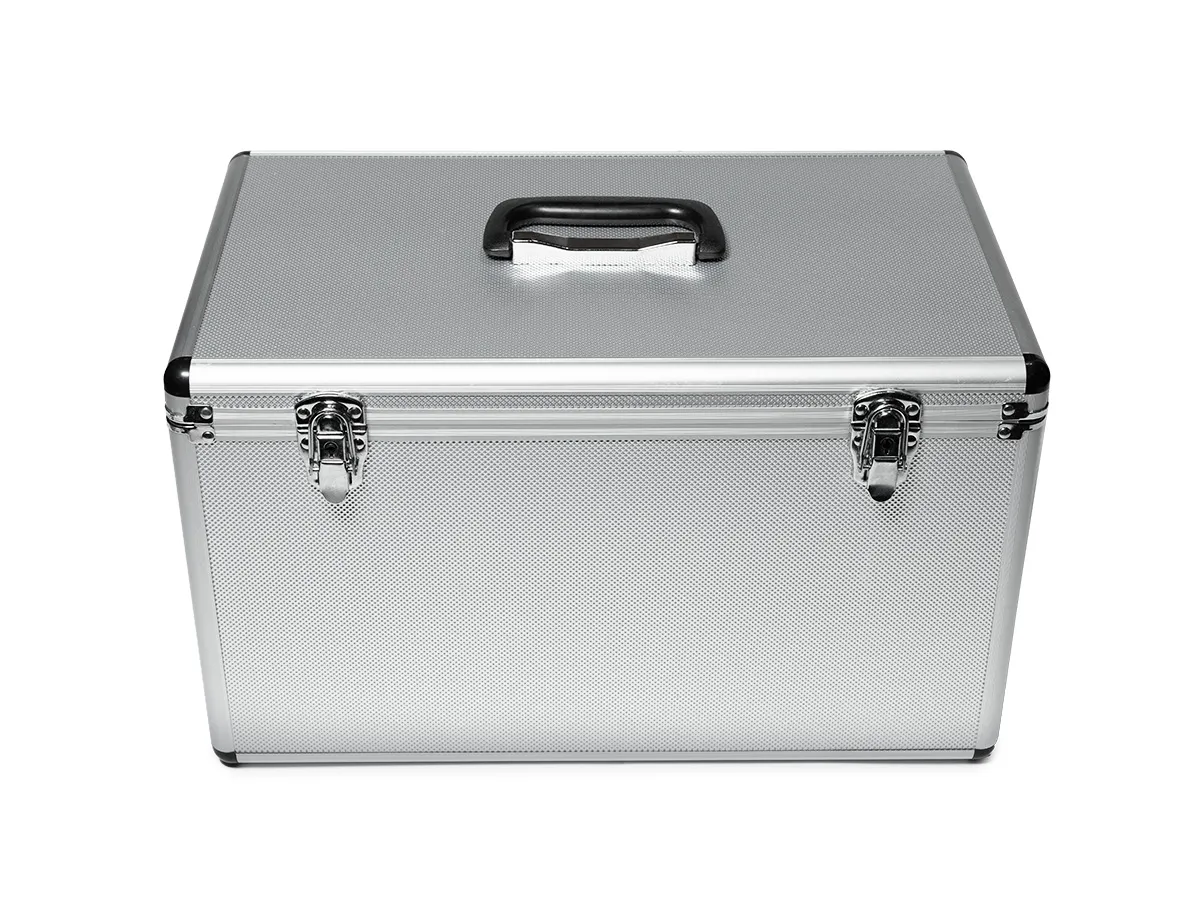
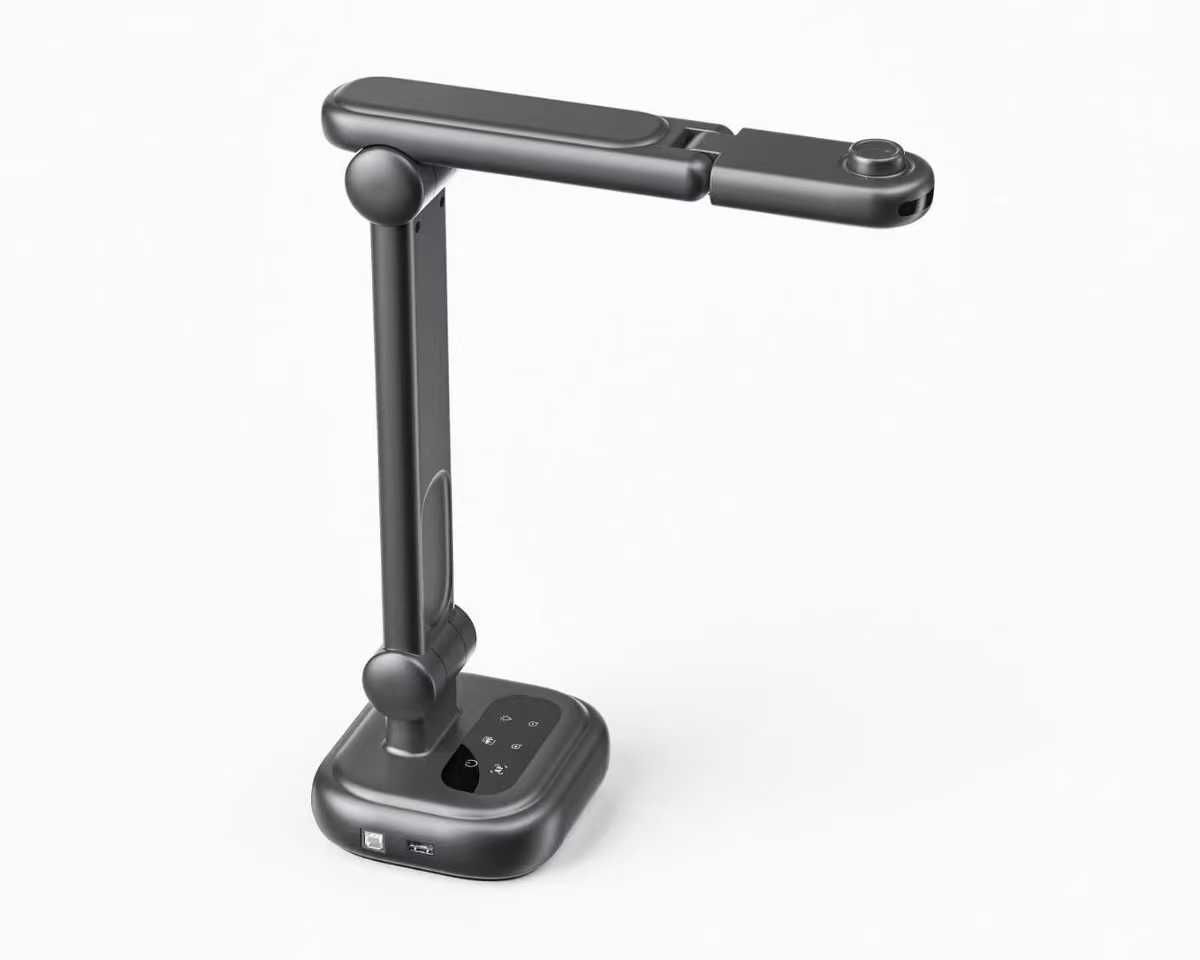
A 50 W CO2 laser machine with CNC control for engraving and cutting wood, cardboard, acrylic, felt and leather in school technology workshops and STEM laboratories. Supplied with a protective honeycomb work table, safety glasses, a tool set, a year of consumables, software and teaching materials for K-12 learners aged 10 and older.

Thank you! Your submission has been received!
Oops! Something went wrong while submitting the form.

Specification

icon plus
  • Laser type: gas, carbon dioxide (CO2)
  • Laser power: 50 W
  • Working field: 400 × 400 mm
  • Engraving resolution: 1000 DPI
  • Engraving speed: 0–500 mm/s
  • Feed speed when cutting: 0–50 mm/s
  • Positioning accuracy (repeatability): ±0.05 mm
  • Smallest character size when engraving: 1 mm (letter); 2 mm (character with complex outline)
  • Work table: dedicated protective work table with a honeycomb panel
  • Safety equipment: protective enclosure over the working area, emergency stop button, cooling system, fume extraction with connection to ventilation
  • Control: from a personal computer, with beam power, speed and engraving depth set by the operator
  • Supported file formats: BMP, DXF, PLT, AI
  • Power supply: AC mains 220 V or 110 V with 10 % tolerance, 50/60 Hz
  • Overall dimensions: 900 × 750 × 420 mm
  • Processed materials: non-metal materials — wood and plywood, cardboard and paper, acrylic sheet, felt, leather and other materials suitable for laser processing
  • Compliance: CE and WEEE marking

Kit Contents:

Machine and Work Table
  • Digital CNC laser machine, with protective enclosure over the working area, cooling system, fume extraction with connection to ventilation and emergency stop button — 1 pc
  • Dedicated protective work table, with honeycomb panel — 1 pc
Safety and Tooling
  • Set of safety glasses — 1 set
  • Dedicated tool set, for operating the machine and finishing the produced items — 1 set
Consumables, Software and Teaching Materials
  • Set of consumable materials for one year of operation, for the items learners plan to produce during one school year
  • Software, for preparing and running control programs from a personal computer, with beam power, speed and engraving depth settings — 1 set
  • Teaching materials, for use in the educational process — 1 set

Product passport: ULABS-S007 (PDF)

Additional info

icon plus

Intended Use

The machine performs non-contact engraving and cutting of non-metal materials with a focused laser beam, following a control program prepared on a computer. It is intended for technology workshops and STEM laboratories of educational institutions and is used only under the supervision of a teacher, by learners aged 10 and older (grade 5 and above).

Operating Conditions

  • Air temperature: +5 °C to +40 °C
  • Relative air humidity: 40 % to 60 %
  • Atmospheric pressure: 84 to 107 kPa (630–800 mm Hg)
  • Installation: on a level, stable base sized for 900 × 750 × 420 mm, in a room with supply and exhaust ventilation; the fume extraction is connected to a ventilation duct or to an extraction unit vented outdoors

Safety

  • Do not look into the laser beam or at the point where it strikes the material, and do not direct the beam at people, animals or mirror surfaces; work only in the safety glasses from the kit.
  • Work only with the protective enclosure closed; do not open it during processing, do not remove it and do not disable the interlocks or the emergency stop button.
  • Switch on the cooling system and the fume extraction before processing starts and do not work without a connection to ventilation — engraving and cutting produce smoke and volatile combustion products.
  • Do not process materials that release toxic combustion products, in particular polyvinyl chloride and other chlorine-containing polymers, and do not process metals or reflective surfaces.
  • Do not leave the machine running unattended: material in the working area can ignite. Keep fire-extinguishing means nearby; in case of ignition press the emergency stop button and do not open the enclosure until burning stops.
  • Do not place foreign objects in the working area and do not leave material offcuts there after work — they ignite on the next pass of the beam.
  • Connect the machine only to a power source with the voltage, frequency and rated parameters stated on its rating plate; do not use it with a damaged cord or plug.

Work Sequence

  • Prepare the image or outline in the software and split the job into operations: an outline for cutting and a raster image for engraving; set power, speed and the number of passes for each operation.
  • Run a test pass on an offcut of the same material and thickness to select the power and speed at which the cut goes through without charring the edges.
  • Place the workpiece flat on the honeycomb panel and check that it fits fully within the 400 × 400 mm working field; align the program origin with the chosen corner and trace the path with the emitter off.
  • After the program finishes, leave the extraction running for several minutes before opening the enclosure; remove the item and offcuts once cooled and dress the cut edges with the finishing tools from the kit.

Maintenance

  • Switch the machine off and unplug it before any maintenance, and wait for the working area and the cooling system to cool down.
  • Clean the focusing lens and mirrors only with a soft optics wipe, lightly moistened with an agent permitted by the manufacturer's documentation, without pressure and without abrasives; soot on the optics is the most frequent cause of power loss.
  • Regularly clear the honeycomb panel and the tray of offcuts, dust and soot, and check the extraction duct and the state of the extraction filters.
  • Monitor the cooling system: check the level and cleanliness of the coolant, inspect the connections for leaks and start the emitter only at a permitted temperature.
  • Check the emergency stop button, the enclosure interlock and the extraction once every school term, and inspect the safety glasses at the same time; a machine with a faulty safety element must not be operated.
  • Clean the guides and belts of the travel mechanism from dust and service them per the manufacturer's documentation; a loose belt shifts the outline and degrades the ±0.05 mm repeatability.
  • The honeycomb panel and the focusing lens are consumable parts: a panel clogged with soot is cleaned and a deformed one is replaced; a lens with burnt or scratched areas is replaced.

Storage and Transport

  • Store in a dry, clean, ventilated room at +5 °C to +40 °C and relative humidity of 60 %, without condensation, protected from direct sunlight, moisture, dust and heat sources; the air must not contain impurities that cause corrosion of metals.
  • For storage the machine is placed in a dry heated room with the enclosure closed, disconnected from the mains and protected from dust.
  • During transport the loading rules of the respective transport mode apply; the packed product is protected from precipitation and impacts during loading and unloading.

Warranty and Disposal

  • Warranty: defect remedy and replacement of defective parts or equipment for 3 years; spare parts and consumables available for 5 years
  • Year of manufacture: 2026
  • Disposal: the product carries the WEEE marking (crossed-out wheeled bin) and must not be disposed of with unsorted household waste; it is handed over to a separate collection point for waste electrical and electronic equipment. Metal parts are recycled as scrap metal, electronic components go to specialised recycling.

icon plus
How long is the MIKKO Course?
Is the MIKKO Course good for new teachers
How long is the MIKKO Course?
Ask something?
More information

More information

Related products
view all

What our clients are saying about us.
view all

Customer testimonials

What our clients are saying about us.

Working with UNOWA was a turning point for our university. Their expert-led training in ABA, ADOS-2 and MIKKO reshaped how we think, teach, and prepare inclusive educators. The model inclusion classroom they equipped has become a living lab, a space where theory becomes hands-on skill. This partnership didn’t just support a project. It laid the foundation for a more humane, modern and inclusive education system in Kazakhstan.
Yerkin Zhumankulova
Vice-Rector in Academic Affairs. Kazakh National Women's Teacher Training University
Thanks to UNOWA’s innovative approach and professional guidance, we’ve redefined how we prepare future educators. The MIKKO training and inclusion lab brought international best practices to our university, not just as theory, but as living, hands-on tools that inspire confidence and real change.
Irina Rovnyakova
Vice-Rector for Strategic Development and International Relations. Sarsen Amanzholov East Kazakhstan University
Working with the UNOWA team was a valuable and supportive experience in delivering psychological and educational projects. Their reliable platform, openness to dialogue, and continuous technical support allowed me to focus on the quality and meaning of education. I confidently recommend UNOWA as a trusted partner for the development of psychological education and human-centered support.
Liudmyla Lahuta
President of the International Institute of Psychological Maturity INC
Thanks to our partnership with UNOWA, even schools in Armenia’s most remote regions now have access to fully equipped science and technology labs. Nearly half of the country’s schools have been modernized, bringing equal learning conditions to every student, no matter where they live.
Zhanna Andreasyan
Minister of Education, Science, Culture and Sport. The Government of the Republic of Armenia
UNOWA's national project equipped 14 Kazakhstan universities with inclusive classrooms to a unified standard. They delivered top-quality kits, equipment, digital courses with 24/7 access, and localized resources. This game-changer strengthened inclusive education foundations nationwide.
Dastan Yessenov
Coordinator of the PIU of World Bank in the Republic of Kazakhstan
UNOWA's national-level ABA and ADOS-2 training became a milestone for Kazakhstan's education system. The program was comprehensive, well-structured, and perfectly aligned with inclusive education modernization goals nationwide. I appreciated the balance of deep theory, practical sessions, and 24/7 online access. This strengthened specialists' ABA and diagnostics skills, directly improving support for children with special needs.
Karlygash Zholdassova
Inclusion Education Specialist of PIU of World Bank in the Republic of Kazakhstan
icon arrow left
icon arrow right

Customer testimonials

What our clients are saying about us.

UNOWA's national project equipped 14 Kazakhstan universities with inclusive classrooms to a unified standard. They delivered top-quality kits, equipment, digital courses with 24/7 access, and localized resources. This game-changer strengthened inclusive education foundations nationwide.
Dastan Yessenov
Coordinator of the PIU of World Bank in the Republic of Kazakhstan
UNOWA's national-level ABA and ADOS-2 training became a milestone for Kazakhstan's education system. The program was comprehensive, well-structured, and perfectly aligned with inclusive education modernization goals nationwide. I appreciated the balance of deep theory, practical sessions, and 24/7 online access. This strengthened specialists' ABA and diagnostics skills, directly improving support for children with special needs.
Karlygash Zholdassova
Inclusion Education Specialist of PIU of World Bank in the Republic of Kazakhstan
Working with the UNOWA team was a valuable and supportive experience in delivering psychological and educational projects. Their reliable platform, openness to dialogue, and continuous technical support allowed me to focus on the quality and meaning of education. I confidently recommend UNOWA as a trusted partner for the development of psychological education and human-centered support.
Liudmyla Lahuta
President of the International Institute of Psychological Maturity INC
Thanks to our partnership with UNOWA, even schools in Armenia’s most remote regions now have access to fully equipped science and technology labs. Nearly half of the country’s schools have been modernized, bringing equal learning conditions to every student, no matter where they live.
Zhanna Andreasyan
Minister of Education, Science, Culture and Sport. The Government of the Republic of Armenia
Thanks to UNOWA’s innovative approach and professional guidance, we’ve redefined how we prepare future educators. The MIKKO training and inclusion lab brought international best practices to our university, not just as theory, but as living, hands-on tools that inspire confidence and real change.
Irina Rovnyakova
Vice-Rector for Strategic Development and International Relations Sarsen Amanzholov East Kazakhstan University
Working with UNOWA was a turning point for our university. Their expert-led training in ABA, ADOS-2 and MIKKO reshaped how we think, teach, and prepare inclusive educators. The model inclusion classroom they equipped has become a living lab, a space where theory becomes hands-on skill. This partnership didn’t just support a project. It laid the foundation for a more humane, modern and inclusive education system in Kazakhstan.
Yerkin Zhumankulova
Vice-Rector in Academic Affairs Kazakh National Women's Teacher Training University
icon arrow left
icon arrow right
CNC Laser Engraver and Cutter
Speak to expertimage of finger pointing to a graph