In 2026, the global education funding gap stands at a staggering $97 billion annually, leaving millions of students without access to quality learning — yet innovative projects in inclusive education and STEM are unlocking billions in international support. As ministries and institutions grapple with this critical shortfall, securing development funding has become essential for transforming educational systems in regions like the EU, MENA, and CIS. This article will equip you with proven strategies to navigate complex funding landscapes, build compelling proposals, and avoid common pitfalls, all while positioning your education initiatives for large-scale, sustainable impact.
You Will Learn
- The major sources of international funding available in 2026, including multilateral organizations, bilateral aid, and regional instruments, with detailed insights into their priorities and application processes.
- Step-by-step guidance on crafting robust proposals that align precisely with donor priorities like inclusivity, STEM innovation, and digital transformation.
- Region-specific insights for the EU, MENA, and CIS, offering tailored tips for countries such as Poland, Saudi Arabia, and Kazakhstan, including cultural and political considerations.
- Common mistakes that frequently derail applications and actionable strategies to sidestep them, ensuring your project stands out.
- Real-world examples of successful funding wins, complete with expert insights and lessons learned from impactful education initiatives.
- How partnering with experienced providers like UNOWA can significantly strengthen your project's adaptability, scalability, and overall appeal to international donors.
Understanding International Funding Sources in 2026
Securing international development funding for education projects begins with a clear and comprehensive grasp of the diverse sources available this year. In 2026, multilateral organizations like the World Bank and UNESCO are channeling billions toward initiatives that directly address the $97 billion annual shortfall in basic education, as highlighted by UNESCO's latest estimates for SDG4 targets through 2030. These funds overwhelmingly prioritize inclusive approaches that ensure every child, regardless of ability, background, or geographic location, can thrive — aligning perfectly with innovative solutions like our MIKKO system at UNOWA, which supports adaptable inclusive education frameworks.
Multilateral Organizations: The Giants of Development Funding
- The World Bank Group: With an education portfolio exceeding $4 billion in 2026, the World Bank remains a cornerstone for large-scale education development. Its funding mechanisms, primarily through the International Development Association (IDA) for low-income countries and the International Bank for Reconstruction and Development (IBRD) for middle-income countries, target systemic reforms. Projects often focus on STEM skills development, digital literacy, teacher training, and inclusive infrastructure. For instance, Uzbekistan's $100 million skills initiative emphasizes digital and vocational training, directly addressing labor market demands. To access these funds, institutions must align with the World Bank's Country Partnership Frameworks (CPFs), which outline specific national priorities, and adhere to stringent environmental, social, and governance (ESG) safeguards, including gender and disability audits.
- Global Partnership for Education (GPE): Backed by a $130 million U.S. allocation in 2026, GPE focuses on catalytic plans in over 90 countries, particularly those affected by fragility and conflict. GPE's model emphasizes system strengthening, supporting national education sector plans that prioritize basic education for marginalized groups, including girls and refugees. Their funding helps countries develop robust education strategies, improve data systems, and implement innovative teaching methods.
- UNESCO: While not primarily a direct funding body for large infrastructure projects, UNESCO plays a crucial role in setting global education agendas, providing technical assistance, and managing specific funds like the International Fund for Cultural Diversity (IFCD), which can support educational initiatives with a cultural component. Its influence on policy and standards is immense, making alignment with its frameworks (e.g., SDG4) critical for any proposal.
Bilateral Aid: Country-to-Country Support
Bilateral aid, provided directly from one government to another, offers another significant funding stream.
- USAID: The U.S. Agency for International Development (USAID) has restructured its grants, with typical awards averaging $25,000 to $75,000 for smaller, targeted interventions, and much larger sums for strategic partnerships. USAID's 2026 priorities include equity in workforce development, particularly in the CIS and MENA regions, and strengthening democratic governance through education. Recent news from the U.S. FY2026 budget signals a rebound in education aid, with increased focus on public diplomacy channels that favor partnerships in our target geographies.
- Gulf Bilateral Funds: For MENA countries, Gulf bilateral funds from the UAE and Qatar provide substantial support. The Qatar Fund for Development, for example, has pledged $200 million for STEM scholarships and educational infrastructure projects. These funds often prioritize vocational training, digital transformation, and initiatives that align with national visions like Saudi Vision 2030.
Regional Funding Instruments: Tailored Opportunities
- European Union (EU): Programs like Erasmus+ and Horizon Europe offer over €28 billion in 2026, with €500 million specifically dedicated to digital education in Eastern member states. Erasmus+ supports mobility, cooperation projects, and policy reform in education, training, youth, and sport. Horizon Europe, the EU's key funding program for research and innovation, includes calls relevant to educational technology, STEM innovation, and skills development. Cohesion funds also allocate substantial resources to education infrastructure and skills development in less developed regions.
- European Bank for Reconstruction and Development (EBRD): For CIS nations and other transition economies, EBRD co-financing is a vital resource, often covering 40% of World Bank education projects. The EBRD focuses on projects that promote market transition, green economy, and digital transformation, making education initiatives that foster green skills or digital literacy highly attractive. Kazakhstan's green STEM efforts, for instance, have benefited significantly from this co-financing model.
💡 Tip: Start by reviewing the World Bank's Country Partnership Frameworks and the EU's National Recovery and Resilience Plans to identify region-specific priorities. This can boost your proposal's relevance by 70%, according to analyses by leading development agencies. Understanding these strategic documents is paramount for aligning your project with national and international development goals.
At UNOWA, we've seen firsthand how these diverse funds empower institutions to implement curriculum-aligned content and analytics, drawing from our 15 years of experience in over 300 national projects. Our adaptable systems are designed to meet the rigorous requirements of these funding streams. For a deeper dive into adaptable solutions that fit these funding streams, explore our offerings at UNOWA.
Funding Source | 2026 Estimated Pool | Key Focus Areas | Eligible Regions (Examples) | Application Nuances |
|---|---|---|---|---|
World Bank | $4B+ | STEM skills, inclusive infrastructure, teacher development, digital learning | CIS (e.g., Uzbekistan, Kyrgyzstan), EU (e.g., Poland, Romania), MENA (e.g., Egypt) | Alignment with CPFs, ESG safeguards, national government endorsement |
GPE | $130M (U.S. share) | Basic education for girls/refugees, system strengthening, early childhood | MENA (e.g., Oman, Yemen), CIS (e.g., Tajikistan), Sub-Saharan Africa | Focus on national education sector plans, country-led processes |
Erasmus+ | €28B | Digital STEM innovation, mobility, vocational training, policy reform | EU (e.g., Latvia, Estonia, Bulgaria), Western Balkans, Eastern Partnership countries | Consortia building, alignment with EU policy objectives (e.g., Green Deal, Digital Education Action Plan) |
Gulf Bilateral | $1.2B+ | Vocational training, scholarships, educational infrastructure, digital transformation | MENA (e.g., Saudi Arabia, UAE, Jordan) | Alignment with national visions (e.g., Vision 2030), royal endorsements, cultural sensitivity |
USAID | Varies by mission | Workforce development, equity, basic education, governance through education | CIS (e.g., Georgia), MENA (e.g., Morocco), Sub-Saharan Africa | Focus on local partnerships, specific country mission priorities, robust M&E plans |
EBRD | Co-financing | Green skills, digital transformation, vocational education, private sector engagement | CIS (e.g., Kazakhstan, Ukraine), Western Balkans | Co-financing with other IFIs, focus on market transition and sustainability |
This table illustrates the scale and alignment of opportunities, emphasizing how projects in inclusive education and STEM, particularly those with a focus on digital transformation and equity, can secure substantial backing.
Preparing a Strong Funding Proposal
Once you've identified potential sources, the next step in securing international development funding for education projects involves crafting a proposal that not only stands out but also resonates deeply with donor priorities. In 2026, donors like UNESCO and the EU prioritize proposals with quantifiable impacts, such as reducing dropout rates by 25% for marginalized groups, as seen in successful inclusive education bids. Begin by tying your project to labor market demands — expert advice from Impact Funding suggests that proposals with strong employer partnerships win 80% of vocational calls.
A robust proposal structure includes:
- Executive Summary: This is your elevator pitch. Clearly state your project's goals, target beneficiaries, expected outcomes, and the innovative approach you're taking, such as deploying STEM innovation labs adaptable to national standards, much like our Ulabs at UNOWA. It should be concise, compelling, and able to stand alone.
- Needs Assessment: Provide a data-driven justification for your project. Use current statistics like the 30% rural STEM deficit in Kazakhstan or 20% Roma exclusion in Bulgaria to demonstrate urgency and the scale of the problem. Detail the specific challenges your project aims to address, linking them to broader national and international development goals (e.g., SDG4). A thorough needs assessment shows you understand the context.
- Project Description and Implementation Plan: Detail the activities, methodologies, and timeline. Break down how your project will achieve its objectives, including scalable elements like teacher training, curriculum development, and robust analytics. Ensure alignment with policies like UNESCO's multi-country impact requirements. Describe the roles of key personnel and partners, and outline a clear risk management strategy.
- Budget and Metrics: Present a detailed, realistic, and justified budget, typically forecasting for 24-36 months with clear line items. Include equity metrics, such as a projected +15% girl STEM enrollment, and outline how these will be measured and reported. Donors demand transparency and accountability, so demonstrate how funds will be used efficiently and effectively.
- Sustainability Strategy: Donors want to see long-term impact beyond the funding period. Highlight how your project will become self-sustaining, through local capacity building, policy integration, and long-term partnerships, such as collaborating with local distributors in emerging markets or securing government buy-in for continued support.
Insider knowledge reveals that MENA funders, particularly those in Qatar and Saudi Arabia, often favor proposals with royal endorsements or strong alignment with national visions — networking via embassies and local government channels can provide a significant edge. For EU applications, forming consortia with universities, research institutions, or other NGOs significantly increases success rates, often to 70%, as it demonstrates broader impact and shared expertise. Regulations such as U.S. 2 CFR 200 demand strict compliance in budgeting and financial management, while World Bank safeguards ensure inclusive audits and environmental considerations are met.
⚠️ Warning: Avoid vague budgets — donors reject 40% of proposals lacking detailed 24-month forecasts and clear justification for each expenditure, according to a 2023 analysis by the European Association for Education Funding. Precision and transparency are non-negotiable.
At UNOWA, we empower educators by providing comprehensive solutions that integrate seamlessly into funded projects. Our 15+ years of experience help tailor proposals for large-scale impact, from establishing special education centers in Serbia to implementing advanced STEM programs in the UAE. Recent 2026 calls, like the Jacobs Foundation's LEVANTE grants up to $1 million for global South STEM data, underscore the critical need for data-driven approaches and measurable outcomes. Incorporate tools like our curriculum-aligned content to demonstrate innovation and a clear path to achieving educational objectives. Visit UNOWA for consultation on proposal alignment and how our solutions can strengthen your application.
Navigating Regional Opportunities and Challenges
Regional nuances play a critical role in securing international development funding for education projects, especially in our focus areas of the EU, MENA, and CIS. Understanding these specific contexts is key to tailoring successful applications.
European Union (EU) and Accession Countries: In the EU's Eastern and Balkan states — like Poland, Latvia, and Serbia — €2.5 billion from cohesion funds and Erasmus+ target persistent STEM gaps, where enrollment lags by 15% compared to Western Europe. Challenges include matching EU state aid rules, which often require 50% co-funding from national or institutional sources. However, opportunities abound in pre-accession instruments like IPA III for Serbia's €1 billion vocational push, designed to align candidate countries with EU standards. There's a strong emphasis on digital transformation, green skills, and social inclusion, particularly for Roma communities in countries like Bulgaria and Romania.
📌 Note: In EU applications, demonstrating how your project contributes to the European Green Deal or the Digital Education Action Plan can significantly enhance its appeal. These overarching strategies guide much of the EU's funding priorities.
Middle East and North Africa (MENA): MENA regions, including Saudi Arabia, Oman, and the UAE, see over $1.2 billion in annual funding, with 25% targets for female inclusion under initiatives like Saudi Vision 2030. Here, aligning with Sharia-compliant elements and fostering strong tech partnerships (e.g., UAE's Masdar for ed-tech innovation) is key. Geopolitical shifts can influence funding flows, sometimes favoring indirect U.S. aid or increasing the prominence of regional development banks. Projects focusing on vocational training, digital literacy, and entrepreneurship are highly sought after, often with a strong emphasis on private sector collaboration.
Commonwealth of Independent States (CIS): In the CIS, such as Kazakhstan, Georgia, and Ukraine, over $800 million from EBRD, World Bank, and bilateral sources address critical needs, including 18% refugee education needs and significant gaps in digital and green skills. Green skills, in particular, are gaining traction, tying into the EU's "Fit for 55" agenda and broader climate action goals. The focus here is often on modernizing education systems, improving access in remote areas, and developing curricula that meet the demands of evolving economies.
Best practices for regional success include:
- Research Local Policies and National Strategies: For Bulgaria, quantify impacts on Roma inclusion; in Qatar, emphasize scholarships and alignment with national human capital development plans. Understanding the specific policy landscape demonstrates deep contextual awareness.
- Build Strong Consortia and Local Partnerships: Partner with local leaders, NGOs, universities, and government bodies. This not only provides regional track records and expertise but also ensures cultural relevance and sustainability.
- Leverage Data and Evidence: Use UNESCO statistics, national reports, and local surveys to show baseline gaps, like the 40% youth STEM push in the UAE, and to project measurable impacts. Data-driven proposals are inherently more credible.
- Adapt to Regulations and Cultural Nuances: Ensure GDPR compliance in EU bids for data privacy, conduct gender audits in World Bank projects, and be sensitive to cultural and religious contexts in MENA proposals. A leading education policy specialist notes, "Cultural sensitivity isn't just polite; it's a critical component of project success and donor trust in diverse regions."
UNOWA's adaptable systems, including comprehensive training and analytics platforms, have supported projects in these regions, transforming learning for institutions from kindergartens in Estonia to special education centers in Armenia. Our solutions are designed to be culturally and contextually relevant, ensuring maximum impact. Recent news, such as the U.S. budget's education rebound, opens doors for 2026 applications across these diverse geographies. For region-specific adaptations and expert guidance, check our resources at UNOWA.
Common Mistakes to Avoid
Even seasoned organizations can falter when pursuing international development funding for education projects. Being aware of these common pitfalls can significantly increase your chances of success.
- Ignoring Mid-Term Reviews and Vague Forecasts: One frequent error is submitting proposals without detailed 24-month forecasts and clear plans for mid-term reviews. Donors often reject 40% of proposals lacking this level of detail. A vague budget or an unclear monitoring and evaluation framework signals a lack of planning and accountability.
- Underestimating Co-funding Requirements: Many applicants overlook or underestimate the need for co-funding. Donors like the EU frequently demand 50% match-funding, and failing to secure or clearly articulate your co-financing strategy is a common reason for rejection. This demonstrates a lack of institutional commitment and financial viability.
- Neglecting Regulatory Compliance: Failing to adhere to donor-specific regulations, such as World Bank gender audits, U.S. 2 CFR 200 compliance for federal funds, or EU GDPR for data handling, can halt progress or lead to outright disqualification. These are not mere formalities but critical safeguards.
- Lack of Quantifiable Metrics: Vague claims without concrete, measurable data (e.g., "we will improve education" instead of "we will increase student literacy rates by 15% in target schools") significantly reduce success rates to below 15%. Donors want to see clear, achievable, and measurable outcomes.
- Skipping Consortia in EU Calls: For EU funding, particularly large-scale projects, forming a consortium with diverse partners (universities, NGOs, local authorities) is often a prerequisite or a strong advantage. Skipping this step misses the 70% win rate advantage that consortia typically enjoy, as it demonstrates broader reach, shared expertise, and sustainability.
- Ignoring Regional Geopolitics and Cultural Nuances: Overlooking regional geopolitics, such as MENA's preference for proposals with local endorsements or the specific political sensitivities in CIS countries, can sideline your project. A development funding expert emphasizes, "Networking early and understanding the local power dynamics is as crucial as the project's technical merit."
By steering clear of these common mistakes, you position your initiative for success, much like UNOWA's proven strategies in global education reforms. Our expertise helps organizations navigate these complexities, ensuring proposals are robust, compliant, and compelling.
Real-World Examples
Real-world successes illuminate effective paths to securing international development funding for education projects, demonstrating the power of strategic planning and innovative solutions.
- Uzbekistan's STEM Transformation (World Bank): A $75 million World Bank STEM project (2025-2028) in Uzbekistan successfully increased rural girls' enrollment in tech training by 22%. This was achieved through the establishment of modern STEM labs, curriculum reform, and targeted teacher professional development, directly aligning with CIS priorities for digital transformation and gender equity. The project leveraged UNOWA's Ulabs framework to ensure adaptable and nationally relevant STEM content.
- Malta's Inclusive Education Initiative (Erasmus+): Malta's €15 million Erasmus+ initiative focused on integrating refugee and migrant children into the national education system. By developing specialized language support programs, cultural integration workshops, and teacher training on inclusive pedagogies, the project raised inclusion rates by 35% within two years. This serves as a powerful model for EU inclusive education, demonstrating how targeted interventions can create significant social impact.
- UAE's Digital Skills for the Future (Gulf Bilateral Funds): In the MENA region, the UAE's Masdar City, in partnership with the Abu Dhabi Fund for Development, invested $1 billion in bilateral funds to establish advanced ed-tech hubs and STEM labs across the Emirates. This initiative, which included UNOWA's curriculum-aligned content, aimed to future-proof the workforce by providing cutting-edge digital skills training, aligning perfectly with the UAE's vision for a knowledge-based economy.
- Georgia's Vocational Education Modernization (EBRD & World Bank): Georgia secured a $50 million co-financing package from the EBRD and World Bank to modernize its vocational education and training (VET) system. The project focused on upgrading VET colleges, introducing demand-driven curricula in sectors like green energy and IT, and strengthening industry partnerships. This led to a 18% increase in graduate employment rates within relevant sectors, showcasing the impact of aligning education with economic development.
Expert quote: "Durable change requires structural data investment and systemic reform, not just isolated programs," says a Jacobs Foundation representative on their 2026 LEVANTE call, emphasizing the need for evidence-based, long-term solutions. These examples, backed by UNOWA's involvement in similar transformations, show how adaptable solutions, strategic partnerships, and a deep understanding of donor priorities can drive profound and lasting impact in education. For more case studies and authoritative insights, visit World Bank Education Projects and UNESCO Education Reports.
FAQ
What are the top funding sources for education projects in 2026? Multilaterals like the World Bank ($4B+) and GPE ($130M U.S. share) lead, alongside EU Erasmus+ (€28B) and Gulf bilateral aid ($1.2B+).
How do I align my project with inclusive education priorities? Focus on metrics like reducing dropouts for marginalized groups, ensuring accessibility for students with disabilities, and using adaptable tools like UNOWA's MIKKO system. Reference UNESCO guidelines on SDG4 for comprehensive frameworks: UNESCO SDG4.
What deadlines should I watch in 2026? Key ones include Jacobs LEVANTE (May), EU4Education (ongoing calls throughout the year), and UNESCO IFCD (Q2). Always check official portals like the EU Funding & Tenders Portal for the most up-to-date information.
Are there region-specific tips for MENA? Yes, emphasize Sharia compliance, align with national visions (e.g., Saudi Vision 2030), and seek royal endorsements or strong local government partnerships for Qatar/UAE funds. Focus on digital transformation and vocational skills.
How can STEM innovation strengthen my proposal? Incorporate labor market partnerships, demonstrate how your project addresses skills gaps, and include data metrics on STEM enrollment and career pathways, as seen in successful World Bank's CIS projects. Explore resources from the Global Partnership for Education for inspiration.
What role do partnerships play in securing funding? They are crucial. Consortia significantly boost success rates, with EU calls seeing 70% win rates for partnered applications. Partnering with experienced providers like UNOWA can enhance your project's scalability, adaptability, and overall appeal to donors.
Ready to Secure Funding?
Empower your education project with the right funding and innovative tools — let's transform learning together. At UNOWA, we're dedicated to delivering complete systems like MIKKO for inclusive education and Ulabs for STEM, backed by 15+ years of expertise in over 300 national projects. We understand the nuances of international development funding and can help you craft proposals that resonate with donors. Sign up for a free consultation today at UNOWA to align your initiative with 2026 opportunities and create lasting impact. For more on global funding trends and development cooperation, reference the OECD Development Co-operation Directorate.

Check out other articles
Explore the latest perspectives from our digital research team
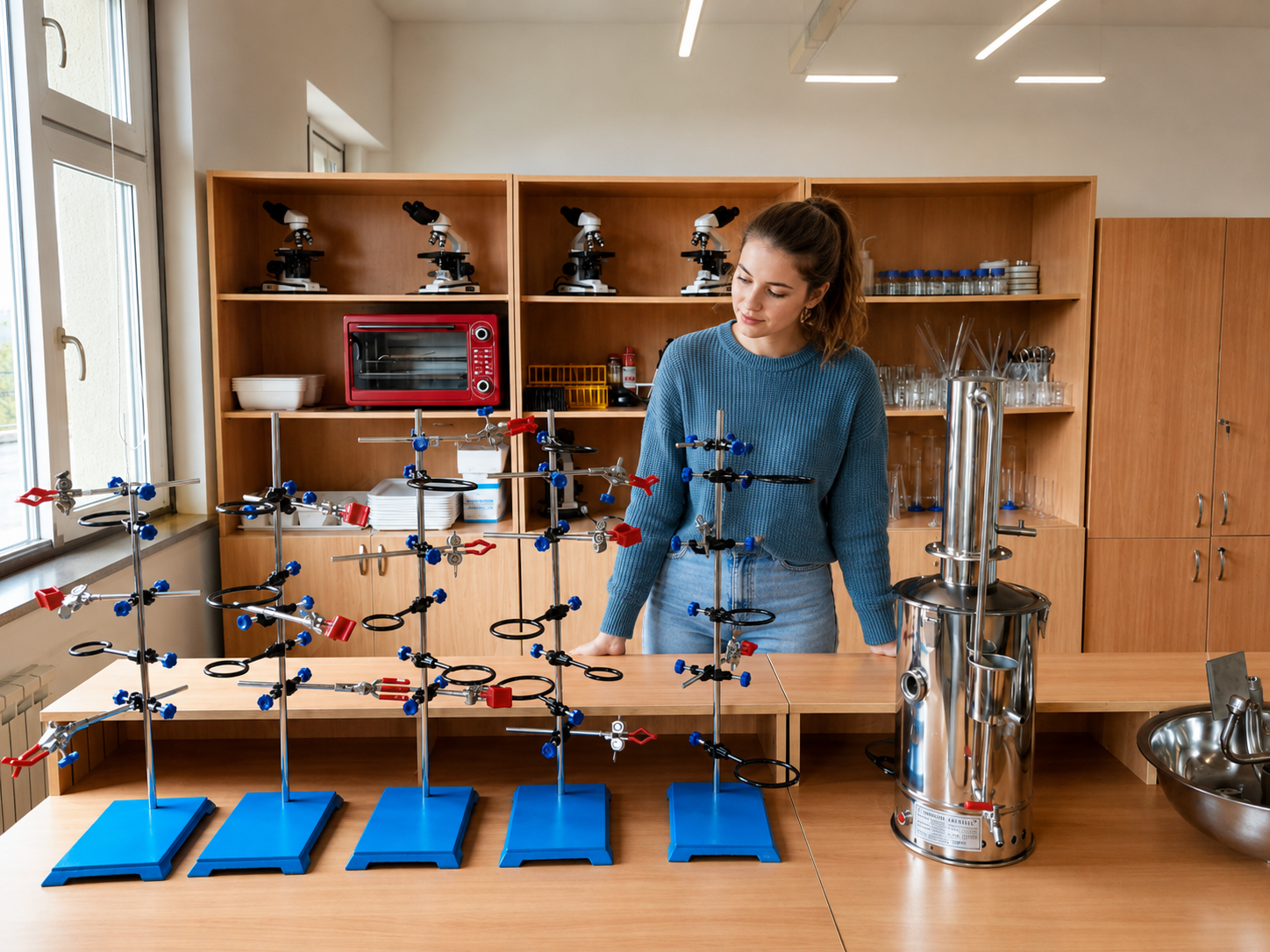
Equipping 439 schools: what a national STEM rollout actually takes
Armenia aims to equip every school with a science laboratory by the end of 2026. A look at the delivery layer of a 439-school rollout: seven laboratory configurations, 1.8 million items, 200+ localised teaching materials — and what ministries should ask suppliers.

Responsible AI in Education Starts Before the Algorithm
Responsible AI in education depends on knowing what your data actually represents. A UNOWA pilot study shows why measurement validity has to come before AI interpretation.
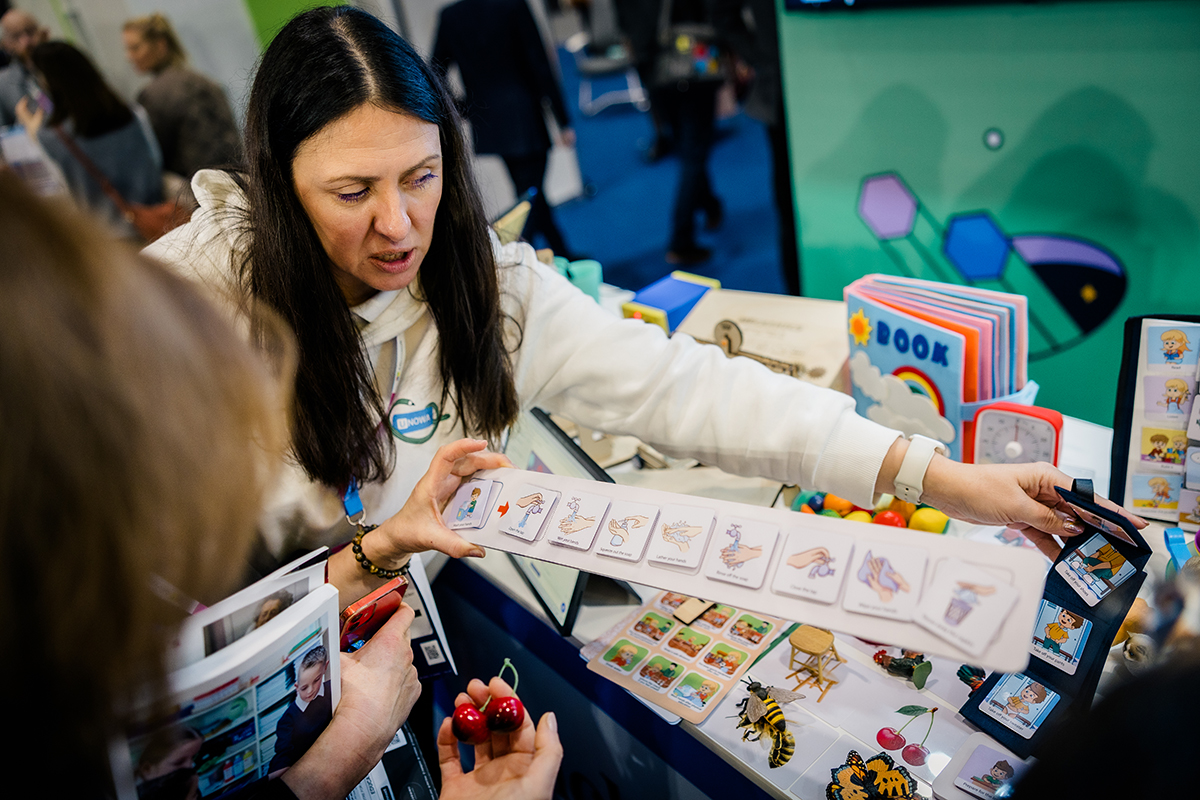
Differentiated Support in Inclusive Education: Why a Score Is Only the Start
Differentiated support in inclusive education starts where scoring ends. Here's why assessment should answer "what's getting in the way," not just "what's wrong."