On 22–23 April in Almaty, Kazakhstan, the HOPE AI Summit 2026 will bring together policymakers, educators, EdTech leaders, and innovators to discuss one of the most urgent questions in global education:
How do we move AI from promising tools to real educational impact?
That is the real value of this event.
The market no longer lacks platforms, assistants, generators, or pilots. What it lacks is implementation logic: how AI fits into national strategies, school systems, teacher workflows, inclusive classrooms, and measurable learning outcomes.
This is why the HOPE AI Summit matters.
Organized by HOPE | Help Others Pursue Education, the summit is designed not as another showcase of emerging tools, but as an international platform for serious discussion about how AI can be integrated into education responsibly, practically, and at scale. The agenda reflects that ambition. Across its programme, the summit addresses AI in education policy, classroom implementation, teacher support and workload reduction, data-driven decision-making, inclusion and accessibility, and future skills development.
For UNOWA, this is exactly the conversation that matters.

Why this summit is worth watching
There is no shortage of AI events today. But very few are built around the full educational system.
That is what makes HOPE AI Summit distinct.
The event brings together different layers of the education ecosystem in one place: decision-makers, practitioners, solution providers, and international experts. That matters because AI in education does not fail at the level of ideas. It fails when systems cannot translate ideas into everyday practice.
A ministry may approve a strategy.
A school may buy a solution.
A teacher may even receive training.
And yet implementation still stalls.
Why? Because the hard part is not access to technology. The hard part is building the operational bridge between policy, pedagogy, inclusion, and daily use.
This is also why the summit’s speaker lineup is notable. Alongside system thinkers and education leaders, the programme includes voices from major global players such as Google for Education and Canva, whose participation signals the event’s international relevance and practical orientation. Their presence matters not because big brands automatically guarantee impact, but because they show that the conversation in Almaty is not peripheral. It is connected to the broader global shift in how AI is entering education.
At the same time, the summit is not positioned around tools alone. It is positioned around application.
That is the right framing.
HOPE and the broader context behind the event
This summit did not appear in a vacuum.
HOPE | Help Others Pursue Education has already been building an international platform around inclusive education, innovation, and cross-sector dialogue in Kazakhstan. For UNOWA, this is not the first point of intersection.
We previously took part in the World Inclusion Congress 2025 in Almaty, where more than 3,000 participants from 40 countries came together around one central goal: making education more accessible for every child. That event showed something important. Kazakhstan is no longer just hosting conversations about educational transformation. It is increasingly positioning itself as a regional meeting point for those conversations.
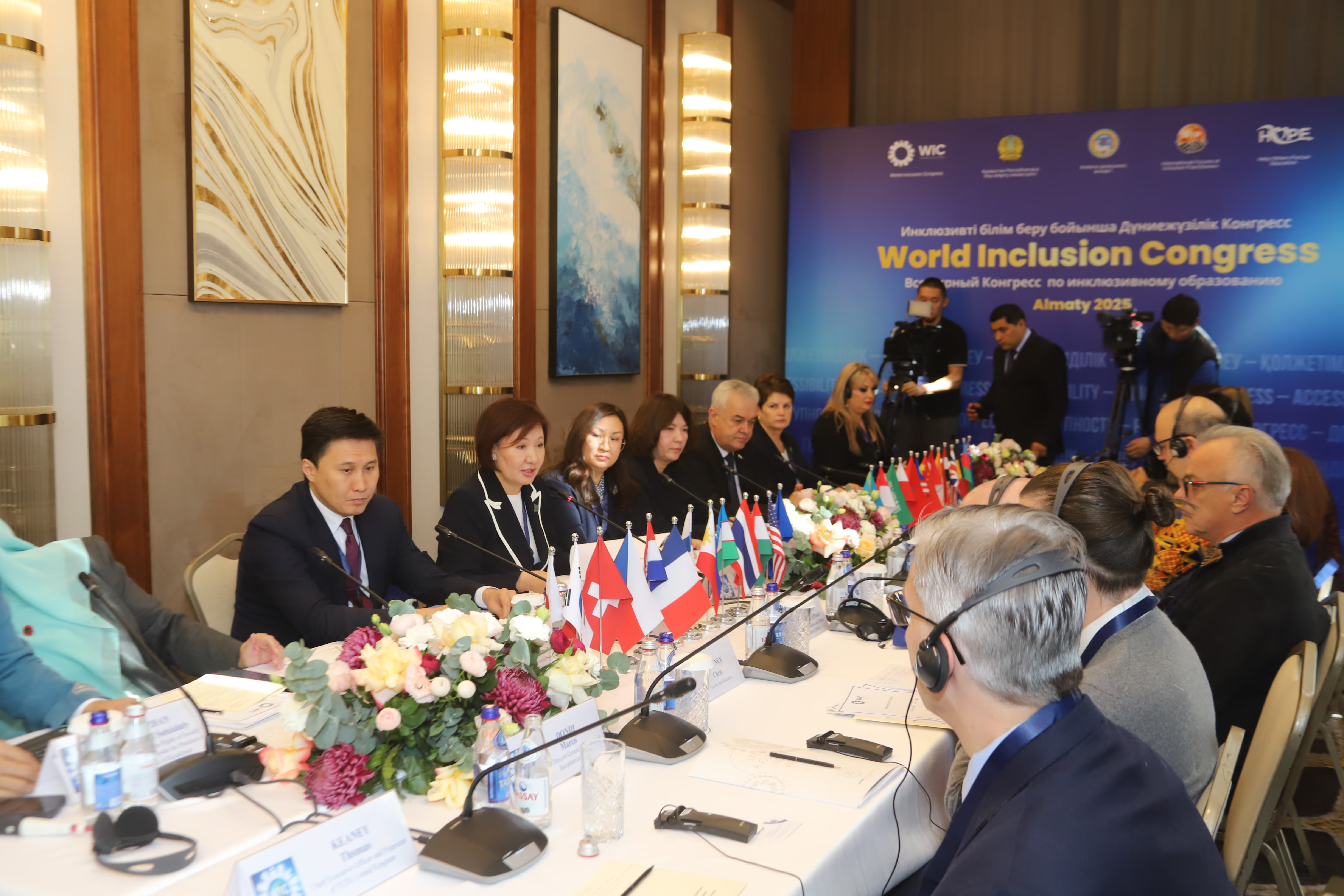
This matters for the AI in education agenda as well.
As education systems across regions look for scalable and responsible ways to implement AI, Central Asia is becoming a strategically important place for dialogue, pilot collaboration, and policy experimentation. In that sense, HOPE AI Summit is not just a local event with international guests. It is part of a broader effort to shape how the region participates in the future of education.
Why UNOWA is part of this conversation
UNOWA joins the summit with a clear perspective:
AI in education only becomes valuable when it is embedded into real systems.
For us, this is especially important in the context of inclusive education, where technology cannot be treated as a layer added on top of existing problems. It has to support diagnosis, decision-making, planning, teacher practice, and personalized learning pathways in a way that is usable in real classrooms.
This is where our work with MIKKO is central.
MIKKO is UNOWA’s AI-powered inclusive education system designed to help move inclusion from concept to implementation. It is built not around abstract digital optimism, but around the practical needs of teachers, specialists, families, and institutions. In parallel, our broader EdTech approach also includes AI-powered STEM solutions and full-cycle models that connect methodology, tools, training, and implementation support.
That system-level perspective is what UNOWA brings to the summit.
Not just how to introduce AI.
But how to make it work.
Mykhailo Kalitkin: a speaker shaped by practice, not theory
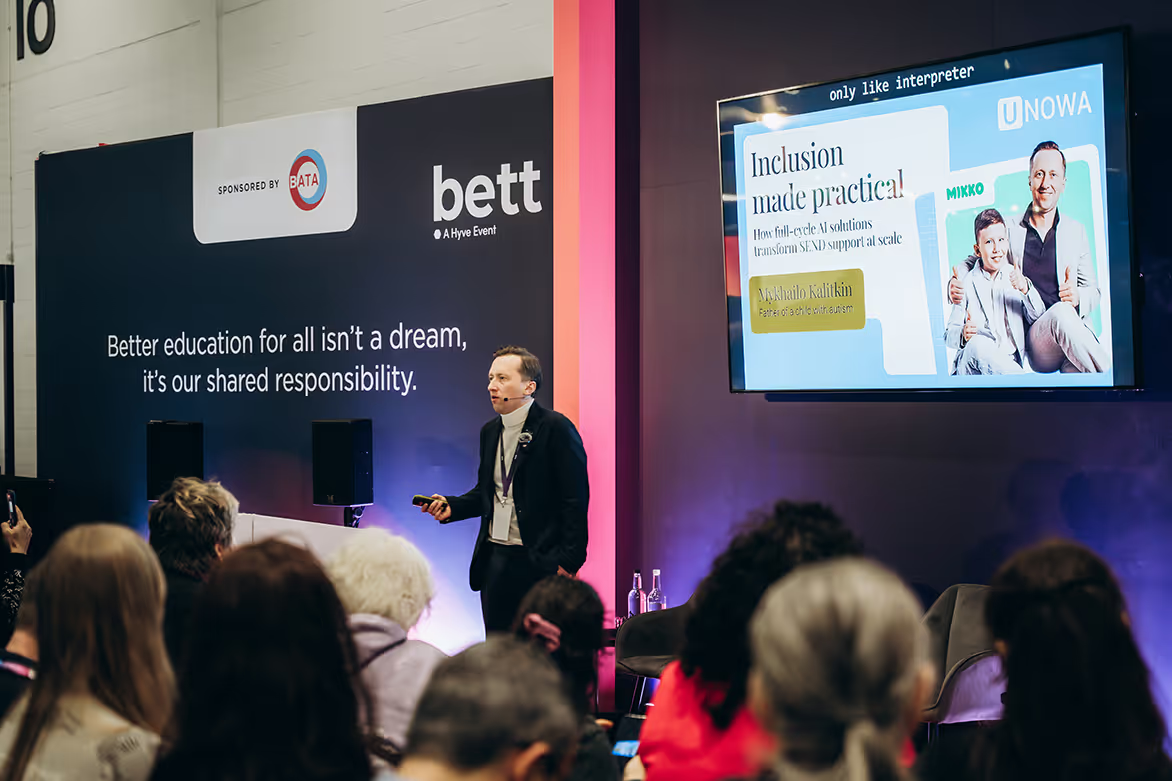
Representing UNOWA at the summit will be Mykhailo Kalitkin, Co-Founder and CEO of UNOWA.
Mykhailo brings more than 15 years of experience in education, with 30 international and 600 national educational projects behind him. He is the author of over 100 methodological guides, the developer of hands-on STEAM and inclusion solutions, and the founder of an R&D center.
But what makes his perspective particularly relevant is not only the scale of his professional background.
It is where this work began.
As a father of a child with autism, Mykhailo entered the field of inclusive education not through market analysis or trend forecasting, but through direct personal necessity. He had to search for effective support, build systems from scratch, test methods in practice, and confront the gap between what education promises and what families actually receive.
That experience shaped the logic behind MIKKO and, more broadly, UNOWA’s approach to implementation.
At HOPE AI Summit, Mykhailo will speak about how AI-powered solutions can move inclusive education from theory to real classroom practice. His contribution will focus on human-centered AI, the barriers that still prevent implementation in education systems, and practical cases UNOWA has addressed across its projects.
This is an important voice in today’s AI debate.
Many discussions still revolve around what tools can do.
Far fewer focus on what institutions are actually able to implement.
A programme built around real educational questions

Another strength of the summit is the breadth of perspectives it brings into one programme.
Among the featured speakers are experts working across policy, pedagogy, ethics, language learning, assessment, wellbeing, leadership, and inclusive reform.
Dan Fitzpatrick will address one of the most strategic questions in the field: what the purpose of education becomes in an AI-driven world.
Joe Dale, widely respected in modern language education, brings a pedagogy-first perspective on AI in language teaching, with a strong focus on practical classroom workflows rather than tool hype.
Tommy Wilson from Canva will contribute a perspective on AI-powered design tools for learning, including how visual tools can support teaching, understanding, and practical digital upskilling.
The summit also places visible emphasis on Google for Education, including dedicated workshop activity, reinforcing the practical side of the programme and the role of established digital ecosystems in school transformation.
Kasia Truszkowska will explore academic writing and assessment in the age of AI, with particular attention to metacognition, responsible integration, and critical thinking in higher education.
Johanna Grönhaug and Cecilia Svahn bring an important systems perspective on student health, crisis preparedness, and preventive school development, showing how AI can support schools not only academically, but structurally.
Abena Akuffo-Kelly adds a human-centered governance lens, focusing on ethical integration, leadership capacity, and the need to protect the human core of education as technology accelerates.
Jonas Carrass contributes a perspective on safe AI and Nordic pedagogy, including questions of responsible implementation and data protection.
Dr. Heidi Cavanagh joins the programme with expertise in inclusive and equitable school reform.
James Blomfield FRSA, AI for Education Consultant at HOPE, helps frame the summit’s wider conversation as moderator, bringing a strong focus on human-centred AI, ethics, teacher development, and implementation across education systems.
And the broader summit conversation also includes high-level policy and public leadership voices, among them Lord Jim Knight and Dr. May Agius.
This range is important.
It shows that the summit is not trying to reduce AI in education to a single narrative. It recognizes that implementation is multi-layered. It involves governance, ethics, teacher practice, assessment, student wellbeing, accessibility, and institutional change.
That is a far more serious conversation than simply asking which tool is trending.
What this means for partners, distributors, and EdTech stakeholders
For partners, distributors, and ecosystem players, the relevance of HOPE AI Summit goes beyond attendance.
It offers a view into where the market is maturing.
The next phase of AI in education will not be defined by who can demonstrate the most features. It will be defined by who can build trust, fit into educational systems, support educators, and prove implementation value over time.
That is especially true in inclusion.
Inclusive education is often where systems reveal their real level of maturity. It is easy to talk about innovation. It is harder to design solutions that work for diverse learners, reduce pressure on teachers, and remain usable across institutions.
This is why events like HOPE AI Summit matter.
They create space not only for visibility, but for alignment: between policy ambition, institutional need, and practical solutions.
For UNOWA, participating in this summit is part of a broader mission to contribute to that alignment.
Because the future of AI in education will not be decided by tools alone.
It will be decided by implementation.
And that is the conversation we are coming to Almaty to have.

Check out other articles
Explore the latest perspectives from our digital research team

Equipping 439 schools: what a national STEM rollout actually takes
Armenia aims to equip every school with a science laboratory by the end of 2026. A look at the delivery layer of a 439-school rollout: seven laboratory configurations, 1.8 million items, 200+ localised teaching materials — and what ministries should ask suppliers.

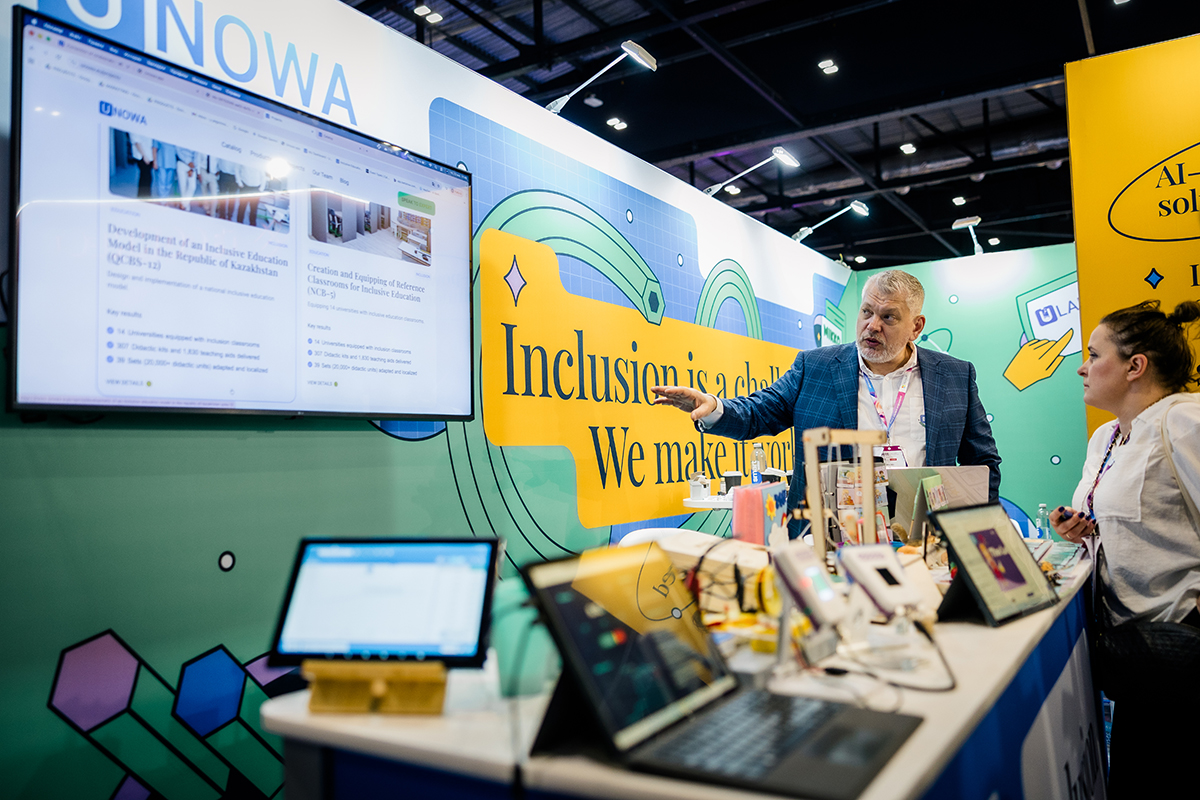
Responsible AI in Education Starts Before the Algorithm
Responsible AI in education depends on knowing what your data actually represents. A UNOWA pilot study shows why measurement validity has to come before AI interpretation.
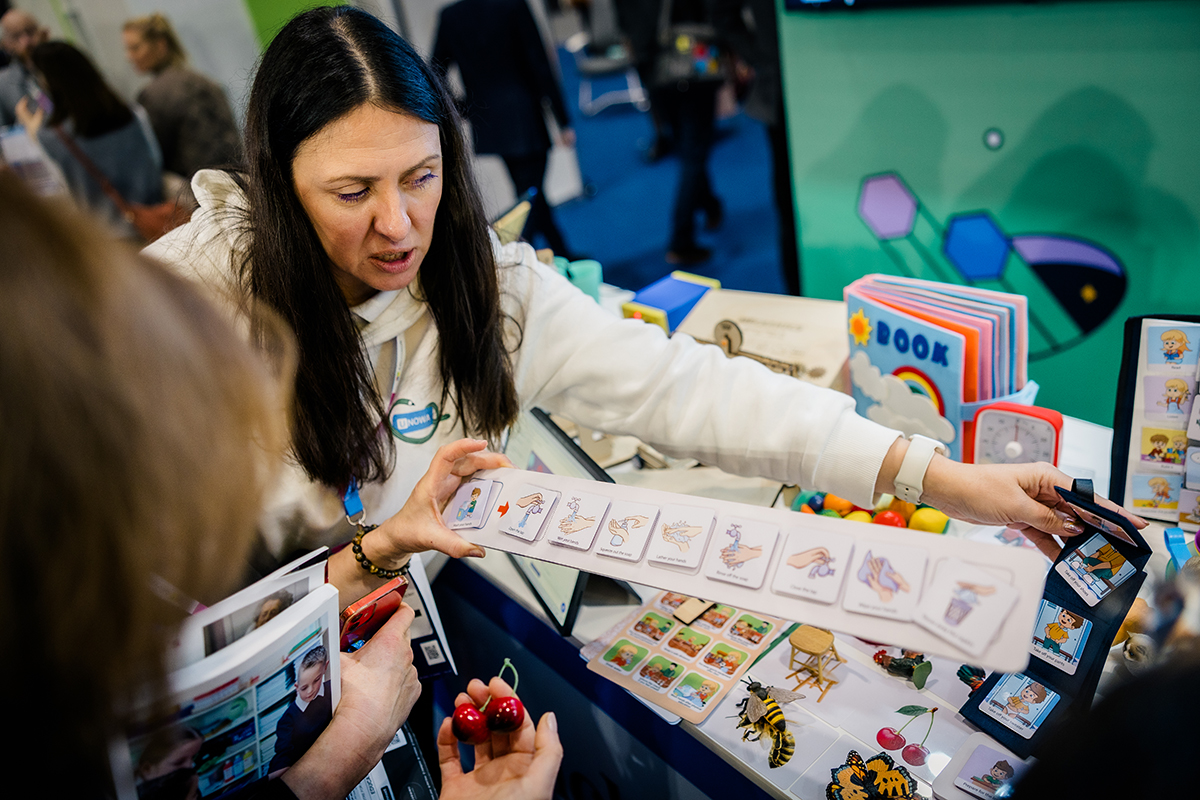
Differentiated Support in Inclusive Education: Why a Score Is Only the Start
Differentiated support in inclusive education starts where scoring ends. Here's why assessment should answer "what's getting in the way," not just "what's wrong."