

Did you know that 89% of students now favor short, stackable credentials over traditional degrees, signaling a seismic shift in how we prepare learners for the future? In this article, we explore key curriculum reform trends, drawing on global insights to highlight inclusive, adaptable, and innovative strategies that empower educators and institutions — positioning us at UNOWA as your partner in transforming education.
Emerging Curriculum Reform Trends Worldwide
As education evolves, curriculum reform trends are increasingly focusing on skills-based and competency-focused learning to meet the demands of a rapidly changing world. According to recent data, institutions are prioritizing AI integration for personalized learning pathways, enabling granular measurement of skills that align with job market needs. This shift is evident in the rise of micro-credentials, which are becoming embedded into credit pathways, making education more flexible and accessible.
Hybrid and digital-first models are no longer temporary fixes but core components of modern curricula. Interdisciplinary programs are outpacing traditional ones, with a strong emphasis on applied competencies like AI fluency and sustainability. For instance, demographic pressures, including a projected 15-year decline in first-time undergraduates starting in 2026, are driving reforms toward lifelong learning and non-traditional pathways.
These trends underscore our commitment at UNOWA to delivering adaptable solutions, such as our MIKKO inclusive education tools and Ulabs STEM innovation platforms, tailored to national standards. Explore more about our offerings at UNOWA.
Addressing Equity and Inclusivity in Reforms
A core pillar of today's curriculum reform trends is equity and accessibility, ensuring every learner — regardless of background or ability — can thrive. Global efforts highlight the need for inclusive education, with hybrid models serving diverse groups, including those in remote areas or with special needs. Professional advice from experts emphasizes embedding compassion into reforms, as seen in policies promoting accessibility for students with varying needs.
For example, organizations like UNESCO advocate for equitable education systems through guidelines that integrate digital tools for inclusivity. We at UNOWA align with this by providing materials for special education needs (SEN), fostering environments where all students succeed. Recent news from the World Bank points to successful projects in emerging markets, where adaptable curricula have improved outcomes by 20-30% in equity metrics.
- Key strategies for inclusive reforms:
- Prioritize competency-based assessments to accommodate diverse learning styles.
- Integrate AI for personalized support, reducing barriers for underrepresented groups.
- Collaborate with local authorities to align with national policies, ensuring cultural relevance.
Learn more from credible sources like the UNESCO Inclusive Education Report and World Bank Education Reforms.
Overcoming Challenges with Proven Strategies
While curriculum reform trends promise innovation, challenges like enrollment declines and resource gaps persist. Expert insights reveal that purposeful AI integration — beyond pilots — can address these by enhancing teaching and assessment. In regions facing demographic shifts, strategies from global projects recommend focusing on future-ready skills, such as sustainability and digital literacy.
Drawing from over 15 years of experience, we at UNOWA have delivered solutions in more than 300 national projects, helping institutions navigate these hurdles. For instance, recent policies from the OECD emphasize competency frameworks that prepare students for interdisciplinary careers, with statistics showing a 25% increase in employability through such reforms.
Unique insights from reform leaders, like those shared in the European Commission's reports, highlight the importance of local adaptability. As one expert notes, "Curriculum reform must be rooted in community needs to drive real impact" (European Commission Education Strategy). We empower partners by offering training and analytics that turn these challenges into opportunities.
Positioning for Future-Ready Education
Looking ahead, curriculum reform trends will emphasize sustainability and global competencies, preparing learners for a world of uncertainty. By sharing proven strategies from our work in EU, MENA, and CIS regions, we aim to shape discourse on inclusive, adaptable education. Our tools, like curriculum-aligned content and analytics, ensure large-scale impact while maintaining cultural relevance.
For deeper insights, refer to the OECD Future of Education Report and McKinsey Education Insights.
FAQ
What are the top curriculum reform trends in 2024? Leading trends include skills-based learning, AI integration, and hybrid models, with 89% of students preferring stackable credentials for flexibility (Source: Higher Education Trends Report).
How does UNOWA support inclusive curriculum reforms? We provide MIKKO tools for inclusive education and Ulabs for STEM, adaptable to national standards — empowering institutions worldwide. Visit UNOWA for details.
What challenges do curriculum reforms face globally? Key issues include demographic declines and equity gaps, with a 15-year drop in undergraduates projected from 2026, addressed through innovative, competency-focused strategies.
Why is local adaptability important in curriculum reform? It ensures reforms meet regional needs, as per UNESCO guidelines, enhancing relevance and impact in diverse geographies (UNESCO Education Policies).
How can institutions get started with curriculum reform? Begin with assessments of current needs, integrate digital tools, and partner with experts like us at UNOWA for tailored solutions and consultations.

Check out other articles
Explore the latest perspectives from our digital research team
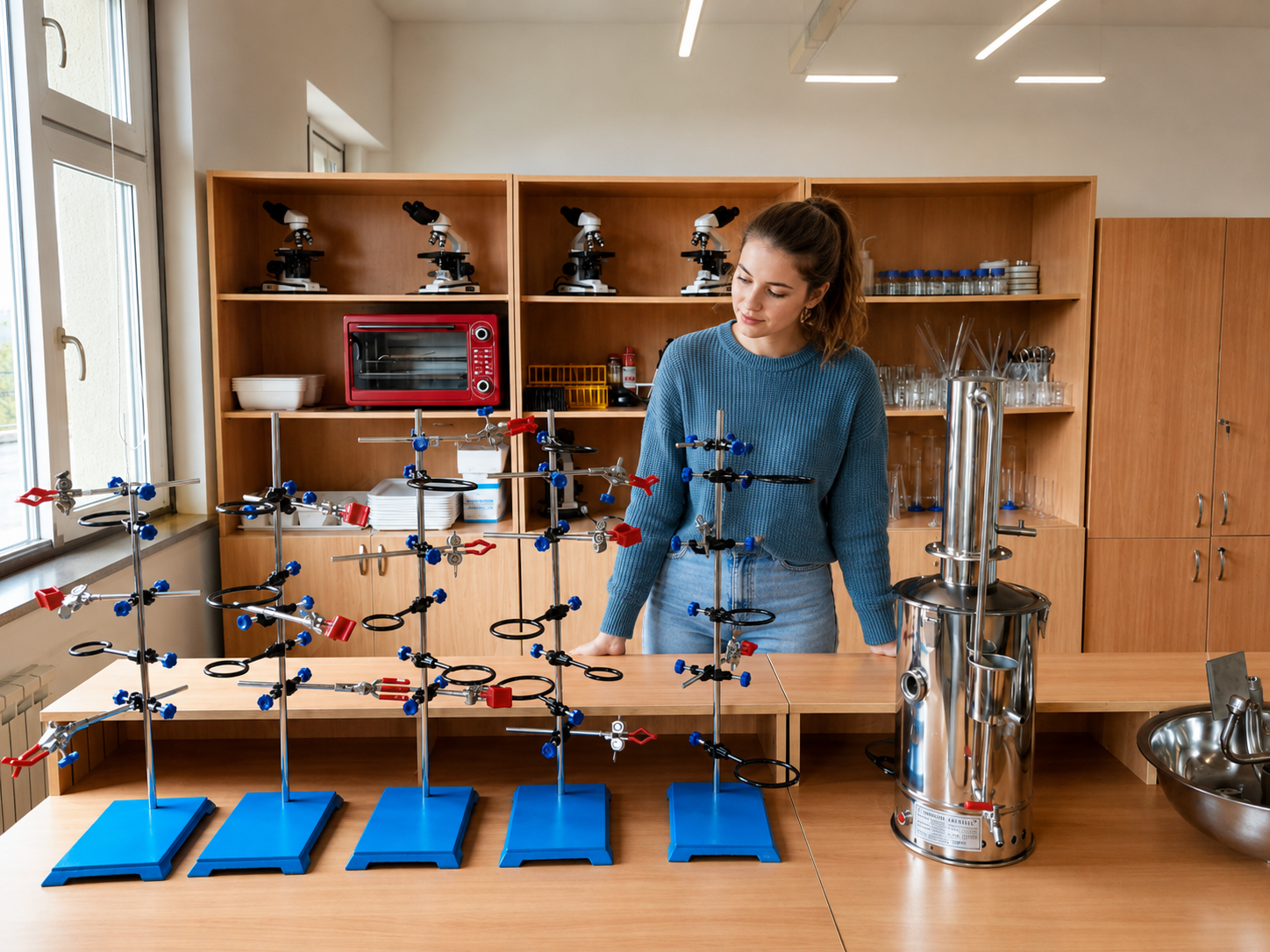
Equipping 439 schools: what a national STEM rollout actually takes
Armenia aims to equip every school with a science laboratory by the end of 2026. A look at the delivery layer of a 439-school rollout: seven laboratory configurations, 1.8 million items, 200+ localised teaching materials — and what ministries should ask suppliers.

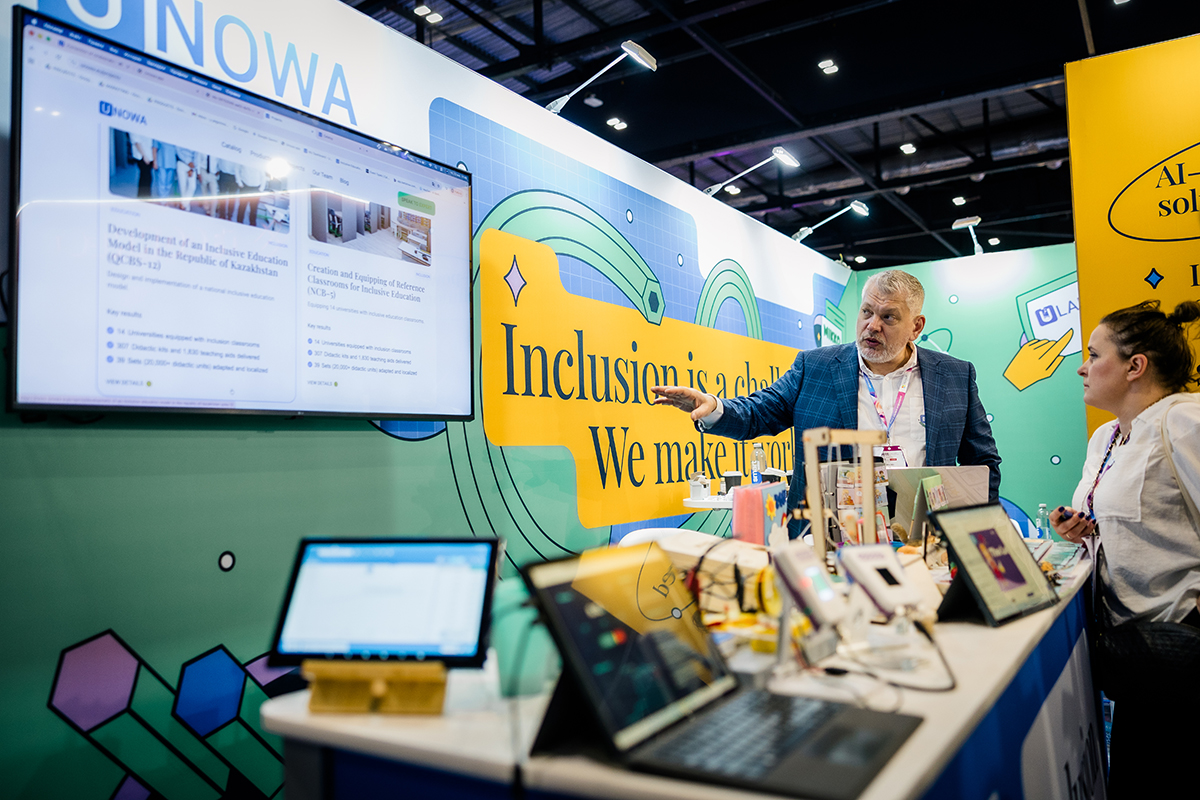
Responsible AI in Education Starts Before the Algorithm
Responsible AI in education depends on knowing what your data actually represents. A UNOWA pilot study shows why measurement validity has to come before AI interpretation.
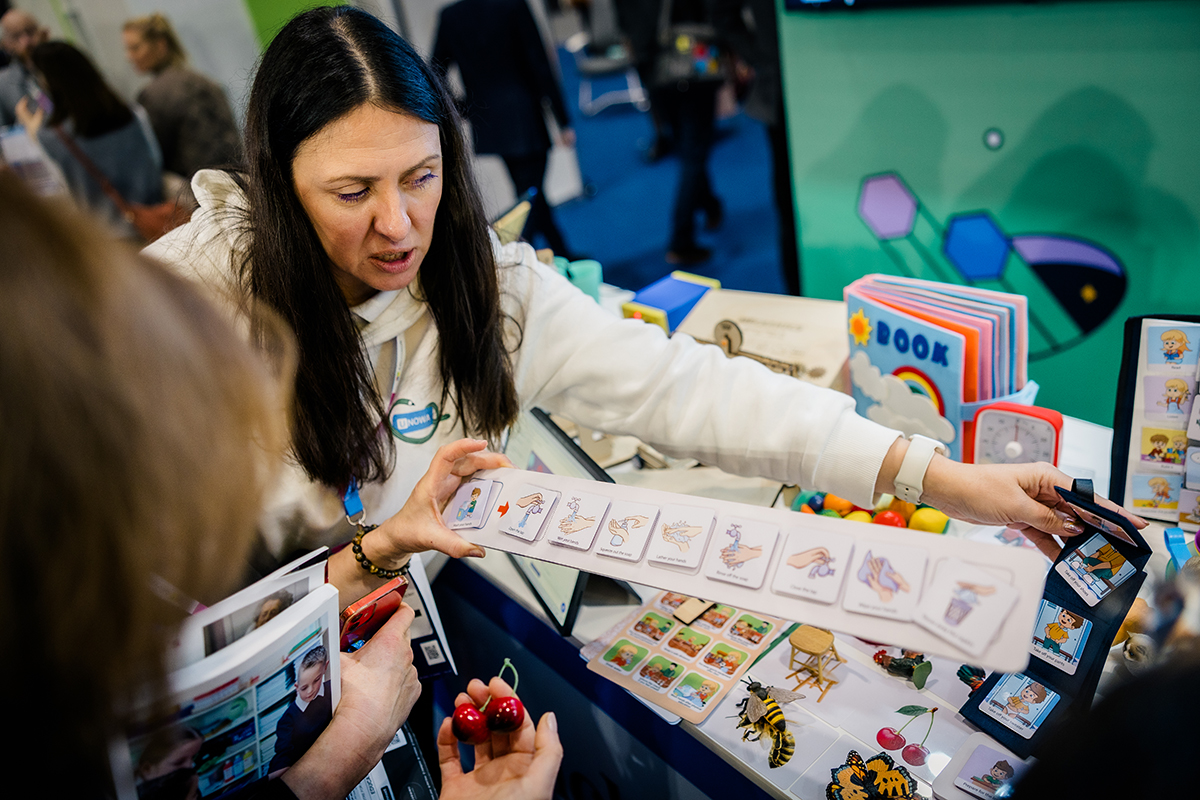
Differentiated Support in Inclusive Education: Why a Score Is Only the Start
Differentiated support in inclusive education starts where scoring ends. Here's why assessment should answer "what's getting in the way," not just "what's wrong."