Did you know that by 2030, 85% of jobs will require digital skills that don't even exist today? This startling projection from the World Economic Forum underscores the urgent need for 21st century skills education to prepare students for an unpredictable future. In this article, we'll explore the core components of 21st century skills education, its integration with inclusive and STEM-focused learning, global challenges and strategies, and how we at UNOWA are driving transformative solutions. Drawing from proven frameworks and regional insights, we'll provide actionable advice to empower educators and institutions.
The Foundations of 21st Century Skills Education
21st century skills education builds on frameworks like the Partnership for 21st Century Skills (P21), which emphasizes the 4Cs: critical thinking, collaboration, communication, and creativity. These are complemented by digital literacy, problem-solving, and adaptability, as outlined in the U.S. Secretary of Labor's SCANS report from 1991 and updated by organizations like the OECD.pdf). Emerging over two decades ago amid rapid technological shifts, this approach shifts from rote learning to holistic preparation for a global, digital workforce.
Key skill categories include:
- Learning Skills (4Cs): Enabling students to solve complex problems and innovate.
- Literacy Skills: Such as digital literacy to navigate information overload and combat misinformation.
- Life Skills: Like adaptability and leadership for thriving in dynamic environments.
Statistics highlight the stakes: Employers value these skills over traditional degrees, with critical thinking and collaboration topping lists for future-ready workers, according to the World Economic Forum's Future of Jobs Report.
Integrating with Inclusive and STEM Education
At UNOWA, we champion 21st century skills education that aligns with inclusive education and STEM innovation. For instance, our MIKKO system supports personalized learning for diverse needs, including special education, while Ulabs fosters hands-on STEM through problem-solving and technology literacy. This integration ensures every child, regardless of abilities, accesses quality education — echoing our belief that "every child deserves access to quality education," as per inclusive guidelines from UNESCO.
In regions like the EU (e.g., Poland and Estonia), MENA (e.g., UAE and Saudi Arabia), and CIS (e.g., Kazakhstan and Georgia), policies are evolving to incorporate these skills. For example, Estonia's digital education reforms emphasize digital literacy, adapting to national standards for large-scale impact. We empower institutions with curriculum-aligned tools, drawing from over 15 years of experience in more than 300 national projects.
Challenges and Proven Strategies
Implementing 21st century skills education faces hurdles like assessing non-traditional skills — traditional tests often miss real-world application, as noted by Edutopia. Teacher training gaps and resource limitations exacerbate this, particularly in emerging markets.
Proven strategies include:
- Project-based learning: Align curricula with real-world demands for personalized instruction.
- Teacher development programs: Address knowledge gaps in the 4Cs through targeted training.
- Innovative assessments: Use tech tools to measure skill growth collaboratively.
- Local adaptation: Define graduate competencies based on regional job markets, sustaining integration across subjects.
Expert insight from Tony Wagner, author and education innovator: "The world no longer cares how much you know; it cares what you can do with what you know." This aligns with our forward-looking approach at UNOWA, where we deliver adaptable systems for transformative results.
UNOWA's Role in Educational Transformation
We at UNOWA are at the forefront of 21st century skills education, offering comprehensive solutions like inclusive MIKKO programs and STEM-focused Ulabs. Our analytics and training empower educators to foster critical thinking and collaboration, positioning us as a trusted partner in global reforms. With a strong presence in the EU, MENA, and CIS, we've supported projects that integrate these skills into national curricula, creating brighter futures.
For more on our innovative products, visit UNOWA and let's collaborate to transform learning experiences.
FAQ
What are the core components of 21st century skills education? The core includes the 4Cs (critical thinking, collaboration, communication, creativity), plus digital literacy, problem-solving, and adaptability, as defined by frameworks like P21.
How does 21st century skills education support inclusive learning? It promotes personalized, collaborative approaches that address diverse needs, ensuring accessibility for all students, including those in special education.
What challenges do institutions face in implementing these skills? Key issues include assessment difficulties, teacher training gaps, and resource constraints, but strategies like project-based learning can overcome them.
How can UNOWA help with 21st century skills education? We provide adaptable systems, training, and analytics tailored to national standards — contact us at UNOWA for a consultation.
Are there regional policies supporting this in the EU, MENA, and CIS? Yes, initiatives like Estonia's digital reforms and UAE's Vision 2021 emphasize these skills, aligning with global guidelines from OECD.pdf).

Check out other articles
Explore the latest perspectives from our digital research team
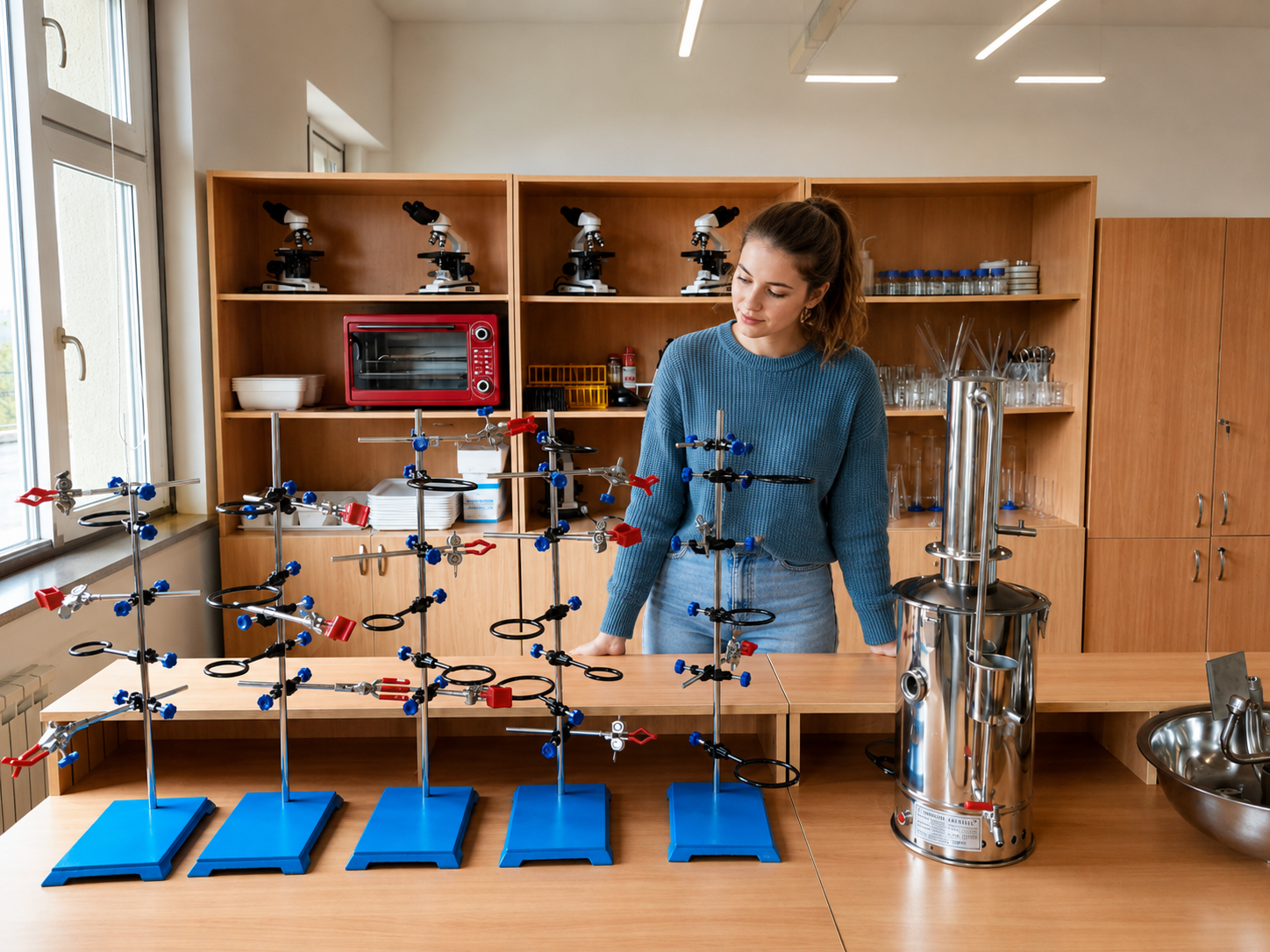
Equipping 439 schools: what a national STEM rollout actually takes
Armenia aims to equip every school with a science laboratory by the end of 2026. A look at the delivery layer of a 439-school rollout: seven laboratory configurations, 1.8 million items, 200+ localised teaching materials — and what ministries should ask suppliers.

Responsible AI in Education Starts Before the Algorithm
Responsible AI in education depends on knowing what your data actually represents. A UNOWA pilot study shows why measurement validity has to come before AI interpretation.
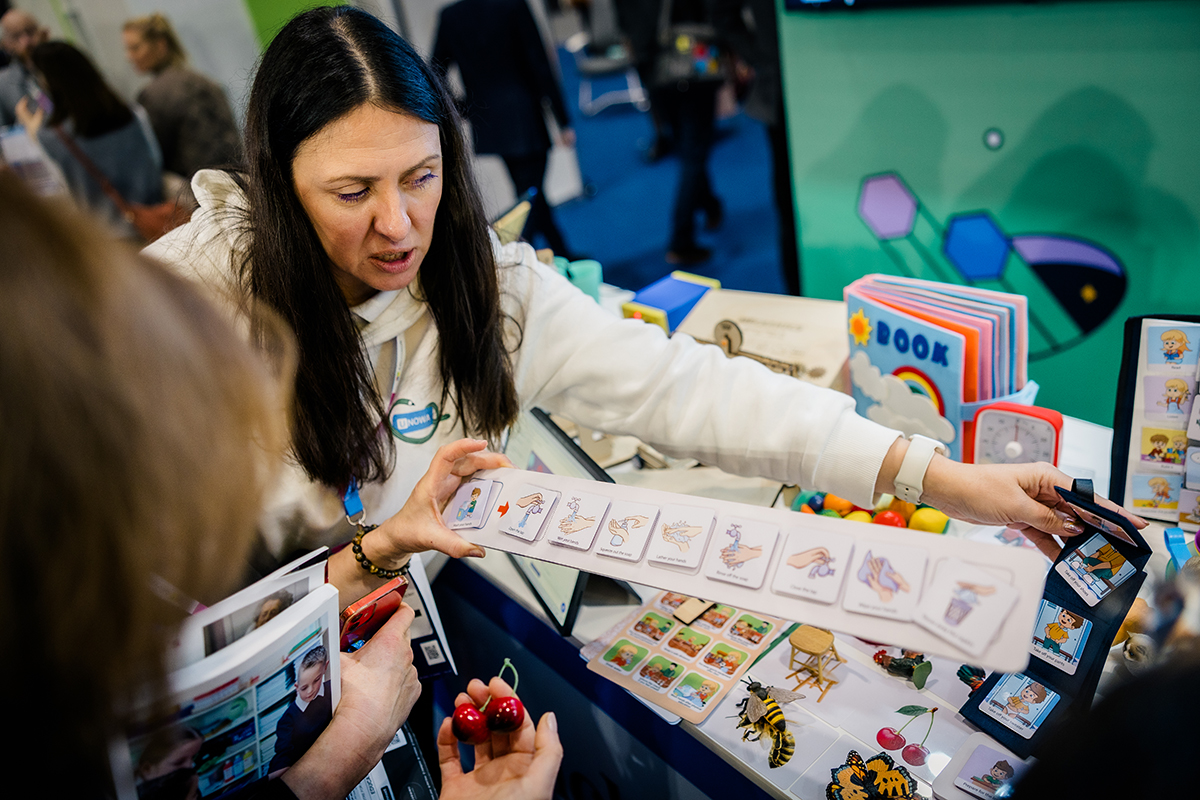
Differentiated Support in Inclusive Education: Why a Score Is Only the Start
Differentiated support in inclusive education starts where scoring ends. Here's why assessment should answer "what's getting in the way," not just "what's wrong."