Modernisation of Vocational Education and Training Infrastructure in Ukraine
As part of the EU-funded EU4Skills programme, UNOWA supplied modern training and laboratory equipment to eight vocational education institutions across Ukraine, strengthening practice-oriented learning aligned with labour-market needs. One of the key projects was the modernisation of the Rivne Vocational College of Restaurant and Hotel Business.

Project overview
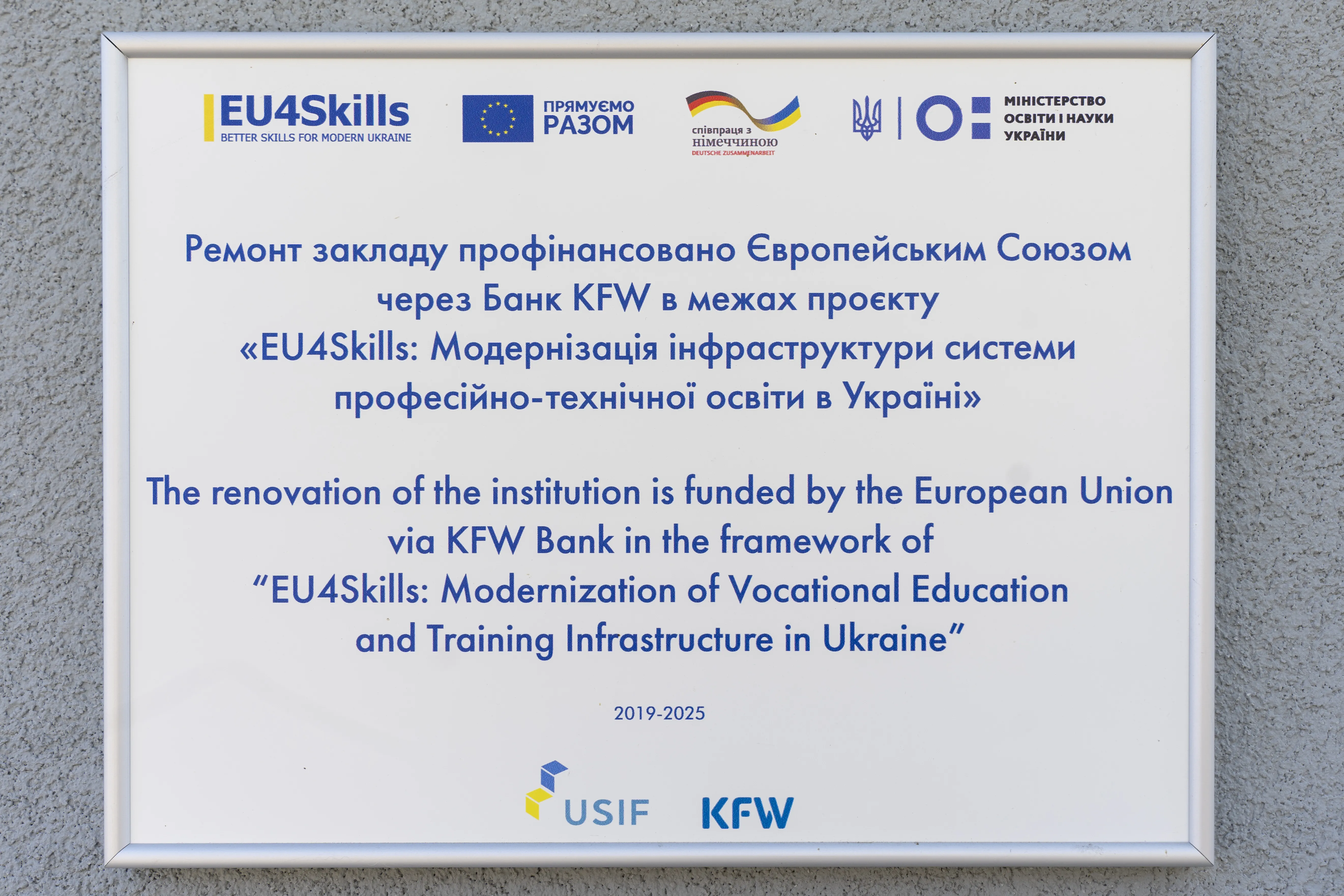
As part of the EU-funded EU4Skills initiative: Modernisation of Vocational Education Infrastructure in Ukraine project, which is being implemented by the German Development Bank KfW in cooperation with the Ukrainian Social Investment Fund, UNOWA has played a significant role in strengthening the material and technical resources of vocational education institutions across Ukraine. With equipment supplies totalling over €1.5 million, UNOWA provided modern digital learning solutions, food technology laboratories, automotive and mechanical workshops, and STEM training environments. This directly enhanced the practical component of vocational education, aligning it with European standards.
Key results
UNOWA equipment supplied
vocational institutions supported
expansion of training facilities
more students trained
total EU investment
spent for training equipment and furnishings
Project details
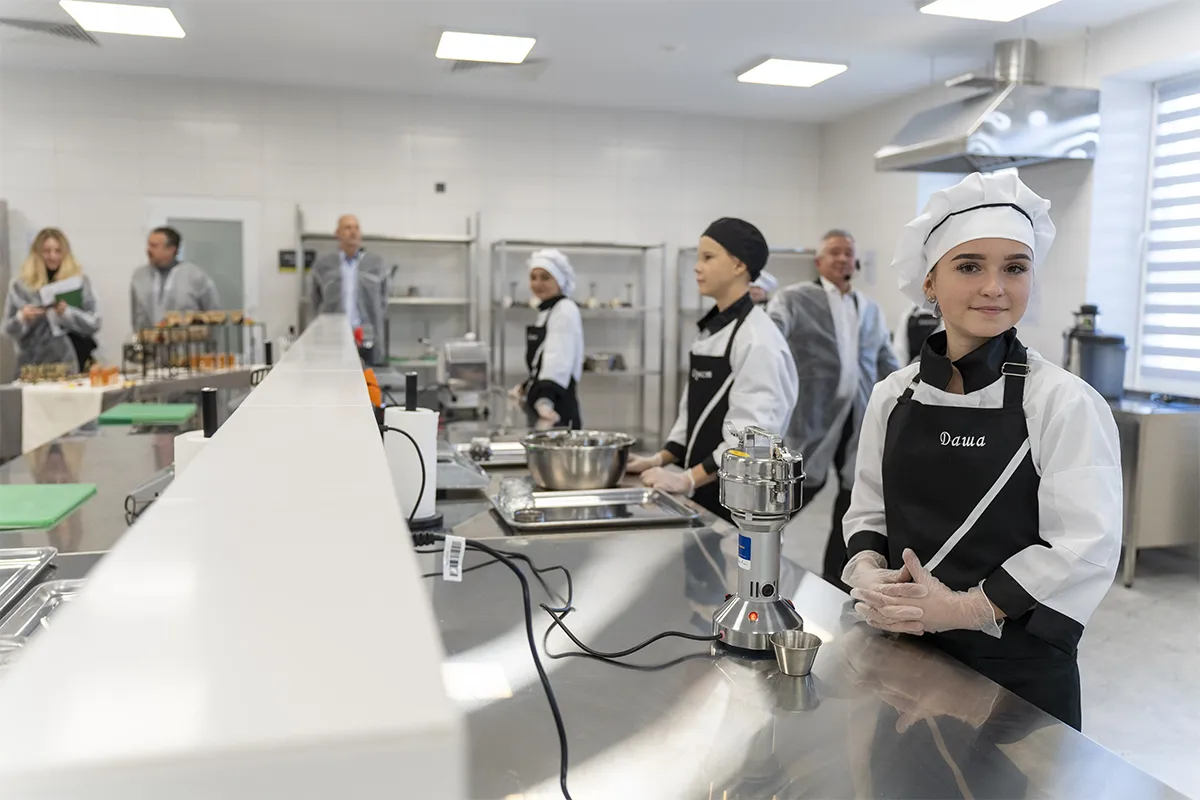
Within the EU4Skills programme, UNOWA contributed to the modernisation of the Rivne Professional College of Restaurant and Hotel Business, one of eight vocational education institutions upgraded across seven regions of Ukraine. The company supplied specialised, high-tech equipment that enabled the creation of modern, practice-oriented learning environments aligned with real industry standards.
UNOWA’s contribution included:
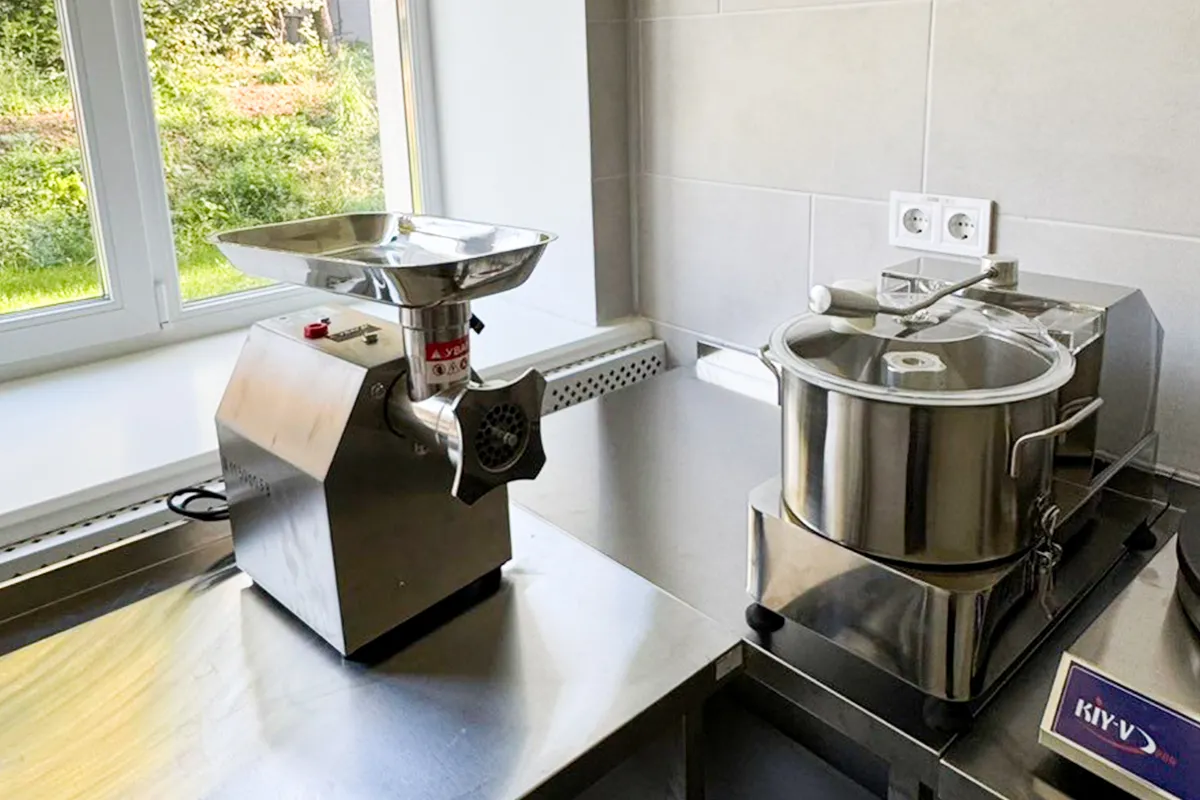
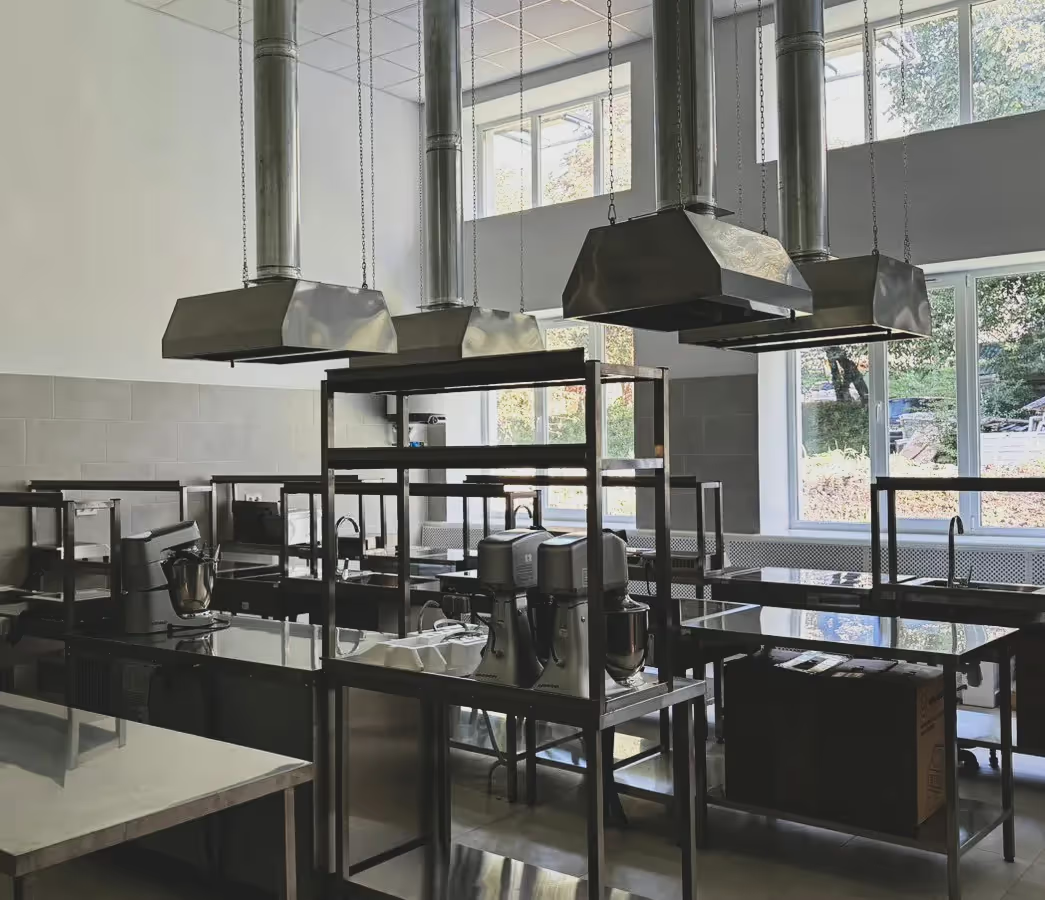
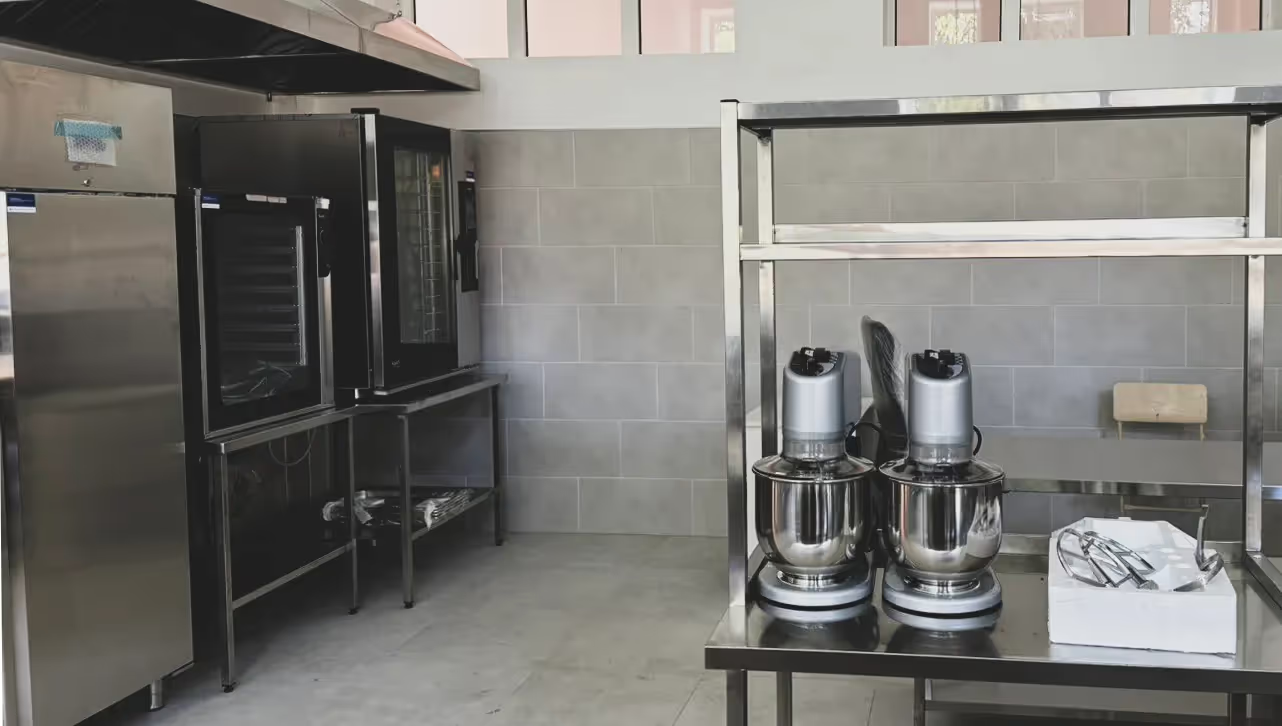
- delivery of advanced educational technology and machinery for newly established food-technology laboratories;
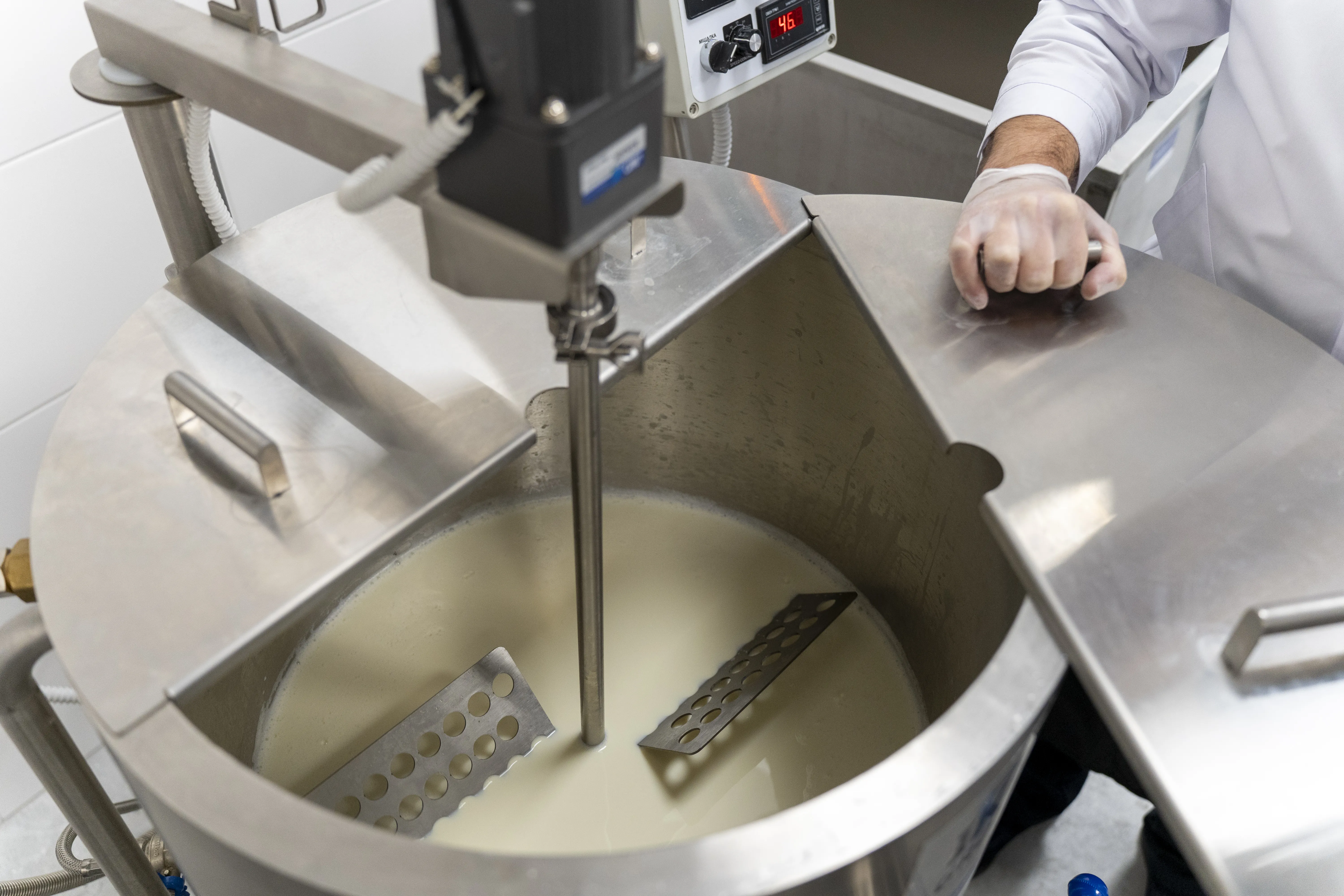
- equipping specialised facilities for dairy processing and brewing technologies;
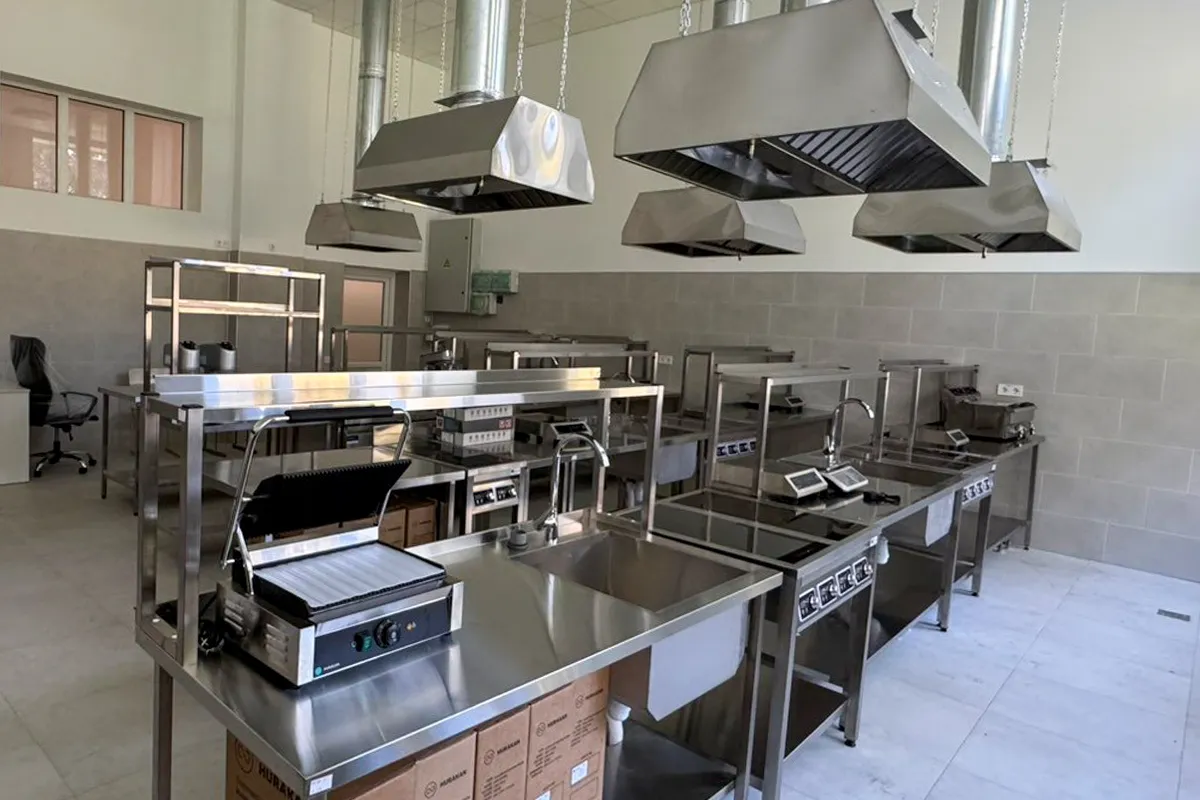
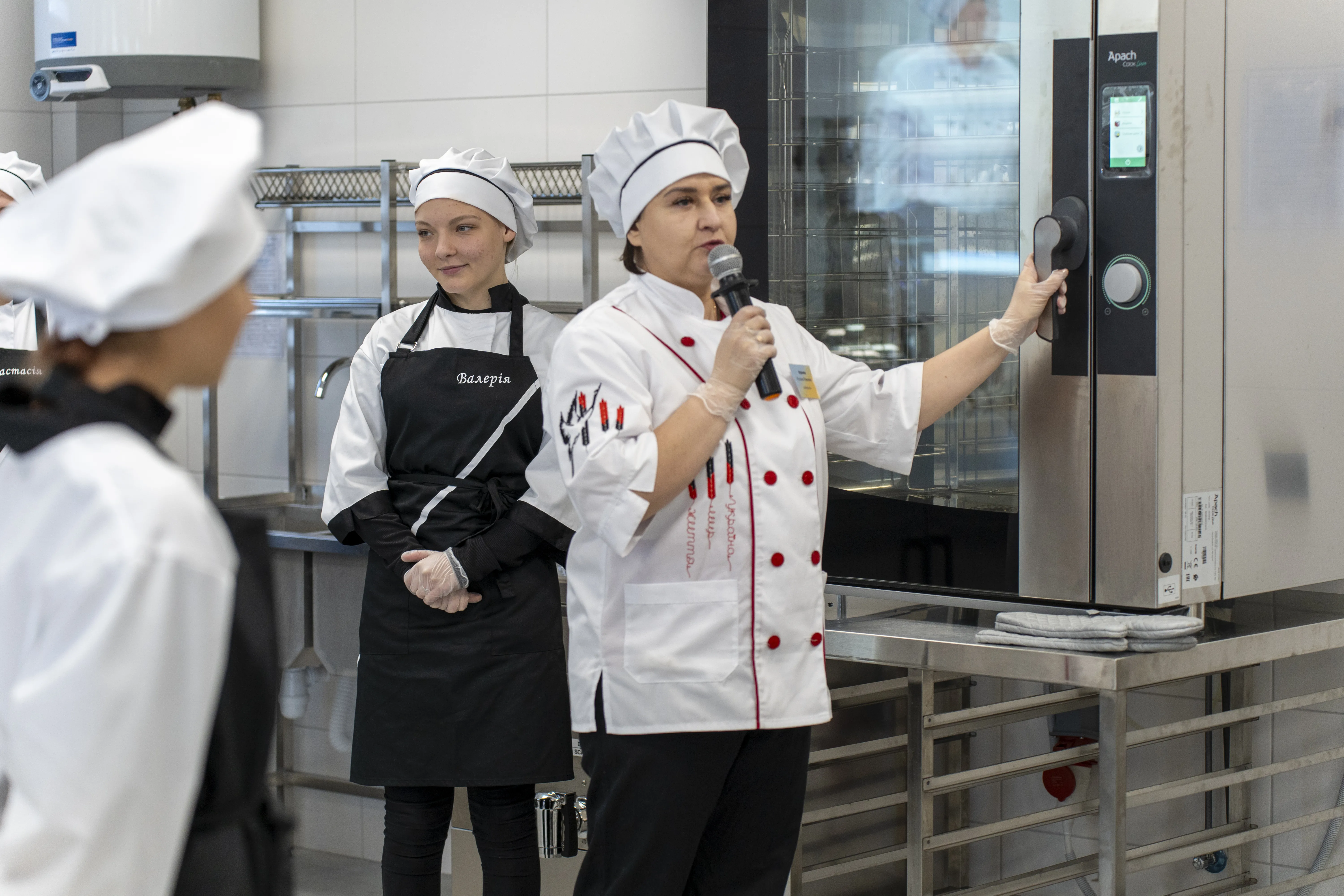
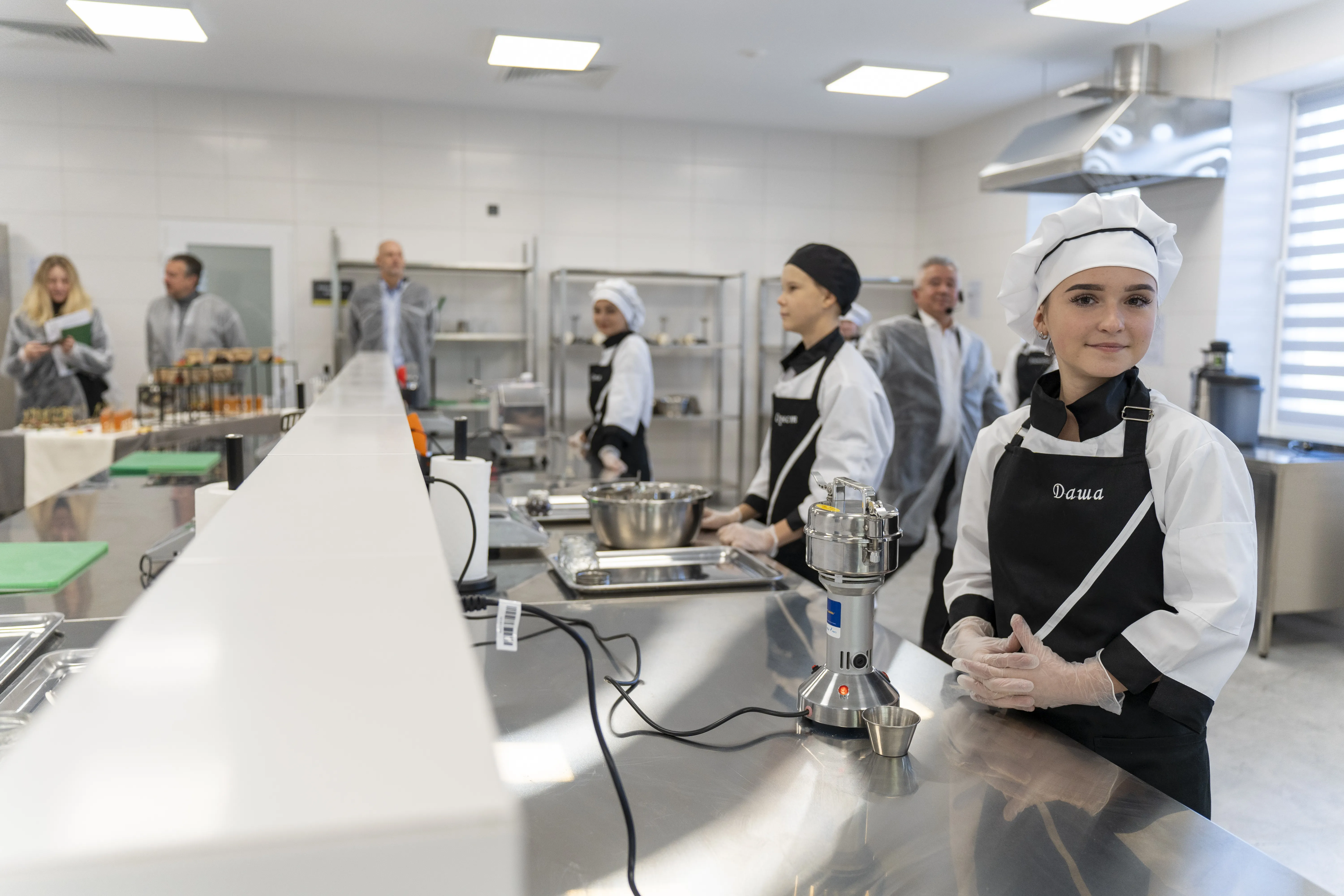
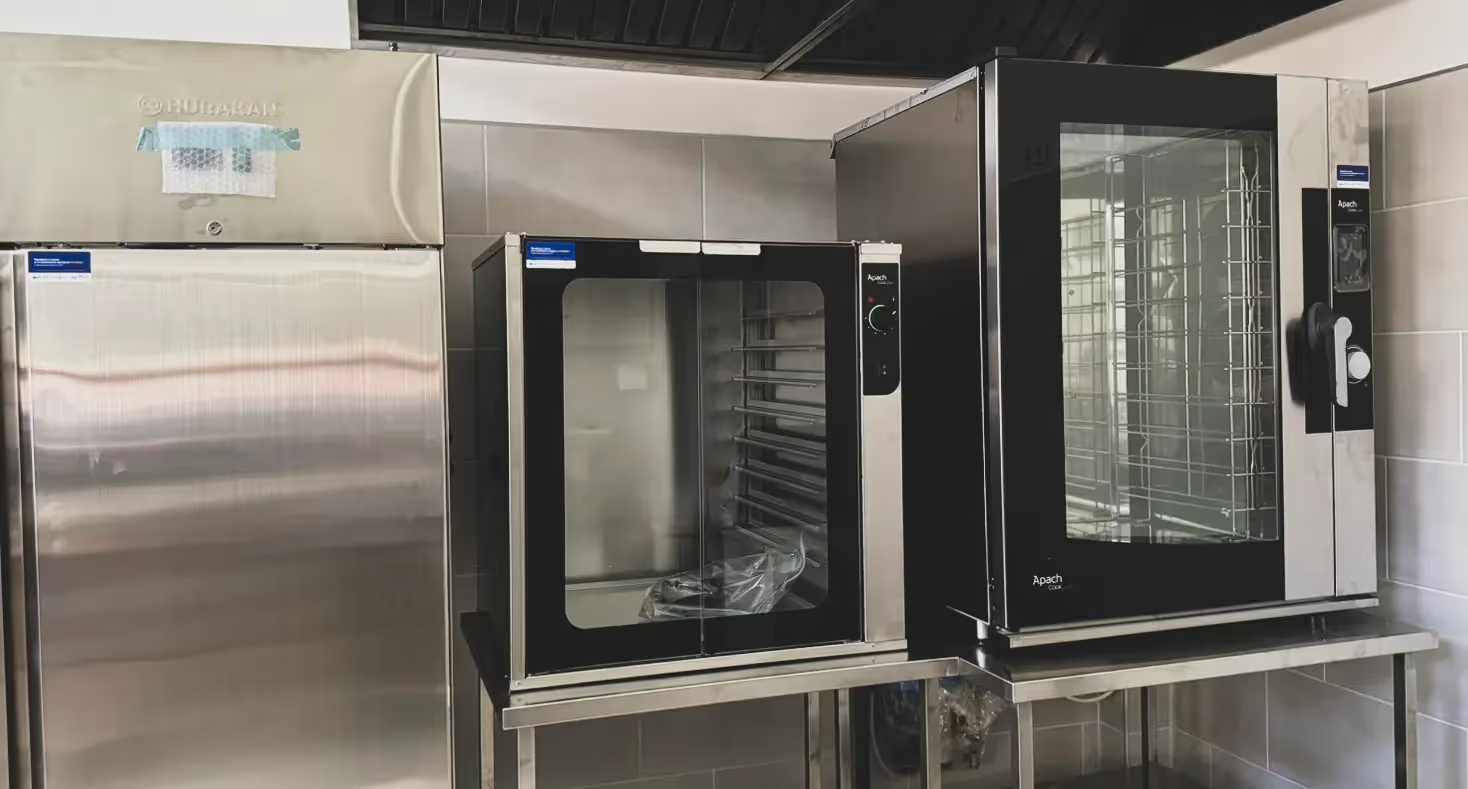
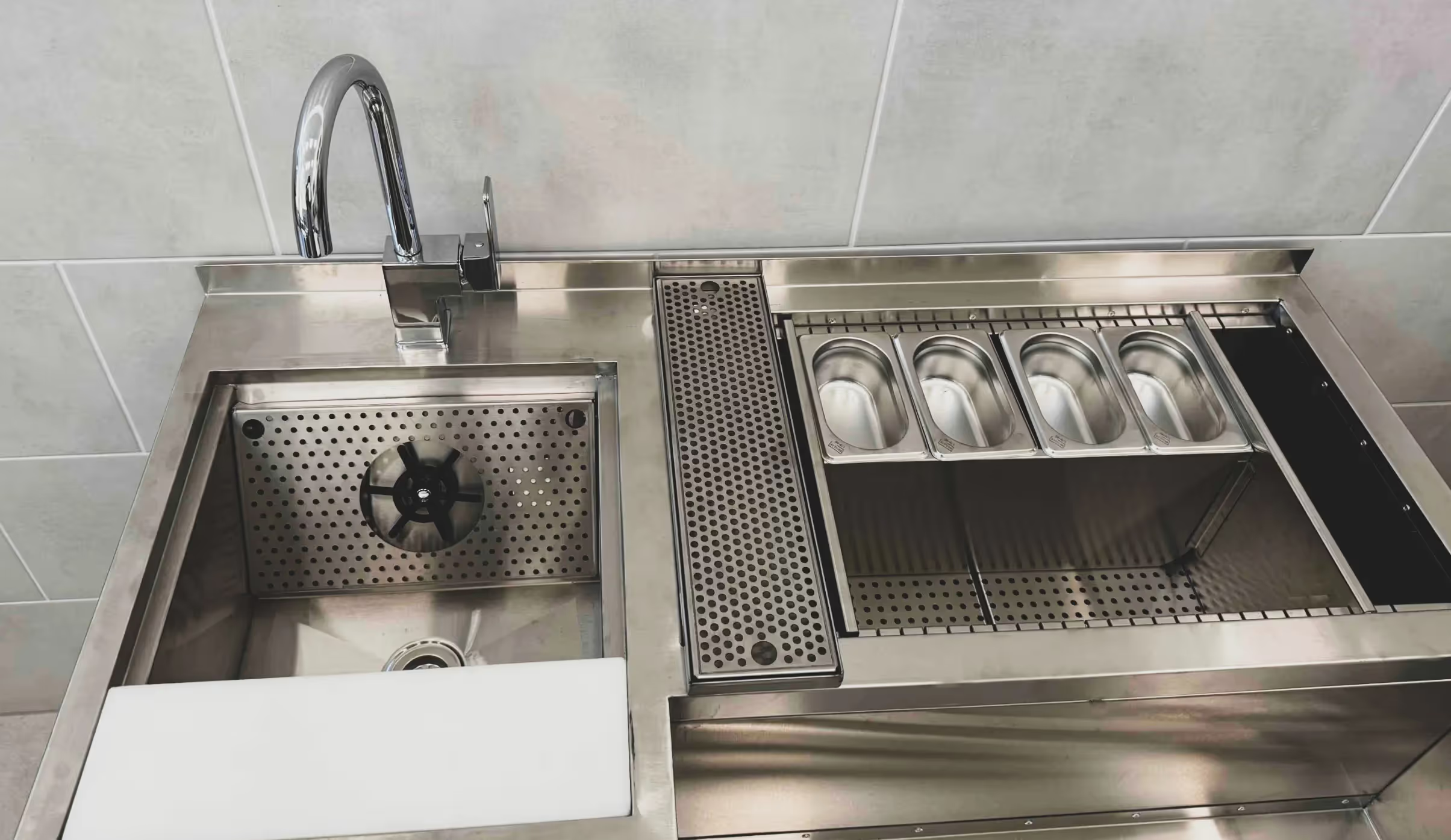
- supply of professional-grade kitchen and restaurant equipment for an on-campus training restaurant;
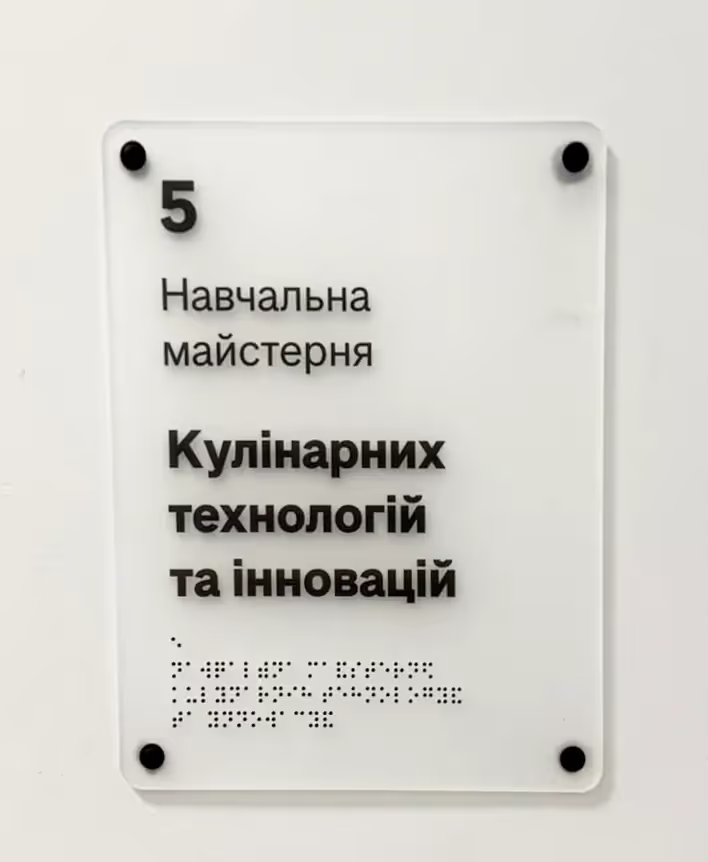
- full furnishing of laboratories and training spaces to function as real-world hospitality facilities.
By translating EU4Skills objectives into tangible infrastructure and hands-on training environments, UNOWA significantly strengthened the college’s capacity to prepare competitive specialists for the restaurant and hotel industry and increased the overall attractiveness of vocational education for young people in the region.
- Modern learning environment: The new facilities have transformed the Rivne Professional College of Restaurant and Hotel Business into a showcase of modern vocational education. Students now train in specialized labs and practice businesses (such as an operational mini-hotel and a training restaurant) that mirror real workplace conditions. This immersive environment enables students to gain practical experience in food production and hospitality management, bridging the gap between school and industry.
- Workforce relevance and new career paths: The modernisation directly responded to labor market needs by enabling new educational programs. Thanks to the improved infrastructure, the college launched two entirely new specializations – brewing technology and hotel service – which were previously unavailable in the region. Graduates in these fields will help meet the demand for skilled workers in Ukraine’s food and hospitality sectors. The college’s capacity to train 240 students, including adults seeking new skills, contributes to building a skilled workforce for the local economy.
- Strengthened industry collaboration: With its upgraded capabilities, the college has expanded partnerships with local businesses. Modern equipment and training standards attract collaboration with employers (in fact, the college’s partner network grew by 9 companies after the upgrade), leading to opportunities like internships, on-the-job training, and direct recruitment of graduates. This synergy between education and industry helps ensure that the curriculum remains aligned with real-world requirements and that students acquire competencies valued by employers.
- Resilience and European-quality standards: The investment elevates the college to European-quality standards, contributing to a resilient vocational education system in Ukraine’s post-conflict recovery context. Modern infrastructure – from energy-efficient buildings to accessible, well-equipped classrooms – provides a safe and forward-looking learning space. By adopting EU best practices in vocational training (through modern equipment, updated curricula, and emphasis on practical skills), the project supports Ukraine’s integration into the European educational landscape. This modernised college will continue to serve as a model for vocational schools nationwide, demonstrating how international support and local implementation can revitalize education to empower youth and bolster economic growth in the region.



Project partners



Resources