In 2026, a staggering $3.2 billion drop in Official Development Assistance (ODA) for education threatens to leave millions more children without access to learning, exacerbating inequalities and stalling progress toward universal quality education. These current global education funding shortfalls not only widen gaps in inclusive and STEM programs but also undermine efforts to build resilient educational systems worldwide. In this article, you'll discover the root causes of these shortfalls, their regional impacts, and innovative strategies to overcome them, all while learning how partners like UNOWA are stepping in to drive meaningful change.
You Will Learn
- The scale and underlying causes of current global education funding shortfalls in 2026.
- How these shortfalls disproportionately affect regions like the EU, MENA, and CIS, with a specific focus on inclusive and STEM education.
- Proven strategies and best practices for bridging funding deficits through innovative, adaptable solutions.
- Common pitfalls in education funding and key considerations for stakeholders aiming for long-term sustainability.
- Expert insights and compelling real-world examples from global projects that demonstrate effective interventions.
- Actionable steps to partner with organizations like UNOWA for sustainable educational transformation and empowerment.
Understanding the Scope of Current Global Education Funding Gaps
As we navigate 2026, the landscape of education financing reveals profound challenges that demand urgent attention. At the heart of these current global education funding shortfalls lies a significant decline in resources, with Official Development Assistance (ODA) projected to fall by $3.2 billion by year's end — a 24% drop from 2023 levels. This reduction risks pushing an additional 6 million children out of school, bringing the global total to 278 million. Such figures underscore a broader crisis: only 22% of countries are meeting essential benchmarks, like allocating at least 4% of GDP or 15% of public expenditure to education.
These shortfalls stem from a complex mix of factors, including donor fatigue, escalating economic pressures, and competing global priorities. Conflicts and humanitarian crises, for instance, divert crucial funds, often leaving education severely under-resourced. For example, funding for primary education has plummeted by a third in many areas, while humanitarian settings see up to 10% of national budgets eroded by emergency responses. The economic ripple effects are immense — affected children could face a collective loss of $164 billion in lifetime earnings due to diminished learning opportunities and reduced human capital development.
Moreover, the quality of education suffers dramatically. An estimated 290 million students are experiencing reduced educational standards, compounded by severe teacher shortages. Globally, only 78% of primary educators are qualified, a significant decline from 89% in 2013. This erosion of quality impacts everything from foundational literacy and numeracy to advanced STEM skills, hindering a nation's ability to innovate and compete in the global economy.
In regions we serve, such as the EU (including Bulgaria, Poland, and Latvia) and MENA (like Saudi Arabia and UAE), these current global education funding shortfalls manifest differently but share common threads of vulnerability. In the EU, indirect pressures from broader ODA cuts strain national budgets, impacting member states that rely on international support for educational development. In MENA, ongoing conflicts, political instability, and economic shifts amplify the need for targeted aid, particularly for displaced populations and girls' education. The CIS area, encompassing Kazakhstan and Uzbekistan, faces similar vulnerabilities, with funding declines hindering progress in foundational skills and digital literacy. At UNOWA, we've seen firsthand how these dynamics affect inclusive education, where programs for special needs (SEN) students are often the first to be cut, limiting access for the most vulnerable groups.
To add depth, consider the Sustainable Development Goal 4 (SDG 4), which aims for inclusive and equitable quality education by 2030. Yet, UNESCO reports an annual global deficit of $97 billion, stalling advancements in critical areas like digital literacy and STEM innovation. This isn't just about numbers; it's about real human impact and lost potential. In West and Central Africa, for example, 1.9 million more children risk being sidelined, while MENA could see 1.4 million affected. These statistics highlight the urgency for adaptive solutions that align with national standards, much like the comprehensive systems we design at UNOWA. Our approach focuses on empowering institutions and educators to build resilient, future-ready educational frameworks.
📌 Note: Education funding isn't isolated — it's intertwined with broader economic health. A 1% increase in education spending can yield up to a 2.5% boost in GDP growth over time, according to World Bank analyses. Investing in education is an investment in national prosperity and stability.
Regional Impacts and Challenges in Key Geographies
Diving deeper into 2026's education funding landscape, regional variations reveal how current global education funding shortfalls play out on the ground, particularly in areas like the EU, MENA, and CIS. These disparities underscore the need for tailored, context-specific interventions.
In the EU, countries such as Estonia, Lithuania, and Serbia grapple with ODA reductions that indirectly pressure domestic budgets. While EU-wide initiatives aim to bolster education, the $3.2 billion global drop means less international support for programs in emerging member states, leading to widened disparities in inclusive education. We've observed in projects across Poland and Bulgaria that funding gaps often result in under-resourced special education centers, where essential tools and specialized educators for students with diverse needs become scarce. This directly impacts the quality of inclusive education, a cornerstone of equitable societies. Furthermore, cuts can affect vocational training programs, limiting opportunities for youth to acquire in-demand skills.
Shifting to MENA, nations like Qatar and Oman face compounded challenges from humanitarian crises, internal conflicts, and ambitious economic diversification efforts. Here, the shortfall contributes to 1.4 million additional out-of-school children, with primary and girls' education programs hit hardest — cuts exceeding 50% in vital school feeding initiatives. This not only affects immediate access but also long-term STEM innovation, as foundational skills erode without sustained investment. In Saudi Arabia and the UAE, where rapid modernization is underway, these gaps threaten to undermine curriculum-aligned content and analytics tools essential for future-ready learning, potentially slowing progress towards their national development visions. The focus on digital transformation in education often clashes with the reality of insufficient funding for basic infrastructure and teacher training.
The CIS region, including Armenia, Moldova, and Kyrgyzstan, mirrors these issues with a focus on post-Soviet transitions and economic reforms. Funding declines exacerbate teacher shortages, particularly in STEM fields, and infrastructure deficits, making it harder to implement adaptable educational systems. In Georgia and Azerbaijan, for example, the emphasis on STEM and inclusive practices is at risk, with only a fraction of resources reaching rural or special needs populations. The lack of investment in modern teaching methodologies and digital resources further widens the gap between urban and rural educational outcomes. Across these geographies, the common thread is the threat to equity: inclusive education for SEN students and robust STEM programs suffer when budgets prioritize short-term fixes over long-term empowerment and human capital development.
Statistics paint a vivid picture of the human cost. In humanitarian contexts, such as Rohingya refugee camps, 350,000 children face permanent loss of access to education, heightening risks of exploitation, child labor, and trafficking. Globally, tertiary enrollment has doubled to 44% since 2000, but graduation rates lag at 27% due to persistent affordability barriers — only one-third of countries offer free public universities. These challenges highlight the urgent need for innovative, locally adaptable solutions. Our MIKKO inclusive education framework and Ulabs STEM tools at UNOWA have supported over 300 national projects in similar regions, demonstrating how tailored approaches can make a tangible difference even amidst severe funding constraints.
To compare regional impacts, here's a table summarizing key data from 2026 projections:
Region | Projected Out-of-School Increase | Primary Funding Cut (%) | Key Challenge |
|---|---|---|---|
EU (e.g., Latvia, Estonia) | Up to 500,000 indirectly | 15-20 | Inclusive SEN program strains, vocational gaps |
MENA (e.g., UAE, Qatar) | 1.4 million | 30-50 | Girls' and humanitarian education, digital divide |
CIS (e.g., Kazakhstan, Georgia) | 800,000 estimated | 20-25 | Teacher shortages in STEM, infrastructure deficits |
Global Average | 6 million | 33 | Overall quality decline, equity erosion |
This table, drawn from UNICEF and UNESCO data, illustrates the uneven burden and the critical role of targeted interventions in addressing current global education funding shortfalls.
💡 Tip: When assessing regional funding needs, prioritize data-driven analytics to identify high-impact areas, such as early childhood education, which offers the highest returns on investment in terms of cognitive development and future societal contributions.
Strategies to Bridge Education Funding Shortfalls
Addressing these current global education funding shortfalls requires forward-thinking strategies that empower institutions and educators to build resilient, equitable, and innovative educational systems. At UNOWA, with over 15 years of experience, we advocate for a multi-faceted approach that includes rebalancing ODA, investing in public systems, and integrating technology for equity. Here are actionable steps to implement these strategies effectively:
- Assess and Prioritize Needs with Precision: Conduct thorough, data-driven audits of national and regional education budgets to identify specific gaps, particularly in inclusive and STEM areas. Utilize advanced analytics platforms, like those offered by UNOWA, to map disparities in resource allocation, identify underserved populations, and pinpoint areas where investment will yield the highest impact. This granular understanding allows for strategic, rather than reactive, resource deployment.
- Advocate for Increased National Allocations: Push governments to meet the internationally recognized 4% GDP or 15-20% of public expenditure benchmarks for education. Highlight the compelling economic benefits, such as the potential $164 billion in lifetime earnings from an educated populace and the proven link between education spending and GDP growth. Engage actively with ministries of education, finance, and UNESCO project leaders to secure concrete commitments and integrate education funding into national development plans.
- Leverage Innovative Financing Mechanisms: Explore and implement diverse funding models beyond traditional ODA. This includes fostering robust public-private partnerships (PPPs) where private sector expertise and resources can complement public funding. Investigate impact investing, social impact bonds, and blended finance models that combine humanitarian aid with national budgets to sustain programs in crisis zones, as successfully demonstrated in various MENA initiatives. These mechanisms can unlock new capital and foster shared responsibility.
- Integrate Adaptable Technology and Comprehensive Training: Adopt scalable and adaptable educational systems like our MIKKO framework for inclusive education and Ulabs for STEM. These solutions are designed to align with local curricula and national standards, allowing for efficient scaling without massive upfront infrastructure costs. Crucially, pair technology integration with comprehensive teacher training programs. Empowering educators with the skills to utilize modern tools maximizes impact, improves pedagogical practices, and ensures technology serves as an enabler, not a barrier.
- Monitor, Evaluate, and Adapt Continuously: Implement robust, ongoing analytics and monitoring frameworks to track progress against key performance indicators. Regularly evaluate the effectiveness of funding strategies and educational interventions, adjusting approaches based on real-time data and emerging needs. This iterative process ensures resilience against future shortfalls and allows for agile responses to evolving educational landscapes.
These steps aren't theoretical; they've driven success in over 300 projects worldwide. In emerging markets, such as those in the CIS, combining these strategies with youth-led co-creation — leveraging AI for equitable access and personalized learning — can significantly close the $97 billion annual SDG 4 gap. Professional advice from experts emphasizes starting small: focus on early childhood and primary levels for compounded returns, as investments at these stages have the most profound long-term impact on individual development and societal progress.
For more on how we tailor these strategies to specific national contexts and empower educational transformation, visit UNOWA to explore our comprehensive solutions and case studies.
⚠️ Warning: Avoid over-reliance on short-term aid; without building local capacity, fostering sustainable infrastructure, and empowering local educators, funding shortfalls will recur, perpetuating cycles of inequity and dependency. True transformation requires long-term vision and investment in self-sufficiency.
Common Mistakes to Avoid in Education Funding
When tackling current global education funding shortfalls in 2026, several pitfalls can undermine even the best-intentioned efforts. Recognizing and actively avoiding these common mistakes is crucial for ensuring sustainable impact and maximizing every dollar invested.
- Short-Term Thinking and Project-Based Funding: A common error is focusing solely on short-term, project-specific funding cycles without integrating them into a broader, long-term national education strategy. This leads to fragmented initiatives, lack of continuity, and an inability to build systemic capacity. Sustainable change requires consistent, predictable funding that supports ongoing reforms and infrastructure development, not just isolated pilot projects.
- Neglecting Local Context and Stakeholder Buy-in: Imposing "one-size-fits-all" solutions without considering the unique cultural, economic, and political contexts of a region or country is a recipe for failure. Lack of meaningful engagement with local ministries, educators, parents, and community leaders can lead to resistance, poor implementation, and solutions that don't address actual needs. True empowerment comes from co-creation and ownership.
- Insufficient Investment in Teacher Development: Teachers are the backbone of any education system. A critical mistake is to invest heavily in infrastructure or technology without equally prioritizing the recruitment, training, professional development, and fair compensation of educators. Teacher shortages, low morale, and inadequate skills directly compromise educational quality, rendering other investments less effective.
- Lack of Data-Driven Decision Making: Without robust data collection, analysis, and monitoring systems, funding decisions can be arbitrary and inefficient. Failing to track student outcomes, resource utilization, and program effectiveness means missing opportunities to adapt strategies, identify successful interventions, and justify further investment. This also hinders accountability and transparency.
- Ignoring Inclusive Education and Vulnerable Groups: When budgets are tight, programs for special needs students, girls, refugees, or children in remote areas are often the first to be cut. This perpetuates inequality and undermines the very goal of universal quality education. A sustainable funding strategy must explicitly prioritize and ring-fence resources for inclusive education to ensure no child is left behind.
- Over-Reliance on External Funding: While ODA is crucial, an over-dependence on external donors without developing robust domestic funding mechanisms creates vulnerability. When donor priorities shift or global economic downturns occur, education systems face immediate crises. Diversifying funding sources and strengthening national budget allocations are essential for long-term resilience.
By actively addressing these potential pitfalls, stakeholders can ensure that efforts to bridge current global education funding shortfalls are not only effective in the short term but also contribute to building truly sustainable and equitable education systems for the future.
Expert Insights and Real-World Examples
Experts across the globe are sounding alarms and offering solutions to address current global education funding shortfalls. David Edwards, General Secretary of Education International, a global federation of education unions, states unequivocally: "With more than 273 million children out of school... governments must redouble efforts and fully fund free, quality, public education for all." This echoes the urgency in 2026's landscape and emphasizes the fundamental right to education.
A recent UNICEF analysis starkly warns: "Such a decline [in ODA] would push the number of out-of-school children... equivalent of emptying every primary school in Germany and Italy combined." These powerful quotes highlight the immense human scale of the crisis and the devastating impact on future generations.
In real-world examples, countries are finding innovative ways to mitigate these challenges. Côte d’Ivoire, for instance, faces 340,000 students at risk from 25% aid cuts, yet innovative partnerships have mitigated some impacts through targeted STEM labs. These labs, often supported by public-private collaborations, provide hands-on learning experiences that keep students engaged and equip them with critical skills despite broader funding constraints. Similarly, in Mali, 180,000 children are affected by conflict and funding shortfalls, but programs blending local curricula with inclusive digital tools — much like our UNOWA offerings — have sustained access and improved learning outcomes in challenging environments. These initiatives often leverage low-cost, adaptable technology to reach remote populations.
UNESCO's International Education Day in 2026 spotlighted youth co-creation amid the $97 billion deficit, showcasing successes in MENA where AI-driven platforms bridged gaps in personalized learning and teacher support. For example, in Jordan, a program utilizing AI to deliver tailored learning paths for Syrian refugee children demonstrated significant improvements in literacy and numeracy, proving that technology, when thoughtfully integrated, can be a powerful equalizer. These insights position organizations like ours as key players in transformation, demonstrating how expertise and innovative solutions can turn challenges into opportunities for growth and empowerment.
💡 Tip: Draw from expert campaigns like "Go Public! Fund Education" to build broad coalitions that amplify funding advocacy in your region. Collective action and a unified voice are powerful tools for influencing policy and securing greater investment in education.
FAQ
What are the main causes of current global education funding shortfalls in 2026? The primary drivers include a $3.2 billion ODA decline due to donor fatigue, escalating economic pressures, and competing global priorities like conflicts, leading to unmet benchmarks in public spending for education.
How do these current global education funding shortfalls impact inclusive education? They often lead to severe cuts in programs for Special Educational Needs (SEN) students, reducing access and increasing inequities. This is particularly evident in humanitarian settings where essential services like school feeding can drop by over 50%.
What role does STEM education play in addressing funding gaps? STEM innovation can drive efficiency and prepare students for future economies, but current global education funding shortfalls hinder foundational skills development. Solutions like UNOWA's Ulabs help by providing scalable, curriculum-aligned STEM tools that maximize impact with limited resources.
Are there regional differences in education funding challenges? Yes, significantly. MENA sees high impacts from crises (e.g., 1.4 million more out-of-school children), while the EU faces indirect strains on inclusive systems due to broader ODA cuts. The CIS region grapples with teacher shortages and infrastructure deficits.
How can governments meet education funding benchmarks and address current global education funding shortfalls? By prioritizing 4% GDP allocations, advocating through national and international campaigns, leveraging innovative financing, and partnering with experts like UNOWA for adaptable, data-driven solutions that build local capacity.
What innovative approaches can bridge these current global education funding shortfalls? Rebalancing aid towards least-developed countries, integrating AI equitably for personalized learning, fostering public-private partnerships, and using analytics for targeted investments, as demonstrated in over 300 global projects by UNOWA.
Ready to Bridge Education Funding Gaps?
If you're a ministry leader, educator, or institutional partner ready to address these current global education funding shortfalls and transform educational outcomes, let's collaborate on impactful solutions. At UNOWA, we're committed to empowering your efforts with inclusive systems like MIKKO, innovative STEM tools via Ulabs, and data-driven analytics tailored to your specific needs and national standards. Our 15 years of experience and proven track record in over 300 national projects position us as your trusted partner in building resilient, future-ready education for all. Sign up for a consultation today at UNOWA and join us in creating a brighter future through modern education.
For further reading:
- UNESCO's SDG 4 Report
- UNICEF Education Funding Analysis: Education Cannot Wait
- World Bank Education Overview
- Education International: Go Public! Fund Education Campaign
- Wikipedia on Education Financing

Check out other articles
Explore the latest perspectives from our digital research team
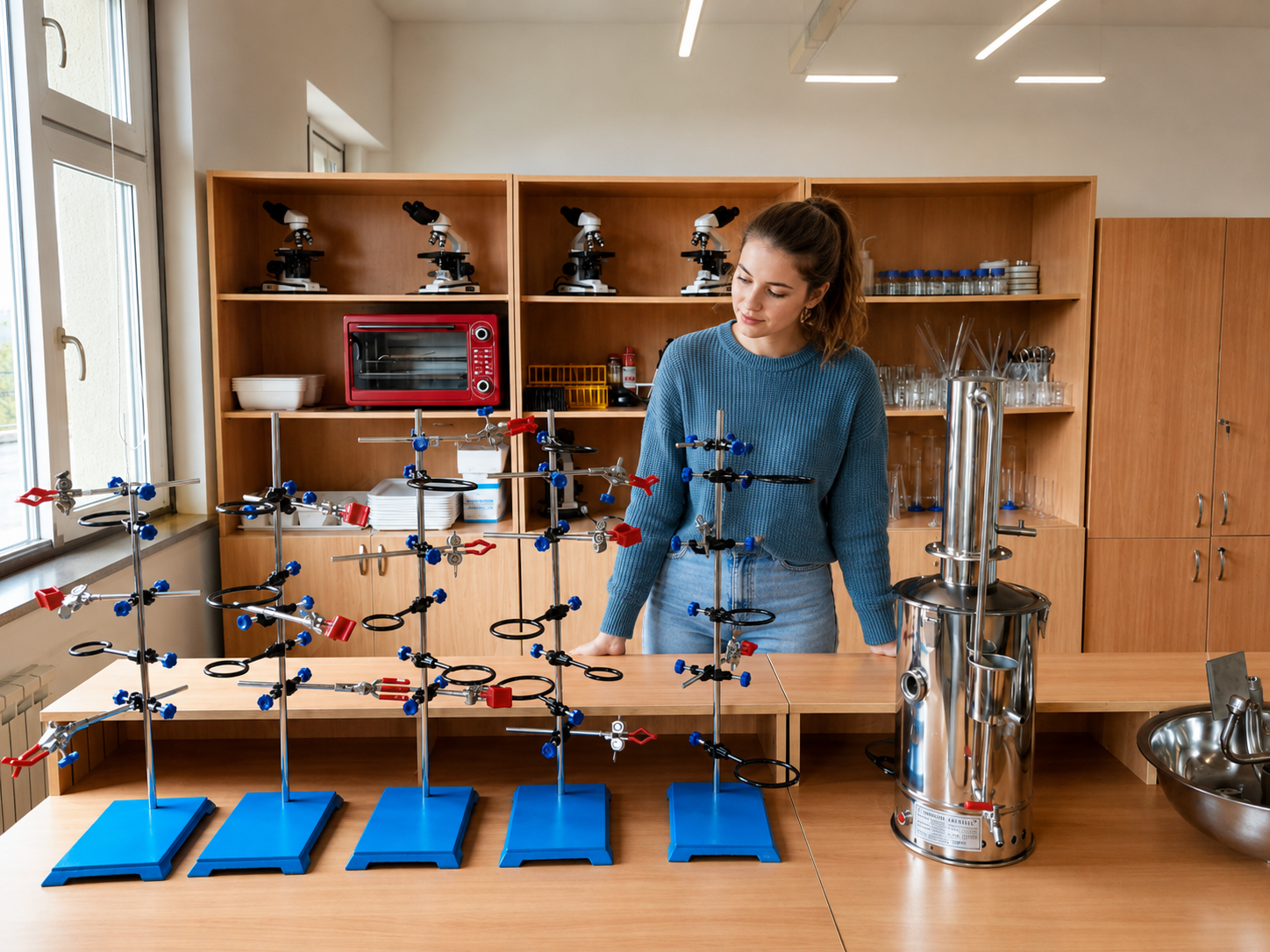
Equipping 439 schools: what a national STEM rollout actually takes
Armenia aims to equip every school with a science laboratory by the end of 2026. A look at the delivery layer of a 439-school rollout: seven laboratory configurations, 1.8 million items, 200+ localised teaching materials — and what ministries should ask suppliers.

Responsible AI in Education Starts Before the Algorithm
Responsible AI in education depends on knowing what your data actually represents. A UNOWA pilot study shows why measurement validity has to come before AI interpretation.
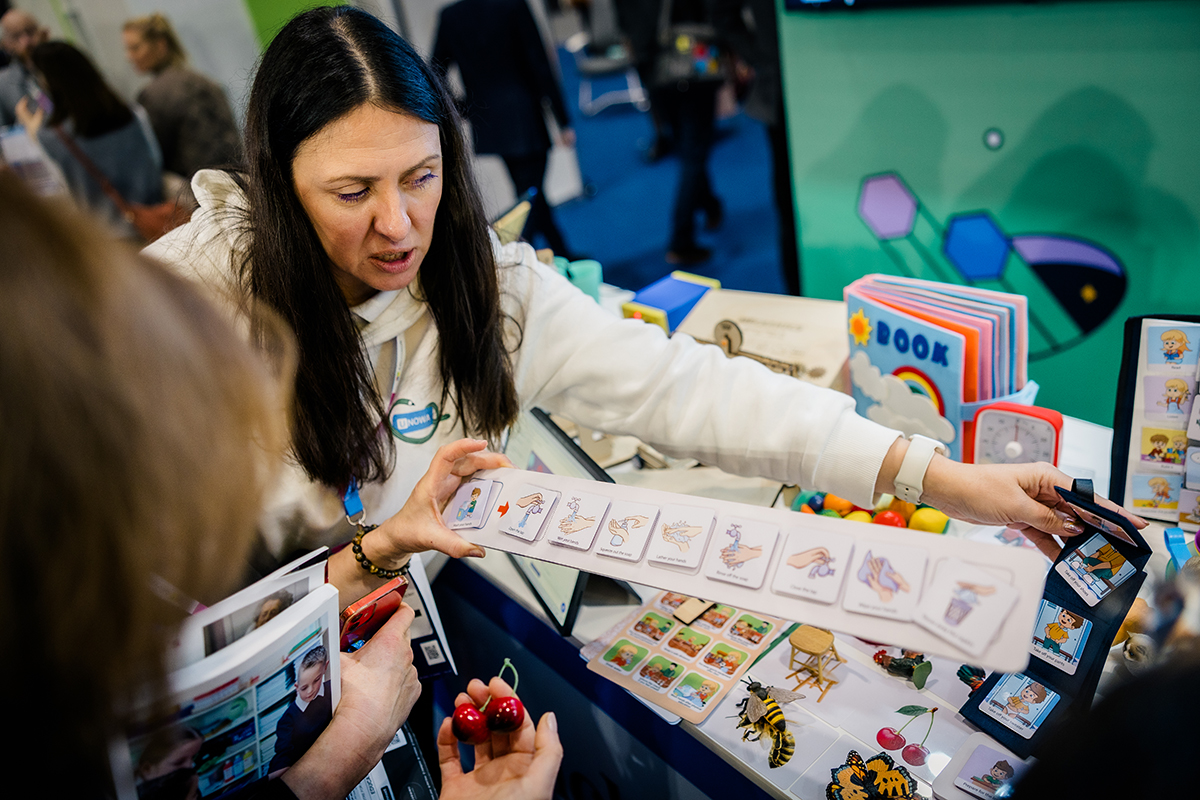
Differentiated Support in Inclusive Education: Why a Score Is Only the Start
Differentiated support in inclusive education starts where scoring ends. Here's why assessment should answer "what's getting in the way," not just "what's wrong."